
- Tier 1 Rating: Gallopade is the only publisher to achieve the highest rating across all K-6 grades in Alabama's rigorous review process.
- 2024 Course of Study: Alabama's updated social studies standards emphasize local history, civics, and civil rights education, with expanded coverage across multiple grades.
- 23-Member Committee: A state textbook committee of educators and appointees conducted the evaluation, ensuring alignment with state standards.
Experts would likely conclude that Gallopade's Tier 1 rating reflects its successful alignment with Alabama's demanding new social studies standards, setting a high benchmark for localized, comprehensive K-6 curriculum development.
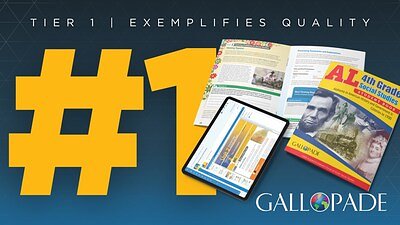
Gallopade Earns Sole Top Rating for New Alabama Social Studies Texts
MONTGOMERY, AL – March 13, 2026 – In a significant decision impacting elementary education across the state, the Alabama Board of Education has awarded Atlanta-based publisher Gallopade International a Tier 1 rating for its K-6 Social Studies curriculum. The announcement makes Gallopade the only company to achieve the highest possible rating across all elementary grades in a rigorous and competitive review process.
The approval follows months of evaluation by a state committee of educators and public appointees. Their task was to vet instructional materials against the state's demanding new 2024 Alabama Social Studies Course of Study, which places a renewed emphasis on local history, civics, and civil rights education.
"We are thrilled to receive this distinguished recognition," said Michael Longmeyer, CEO of Gallopade, in a statement. "Achieving Tier 1 status across all elementary grades reflects countless hours of collaboration with educators to ensure our materials meet Alabama's unique educational needs."
A New Standard for Alabama Classrooms
Gallopade's top score is a direct reflection of its alignment with Alabama's ambitious new educational framework. The 2024 Course of Study, the first major update in over a decade, was designed to provide students with a deeper and more nuanced understanding of their state and nation. The new standards are set to be implemented in classrooms for the 2026-27 school year.
Key changes that publishers had to address include a significant expansion of Alabama history, which is now spread across third, fourth, and fifth grades rather than being concentrated in a single year. This expanded curriculum includes more comprehensive instruction on Indigenous history, the state's role in pivotal national events, and the long struggle for civil rights.
Furthermore, the new standards bolster civics education, introducing foundational concepts in sixth grade and building upon them through middle school. The framework also received praise for its thoughtful inclusion of Holocaust education in an age-appropriate manner, beginning in elementary school and expanding in later grades, making Alabama's standards on the topic among the strongest in the nation.
For publishers, meeting these multifaceted requirements meant going beyond generic national templates. Gallopade's success indicates it effectively built its curriculum from the ground up to match the specific DNA of Alabama's new educational goals.
Navigating a Competitive and Contentious Process
The path to adoption was not without its challenges, making Gallopade's clean sweep all the more notable. The State Board of Education had previously delayed its vote on the new textbooks, which was originally scheduled for late 2025. The delay stemmed from concerns raised by some board members about the content of various submissions and perceived gaps in the review process.
The state's textbook review is a formal, multi-layered procedure. A 23-member State Textbook Committee, composed of teachers, administrators, and gubernatorial appointees, conducts the initial evaluation. Their recommendations are then presented to the State Board of Education for a final vote, with periods for public inspection and comment.
This meticulous process is designed to ensure that materials purchased with state funds are high-quality and strictly aligned with state standards. The fact that Gallopade emerged as the only publisher to secure a Tier 1 rating for every K-6 grade level suggests that other competitors fell short of the high bar set by the new Course of Study. This distinction provides Gallopade a significant competitive advantage in the Alabama education market, as local districts are strongly incentivized to use state-approved funds on materials from the top-rated list.
Beyond the Textbook: Digital Innovation Drives Engagement
Gallopade's success is not merely about printed words on a page. A key factor in its top rating is the seamless integration of traditional learning materials with a robust digital platform, designed to engage a new generation of students and support teachers.
The company's curriculum package features a comprehensive online portal known as "GO! - Gallopade Online." This platform provides teachers with a wealth of resources, including interactive "Clickbooks," primary and secondary source materials to foster critical thinking, and tools for differentiated instruction. Features like auto-graded assignments help teachers quickly assess student understanding and dedicate more time to instructional planning.
This blend of print and digital resources is particularly well-suited to meet the demands of modern classrooms. It also directly supports the requirements of the Alabama Literacy Act by embedding reading comprehension, vocabulary development, and evidence-based writing within the social studies content. By offering a dynamic and interactive experience, the curriculum aims to make history and civics more tangible and relevant to young learners.
"More than just providing a textbook, we collaborate with administrators, teachers, and parents to ensure they have the tools needed to support student success," Longmeyer explained. His vision for the curriculum extends beyond simple knowledge retention. "We don't just want students to love Social Studies," he added, "but to foster a passion for lifelong learning."
A National Trend Toward Localized Learning
Alabama's push for a more state-centric curriculum is part of a broader national trend. Across the country, states are increasingly revising their educational standards to place greater emphasis on local history, government, and cultural identity. This shift presents both a challenge and an opportunity for educational publishers, who have historically favored more generalized, one-size-fits-all products.
Companies that can adapt and develop high-quality, state-specific content are poised to succeed in this evolving marketplace. Gallopade, with its 46-year history of producing state-aligned materials, has built its business model around this specialized approach. Its success in Alabama serves as a powerful case study in how to meet the growing demand for curricula that reflect local values and educational priorities.
As Alabama school districts prepare to implement the new materials, the impact of this decision will soon be felt in classrooms. The selection of a curriculum so closely tailored to the state's own history and civic life represents a significant investment in shaping informed and engaged young citizens.