
- 20 million hits to Coinbase's landing page in one minute from the 2022 QR code ad
- 52 million Americans have used crypto (per Coinbase's claim, supported by Chainalysis and Statista reports)
Experts view Coinbase's shift from direct-response advertising to a community-focused, cultural campaign as a strategic evolution, though they caution that normalizing crypto through entertainment may oversimplify its risks and complexities.
From QR Code to Karaoke: Coinbase Sings a New Tune for the Super Bowl
SANTA CLARA, CA – February 09, 2026
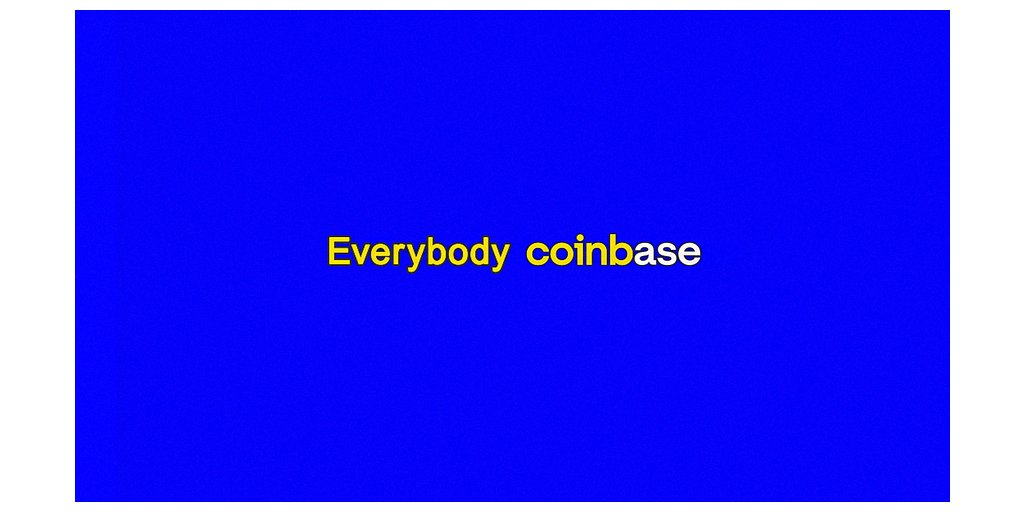
Four years after a simple, bouncing QR code captivated millions, crashed its app, and became the unexpected star of Super Bowl LVI, Coinbase is returning to advertising’s biggest stage. But this time, the cryptocurrency giant is trading its minimalist, direct-response playbook for a full-throated, karaoke-style sing-along. The new 60-second spot, titled “Everybody Coinbase,” aims to unite viewers in a shared musical moment, set to the tune of the Backstreet Boys' iconic hit, “Everybody (Backstreet’s Back).”
The strategic pivot is stark. Where the 2022 ad was a quiet, mysterious, and wildly effective lure for new users, the 2026 version is a loud, communal, and ambitious play for cultural normalization. It represents a significant evolution in how one of crypto’s biggest players sees its role in the market—moving beyond mere user acquisition to the far more complex task of winning mainstream hearts and minds. The move raises a critical question: in a landscape still marked by volatility and regulatory uncertainty, can a catchy pop song truly make crypto feel like it’s for “everybody?”
A Shift from Clicks to Community
The 2022 “QR Code” ad is now the stuff of marketing legend. Its genius was its simplicity and clear call to action, which drove an unprecedented 20 million hits to its landing page in a single minute. It was a campaign measured in clicks, sign-ups, and a quantifiable, immediate return on investment. The 2026 “Everybody Coinbase” ad, by contrast, is designed to be measured in something far more intangible: sentiment and shared experience.
“We didn’t buy an ad — we bought a vibe,” said Catherine Ferdon, Chief Marketing Officer of Coinbase, in a press release. “Crypto is literally for everybody, and we’re excited to use this moment to bring people together for a shared experience.”
This shift from a transactional to a relational approach reflects a broader maturation within the crypto industry, which is still working to rebuild trust after the so-called “crypto winter” of 2022-2023. Instead of a direct prompt to download or invest, the new ad invites viewers to participate in a cultural moment. By turning millions of television screens into karaoke machines, Coinbase and its creative partner, Isle of Any, are betting that fostering a sense of community and fun is now more valuable than generating a momentary spike in web traffic.
“We loved the idea of turning every screen in the country into karaoke, with 150M people inadvertently singing along to Coinbase and our message,” noted Toby Treyer-Evans, Co-Founder of Isle of Any. The strategy is to embed the brand into a feel-good, nostalgic experience, subtly positioning crypto not as a complex financial asset, but as a part of modern culture.
The 'Everybody' Fallacy?
The central message of the campaign is one of radical inclusivity. The claim that “52 million Americans have used crypto,” as cited by Ferdon, is broadly consistent with recent industry reports from firms like Chainalysis and Statista, which place the number of U.S. adults who have owned or traded crypto at over 50 million. This data suggests a significant and growing user base that cuts across demographics.
However, consumer protection advocates argue that such a celebratory, mainstream message can dangerously obscure the real-world risks and complexities inherent in the cryptocurrency ecosystem. While a karaoke ad makes crypto feel accessible, it does little to educate a mass audience about market volatility, the technical hurdles of self-custody, or the persistent threats of scams and fraud. The concern is that normalizing a high-risk asset class through catchy advertising could encourage unprepared individuals to invest without understanding the potential for significant financial loss.
This tension between accessibility and responsibility is the central challenge for crypto marketers today. While making platforms more user-friendly is a laudable goal, critics contend that true accessibility requires deep financial literacy, not just a lower barrier to entry. A fun commercial may bring people to the door, but it doesn't equip them to navigate the often-treacherous rooms inside.
Navigating a New Regulatory Field
Coinbase’s confident return to the Super Bowl stage is also a testament to the industry’s renewed optimism. The ad spend signals a departure from the more cautious marketing strategies seen in the immediate aftermath of the market downturn. Yet, the field of play has changed dramatically since 2022. The freewheeling “crypto bowl” era, where multiple exchanges vied for attention with bold claims, is over.
Today, the industry operates under the watchful eyes of multiple regulatory bodies. The Securities and Exchange Commission (SEC), the Commodity Futures Trading Commission (CFTC), and the Federal Trade Commission (FTC) have all intensified their scrutiny of the crypto space, with a particular focus on marketing and consumer protection. High-profile advertising campaigns are no longer just evaluated by their creativity but are meticulously analyzed for compliance, risk disclosure, and the potential to mislead consumers.
This new reality forces companies like Coinbase to thread a delicate needle: creating an ad that is engaging and optimistic enough to attract a mainstream audience, yet cautious enough to avoid regulatory ire. The “Everybody Coinbase” ad, with its focus on community rather than financial returns, appears carefully crafted to navigate this new environment. It sells a feeling, not a financial product, a strategy that may prove more resilient under regulatory examination.
As the campaign rolls out with additional takeovers on the Las Vegas Sphere and in New York’s Times Square, its long-term impact will be closely watched. The success of this multi-million dollar bet will not be determined by a one-night surge in app downloads, but by whether it can successfully shift the public conversation around crypto toward one of community and cultural integration. Whether this sing-along can harmonize the competing interests of growth, regulation, and consumer safety remains the central question for the industry's future.