
- 130-acre historic shipyard transformed into a sustainable industrial hub
- 16 feet site elevation raised to protect against flood surges
- 200 businesses now operating at Kearny Point, including tech startups and artists
Experts would likely conclude that Meyer's leadership and Hugo Neu's strategic focus on sustainability position Kearny Point as a model for adaptive reuse of industrial land, balancing economic growth with environmental and social responsibility.
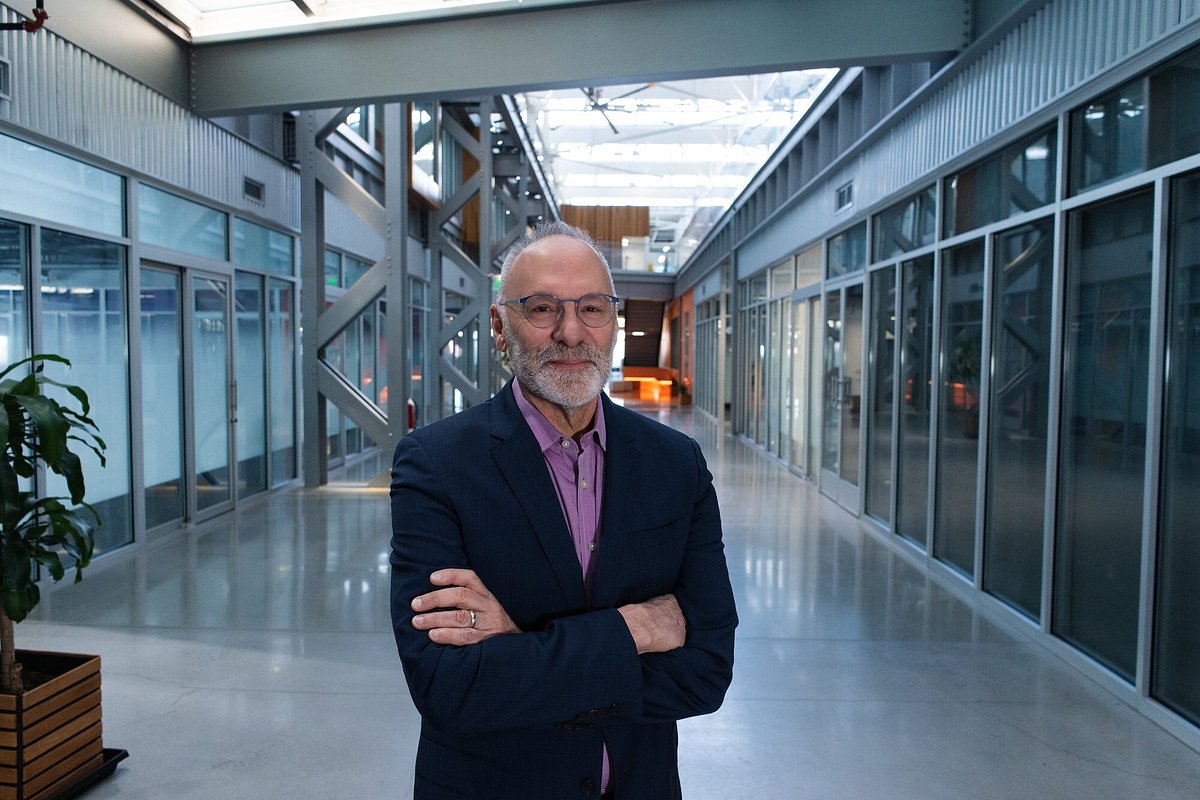
From Public Service to Green Real Estate: Meyer to Lead Kearny Point
KEARNY, NJ – February 11, 2026 – Hugo Neu Corporation has appointed veteran urban revitalization expert Michael Meyer as the new President of Hugo Neu Realty Management, placing him at the helm of its flagship project, Kearny Point. The move signals a strategic doubling-down on the company's vision to transform the 130-acre historic shipyard into a national model for sustainable, community-focused industrial development.
Meyer, who previously served as Director of Development for the project, will now have full strategic and operational authority over the sprawling campus. His appointment comes at a pivotal moment for Kearny Point, as it continues its ambitious evolution from a relic of 20th-century shipbuilding into a 21st-century innovation hub.
A Public Service Ethos in Private Development
Meyer’s career is a unique blend of high-stakes public sector leadership and private real estate acumen, a combination that Hugo Neu is betting will accelerate Kearny Point’s trajectory. His extensive background is not in traditional industrial real estate but in the complex world of urban revitalization, where economic growth is inextricably linked with social equity and community well-being.
Before joining Hugo Neu, Meyer was a key architect of urban renewal in two of America’s most challenging real estate markets. As Director of Housing and Real Estate for the City of Newark, he helped steer a development pipeline valued at over $2 billion. During his tenure, the city reportedly tripled its rate of new affordable housing production, a critical achievement in a region grappling with housing affordability. His work involved orchestrating public-private partnerships and managing public lending to catalyze projects that reshaped the city's landscape.
Earlier, from 2002 to 2006, Meyer tackled Silicon Valley's affordability crisis as Assistant Director of Housing for the City of San Jose. There, he spearheaded a $400 million housing investment program that led to the creation of over 11,000 new affordable units. Notably, he was instrumental in launching a nationally recognized Teacher Homebuyer Program, which provided over $30 million in assistance to help more than 560 educators afford homes in the notoriously expensive area.
This deep-seated experience in using real estate as a tool for public good is precisely what Hugo Neu is leveraging. “Mike brings a rare combination of development expertise, public-sector leadership, and a deep understanding of how real estate can serve the broader public good,” said Peter Kelman, CEO & President of Hugo Neu Corporation. “His vision and experience make him uniquely qualified to lead Hugo Neu Realty Management into its next phase of growth.”
The "Greenprint" for Industrial Renewal
Under Meyer’s leadership, Kearny Point is positioned to become more than just a collection of warehouses and offices; it is being meticulously crafted as a "greenprint" for the adaptive reuse of industrial land. The project stands as a direct response to the twin challenges of climate change and economic evolution, transforming a once-contaminated site along the Hackensack River into a resilient and regenerative campus.
The scale of the environmental engineering is formidable. The entire site's elevation has been raised to 16 feet, a full four feet above FEMA's flood requirements, creating a bulwark against future storm surges. This defense is complemented by green infrastructure, including a planned living shoreline, bioretention rain gardens to manage stormwater, and blue roofs that capture and reuse rainwater. These features make Kearny Point a "learning laboratory" for urban ecology and climate resilience.
Sustainability is also hardwired into the buildings themselves. The renovated structures are Energy Star-certified, and the campus already boasts nearly 1 MW of installed solar power, with ambitious plans to eventually achieve a net-zero energy impact. This commitment is attracting a new generation of tenants, with over 200 businesses—from tech startups and food manufacturers to film production companies and artists—now calling the campus home. The recently completed "Annex" building, with its 200 private offices, successfully tapped into post-pandemic demand for controlled, flexible workspaces.
Strategically located within New Jersey's Urban Enterprise Zone (UEZ) and Foreign-Trade Zone 49, the campus offers significant financial incentives. This, combined with a subsidized Uber program connecting workers to transit hubs, makes it a competitive alternative to pricier markets in New York City and Jersey City, just a few miles away.
Sustainability as a Strategic Cornerstone
Meyer's appointment is not merely a leadership change but a powerful affirmation of Hugo Neu Corporation's core identity. For decades, the diversified company has woven environmental, social, and economic sustainability into its business model, long before ESG became a mainstream corporate buzzword. The company's history spans from being one of the nation's largest scrap metal recyclers to a value-added developer of over 9 million square feet of industrial property.
Kearny Point is the ultimate expression of this philosophy. The project actively supports the 17 United Nations Sustainable Development Goals, aiming to create not just buildings, but a holistic ecosystem that promotes equitable growth, provides living-wage jobs, and improves the quality of life for the surrounding community. This is evidenced by a tenant mix where an estimated 50% of businesses in some buildings are women- or minority-owned.
This strategy aligns perfectly with powerful market trends. In the New Jersey industrial market, a "flight to quality" is underway, with tenants increasingly seeking modern, efficient, and sustainable facilities. As investors and tenants alike place a higher premium on ESG criteria, developments like Kearny Point are moving from a niche category to a market-leading position. Hugo Neu's investment in green infrastructure and community well-being is not just a moral imperative but a calculated business strategy that enhances long-term asset value and attracts high-quality tenants.
With Meyer at the helm, the expectation is that this integration of purpose and profit will deepen. His track record suggests a focus on forging partnerships—with tenants, local government, and community groups—to ensure the project's benefits are widely distributed. As the campus continues to develop its planned 2.5 million square feet of commercial space, promising nearly 10,000 jobs upon completion, Meyer’s leadership will be crucial in navigating the complex interplay of economic development, environmental stewardship, and social responsibility that defines this groundbreaking project.