
- 200th Anniversary: Mount Pleasant Group (MPG) celebrates its 200th anniversary by introducing goats and beehives to manage cemetery lands sustainably.
- 50 Goats Deployed: A herd of 50 goats will graze invasive plants in two Toronto-area cemeteries, reducing reliance on chemical herbicides.
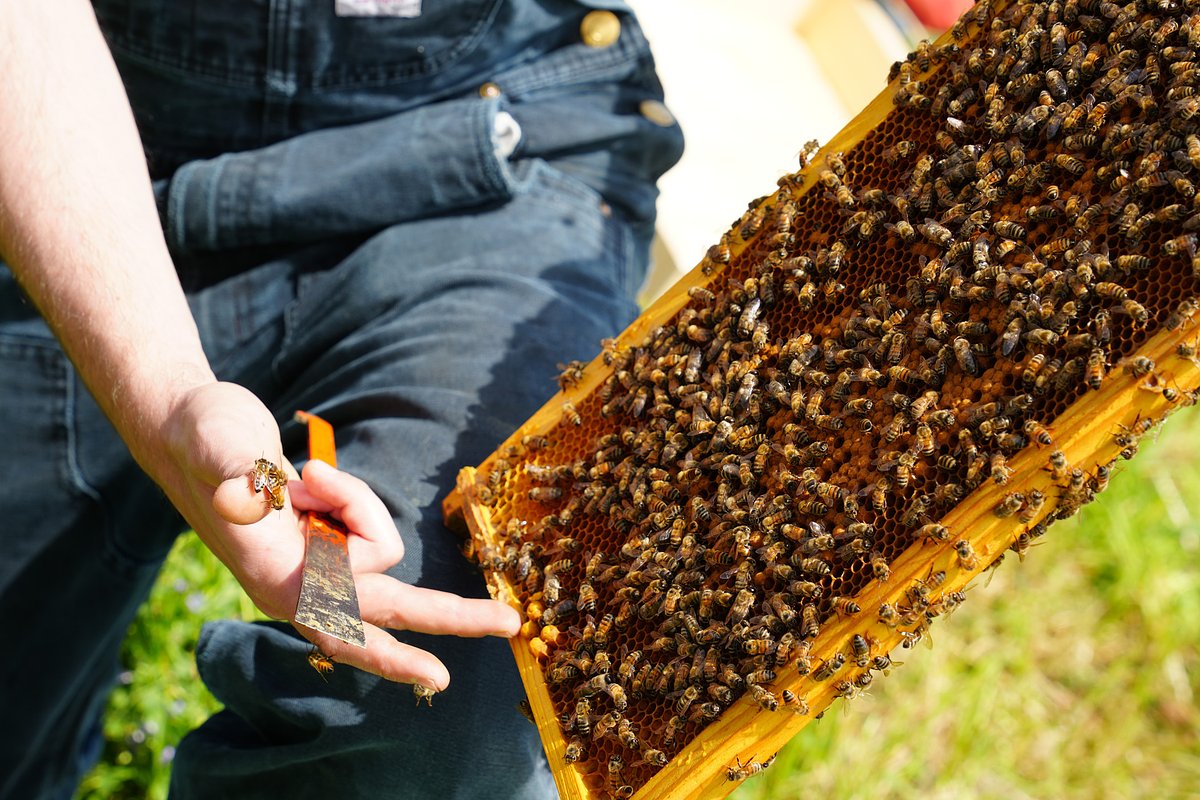
- 4 Beehive Sites: Beehives installed at four cemeteries to support local pollinator populations and urban biodiversity.
Experts would likely conclude that Toronto's cemeteries are setting a precedent for sustainable land management, blending ecological restoration with heritage preservation through innovative, nature-based solutions.
From Goats to Beehives: How Toronto's Cemeteries Are Becoming Green Sanctuaries
TORONTO, ON – June 15, 2026 – In the quiet, manicured landscapes where Toronto remembers its dead, a new kind of life is taking root. Mount Pleasant Group (MPG), a non-profit organization that has served the region since 1826, is celebrating its 200th anniversary not just by looking back, but by reimagining its grounds as living ecosystems. This summer, its newest groundskeepers will arrive on four legs and with wings: a herd of goats and colonies of honeybees are being deployed to manage the land, control invasive species, and support local biodiversity.
Beginning June 18, a flock of about 50 goats will be introduced to the natural burial sections of Meadowvale Cemetery in Brampton and Duffin Meadows Cemetery in Pickering. This initiative, a partnership with the Canadian company Goats in the City, represents a significant shift from gas-powered mowers and chemical herbicides to a more ancient, sustainable form of land management. It’s a move that challenges our perception of cemeteries as static memorials, recasting them as dynamic, ecologically valuable green spaces.
A New Breed of Landscaper
The goat grazing program is more than a novel photo opportunity. Supervised by a dedicated eco-shepherd, the herd will be contained within fenced areas for two-day periods, returning in the fall for a second round of intensive grazing. Their mission is to tackle invasive plants and overgrowth, a task they are naturally equipped for. Goats are known to preferentially graze on tough weeds and woody plants that other animals ignore, effectively clearing land without the need for synthetic pesticides or fossil fuels. Their work also naturally fertilizes the soil with nutrient-rich manure, promoting the growth of native vegetation.
This initiative is part of a broader environmental strategy for MPG. “As we mark 200 years, we continue to consider what it means to care for these spaces in perpetuity, and not only as places of remembrance, but as living landscapes,” said John Perrotta, MPG’s Director of Property Services. “From goat grazing to beekeeping, we’re excited to take on approaches that restore balance, support biodiversity, and ensure our grounds remain vibrant, sustainable environments for generations to come.”
Complementing the terrestrial efforts of the goats are thousands of new airborne workers. In partnership with The Beekeeper Dan, MPG has installed beehives at four of its sites: Meadowvale, Duffin Meadows, Pine Hills Cemetery in Scarborough, and Prospect Cemetery in Toronto. These hives are intended to bolster local pollinator populations, which are critical for the health of urban and wild flora. The diverse array of flowers and trees in cemeteries, coupled with relatively low human disturbance, makes them ideal havens for bees.
The Growing Trend of Green Final Resting Places
While deploying livestock in a cemetery might seem radical, MPG is joining a growing international movement. Cemeteries from Milwaukee to Melbourne are increasingly adopting eco-friendly practices as part of a broader shift toward green burials and sustainable operations. The use of “goat-scaping” has proven effective in other historic cemeteries, where the animals can navigate difficult terrain and clear dense vegetation around fragile monuments far more gently and cost-effectively than heavy machinery.
In Milwaukee, for example, the historic Forest Home Cemetery successfully used goats to clear invasive vines and has been home to millions of bees for nearly a decade, even selling its own “Silent City Honey.” These projects demonstrate that environmental stewardship and heritage preservation can go hand-in-hand. By embracing these methods, cemeteries are not only reducing their carbon footprint but also creating new revenue streams and powerful community engagement tools.
Experts in sustainable land management note that these practices are particularly well-suited for the unique challenges of cemetery care. “Using goats allows you to manage invasive species in sensitive areas where you couldn’t or wouldn’t want to use herbicides,” one ecologist explained. “It’s about working with nature’s own systems to restore balance.” This approach aligns perfectly with the philosophy of natural burial areas, which are designed to allow for decomposition with minimal environmental impact, letting the landscape evolve as a living memorial.
Cultivating Community Among the Headstones
Beyond the ecological benefits, MPG’s initiatives are designed to foster a new relationship between the public and its properties. The beehive program is not just about pollination; it's about education. The organization plans to host workshops with The Beekeeper Dan, offering community members a hands-on opportunity to learn about urban agriculture and the vital role of pollinators. The honey harvested later this year, branded with a commemorative 200th-anniversary logo, will serve as a tangible and sweet reminder of the project.
This focus on public engagement is a cornerstone of the bicentennial celebration. The organization has also launched the '200 Stories Project,' a digital initiative highlighting the diverse histories of individuals interred in its cemeteries, and is rolling out immersive on-site art installations. Together, these efforts transform the cemeteries from passive sites of mourning into active centers for learning, history, and nature appreciation. Public reaction to similar projects elsewhere has been overwhelmingly positive, with the novelty of goats and bees drawing in school groups and curious residents, turning a maintenance task into a celebrated community event.
As a non-profit organization, MPG is uniquely positioned to undertake such long-term, value-driven projects. All of its revenues are reinvested into the care and innovation of its properties. This financial structure, backed by a substantial Care and Maintenance Fund designated for perpetual upkeep, allows the organization to pioneer initiatives that prioritize ecological health and community benefit over short-term profit. As MPG enters its third century, the bleating of goats and the buzz of bees signal a profound evolution, demonstrating how spaces dedicated to the past can play a vital role in cultivating a sustainable future.