
- Global Exhibition Debut: PANECO will exhibit at EuroShop 2026 in Düsseldorf, Germany, targeting international expansion.
- Circular Material Process: The company's patent-pending method transforms textile waste into durable recycled boards, enabling a closed-loop system.
- Strategic Partnerships: PANECO seeks overseas sales and business partners to scale its circular economy model.
Experts would likely conclude that PANECO's innovative approach to textile waste recycling represents a scalable, commercially viable solution for sustainable building materials, addressing both environmental and industry demands.
From Fabric Waste to Façades: PANECO's Push for Circular Design
TOKYO, Japan – February 09, 2026 – A tide of discarded textiles, from fast fashion to industrial scraps, presents a colossal environmental challenge. A Tokyo-based firm, however, sees not waste, but opportunity. WORKSTUDIO Co., Ltd., through its innovative PANECO® platform, is transforming this waste stream into high-quality, sustainable building materials, and it is now preparing to take its vision to the global stage.
The company has announced its plan to exhibit at EuroShop 2026, the world's leading retail trade fair held in Düsseldorf, Germany. The move signals a strategic pivot from a Japanese innovator to a global player, as PANECO actively seeks international sales and business partners to help scale its circular economy model. This initiative comes at a critical time, as industries from retail to construction are under immense pressure to adopt genuinely sustainable practices that are both environmentally responsible and commercially viable.
The Science of Second Chances
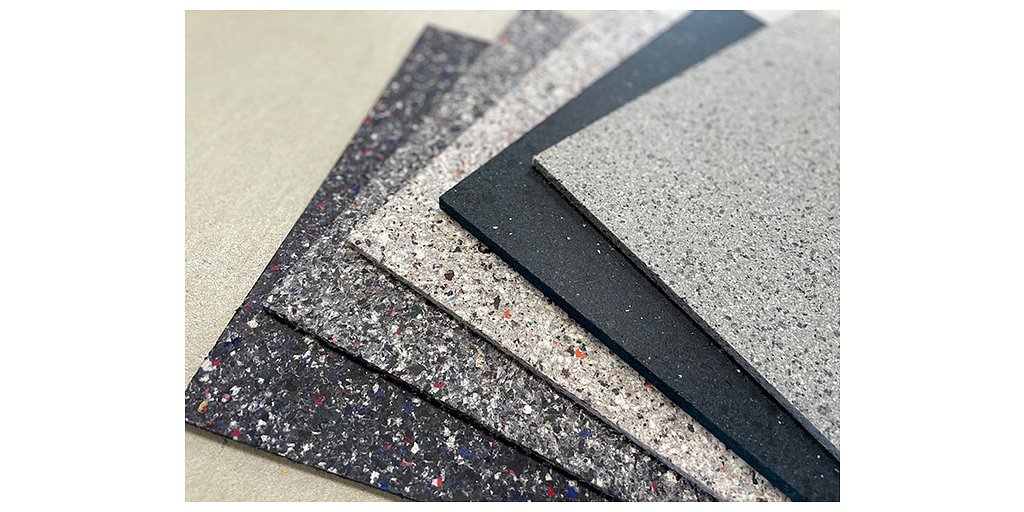
At the heart of PANECO's mission is a unique, patent-pending material recycling method. This proprietary process is engineered to tackle a persistent problem in the recycling world: the effective reuse of textile fibers, which are notoriously difficult to process through conventional means. The system takes discarded clothing and textile waste, shreds it, and presses it into durable, high-quality recycled boards.
These are not simply rough, utilitarian panels. The company emphasizes that its materials are designed for sophisticated, real-world applications. From the interior walls of a flagship retail store to bespoke furniture, fixtures, and architectural elements, PANECO boards are engineered to offer both "design flexibility and operational practicality." This allows architects and designers to specify a green material without compromising on aesthetic quality or structural integrity.
Furthermore, the platform is built on a vision of a true closed-loop system. The intended lifecycle, described as a "material circulation process," involves the collection and re-shredding of used PANECO products to create new boards. This "textile waste - shredding - board production - product use - collection - re-shredding" cycle represents a significant step toward a perpetual material flow, drastically reducing the demand for virgin resources and the burden on landfills.
Beyond Greenwashing: A Blueprint for Scalable Sustainability
In a market saturated with environmental claims, PANECO is positioning itself as a solution to "greenwashing" by focusing on a critical, often overlooked, element: scalability. Many sustainable initiatives remain in the pilot stage, unable to meet the rigorous demands of global supply chains. PANECO aims to overcome this hurdle by designing its entire operation as a "material platform with future scalability in mind."
This platform architecture is built to deliver what large-scale commercial clients require most: consistency and reliability. By focusing on "stable supply, standardized specifications, and long-term market deployment," the company intends to move circular materials from niche projects into the mainstream. Procurement managers for multinational retail chains or large construction firms need assurance that a specified material will be available in the required quantity, meet consistent quality standards, and be supported for years to come—a promise that many smaller, eco-focused startups struggle to fulfill.
This emphasis on commercial viability is what sets the initiative apart. The goal is to make sustainable choices the easy and logical choices for businesses. By proving that materials derived from textile waste can be dependable, aesthetically pleasing, and available at scale, PANECO is building a business case for sustainability that extends far beyond corporate social responsibility reports and into the core of commercial operations.
EuroShop 2026: A Global Stage for a Circular Vision
The decision to exhibit at EuroShop 2026 is a calculated and strategic move. The Düsseldorf-based trade fair is a global epicenter for the retail industry, attracting designers, brand executives, and procurement specialists who are actively "searching for sustainable materials that can be implemented in commercial spaces and furniture." This provides PANECO with a direct channel to its ideal audience—decision-makers who are grappling with the dual pressures of creating compelling consumer experiences and meeting aggressive environmental targets.
At its booth (Hall 10 / B29), the company plans to do more than just display its products. It will share the comprehensive story behind its textile recycling boards, guiding visitors through the entire process from resource sourcing and material design to showcasing real-world implementation cases. This narrative approach is designed to demonstrate how circular economy principles can be seamlessly integrated into global commercial markets, offering tangible solutions rather than abstract concepts.
The primary objective of this European debut is clear: recruitment. PANECO is explicitly "seeking strategic overseas sales partners and business partners." The company is targeting organizations with established experience and networks in the retail, interior design, furniture, or building materials sectors. By leveraging the expertise of local and regional partners, PANECO aims to accelerate its international expansion and embed its materials into diverse commercial supply chains across Europe and beyond. This collaborative approach underscores the understanding that building a global sustainable materials network requires more than just a good product; it requires strong, synergistic partnerships.