
- $2.7 trillion: Annual trading volume processed by WhiteBIT in 2024, part of W Group's fintech ecosystem.
- 144 years: Spyker's history as an iconic but financially troubled automaker.
- 800 horsepower: Performance of the upcoming Spyker C8 Preliator XXV, signaling a competitive revival.
Experts would likely view this acquisition as a high-risk, high-reward strategy that tests whether blockchain innovation can sustainably revive a legacy automaker with deep financial and operational challenges.
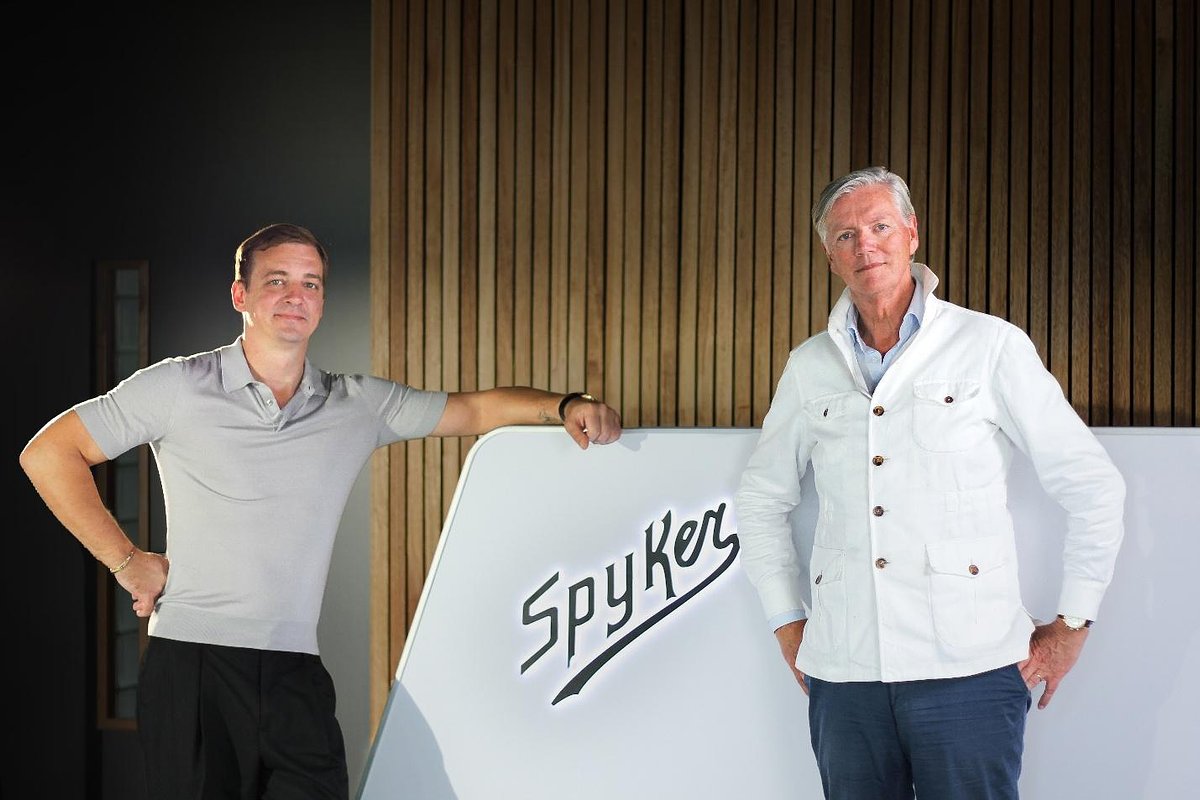
From Crypto to Cars: W Group's Audacious Bet on a Classic Automaker
VILNIUS, Lithuania – June 09, 2026 – In a move that bridges the digital frontier with the tangible world of heritage manufacturing, Volodymyr Nosov, founder of the fintech ecosystem W Group, has acquired a significant stake in the iconic Dutch automaker Spyker. The transaction brings the beleaguered but beloved car marque into the fold of a global group built on cryptocurrency and blockchain. This isn't merely a passion project from a wealthy tech entrepreneur; it's a calculated strategic pivot that aims to create a new kind of business ecosystem where digital assets and premium physical goods operate within a single technological framework. The question is whether a Web3 powerhouse can truly restart the engine of a 144-year-old brand known more for its turbulent finances than its recent output.
A Phoenix Moment for a Storied Marque
For automotive enthusiasts, the name Spyker evokes images of exquisite, aviation-inspired design and a rich, if complicated, history. Founded in 1880, the original company built the world's first four-wheel-drive car in 1903 before its eventual demise. The modern iteration, revived in 1999 by founder Victor Muller, captured the imagination of the ultra-luxury market with handcrafted models like the C8 Spyder. Yet, its journey has been anything but smooth. The brand’s ambition often outstripped its financial reality, culminating in the disastrous 2010 acquisition of Saab Automobile from General Motors, a move that crippled both companies.
Spyker has since been trapped in a cycle of financial distress, filing for bankruptcy in 2014 and again in 2021. After the second filing, the company was described by industry insiders as an "empty shell," possessing its valuable trademarks and intellectual property but lacking the personnel, parts, or production facilities to build cars. A promised rescue by Russian investors in 2020 failed to materialize, leaving the brand's future in serious doubt. This history of false starts makes the new partnership profoundly significant. For Spyker, W Group's investment is more than capital; it's a potential lifeline from a completely different world. Welcoming the deal, Victor Muller, Spyker's CEO, described it as a "significant milestone in the company's return to the global automotive market." He noted, "The enthusiasm we have seen since announcing the new Spyker C8 Preliator XXV confirms that there is strong demand for the return of Spyker."
The Web3 Conglomerate's New Blueprint
To understand this deal, one must look at W Group and its founder, Volodymyr Nosov. W Group is a sprawling fintech ecosystem with the WhiteBIT cryptocurrency exchange at its center, which serves 35 million users and processed an annual trading volume of $2.7 trillion in 2024. Nosov, a Ukrainian entrepreneur, built his empire on a philosophy of creating "white, clear businesses" in the often-opaque crypto space. His vision extends beyond digital assets, aiming to bridge the Web2 and Web3 economies. The Spyker acquisition is the most audacious test of that strategy to date, moving the group from intangible code to handcrafted metal.
This is a deliberate diversification. W Group's portfolio already includes a crypto payments company, its own blockchain, and even a digital bank in Georgia. Adding a premium manufacturing brand is part of a long-term plan to build a more resilient and multifunctional business. "For many years, I have been invested in rare automobiles and have always admired Spyker's unique design language and extraordinary heritage," said Volodymyr Nosov. "Becoming a co-owner of Spyker is both a personal and strategic investment. Our goal is to preserve everything that makes the brand special while helping it enter a new era of growth, innovation, and global relevance."
The Digital Garage: More Than Just an NFT Keychain?
Central to this new era is Spyker Digital, a new technology company formed to develop digital infrastructure for the premium automotive sector. Nosov envisions a "synergy of the finest traditions of European engineering and the digital economy, where a sports car is integrated with blockchain products and tokens." While the press release is light on specifics, the implications are vast. The industry has already seen other luxury brands experiment with blockchain, with mixed results. While some have successfully used NFTs for customer engagement, others, like Porsche, faced backlash for poorly executed digital drops, proving that a strong brand name isn't enough to guarantee success in the Web3 space.
Spyker Digital's mission appears more foundational. It could involve creating an immutable blockchain ledger for each vehicle, transparently tracking its provenance, ownership history, and service records—an invaluable tool in the high-end collector market. It might also enable tokenized ownership, digital keys stored in a crypto wallet, or exclusive digital experiences tied to the physical car. This move could differentiate Spyker in a crowded market, offering a unique value proposition that blends old-world craftsmanship with cutting-edge digital security and engagement. The challenge will be to create utility that high-net-worth buyers find genuinely valuable, rather than a technological gimmick.
Navigating a Crowded and Demanding Field
Reviving Spyker will be a monumental undertaking. The brand is re-entering a hyper-competitive market dominated by titans like Koenigsegg and Pagani, who continually push the boundaries of performance and bespoke luxury. Furthermore, Spyker's previous models are now technologically dated, meaning a simple production restart is not an option. The company must re-engineer its products, re-establish supply chains, and build a skilled workforce from the ground up. However, W Group's backing provides two things Spyker has desperately lacked: substantial capital and a clear vision for digital innovation. The first tangible proof of this revival is slated for August, when the brand will unveil the new Spyker C8 Preliator XXV at The Quail and the Pebble Beach Concours d’Elegance. Boasting a non-hybrid twin-turbo V8 with 800 horsepower, the car is a statement of intent, signaling that Spyker aims to compete on performance, not just nostalgia. This partnership represents a high-stakes gamble on the idea that the future of luxury lies in the fusion of heritage and technology.