
- 40 dogs rescued and transported to Tennessee
- 35 dogs saved from a cruelty case in Greensburg, Louisiana
- 5 dogs from a prison rehabilitation program in Jackson, Louisiana
Experts agree that large-scale animal rescues like this are critical in addressing systemic neglect and that rehabilitation programs involving inmates offer dual benefits for both animals and participants.
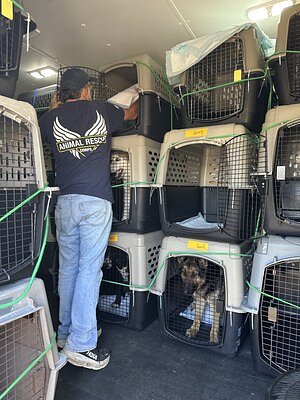
From Cruelty to Compassion: Rescued Dogs' Journey to a New Life
NASHVILLE, TN – May 14, 2026 – Forty dogs are on a journey toward a new beginning. Their path led them from the starkly different environments of a horrific Louisiana cruelty case and an innovative prison rehabilitation program to the safety of the Animal Rescue Corps (ARC) Rescue Center near Nashville, Tennessee. The complex operation, dubbed Operation Safe Shelter, highlights a story of profound neglect, systemic challenges, and the remarkable power of compassion.
Animal Rescue Corps, a national nonprofit known for its large-scale interventions, transported the 40 dogs this week. The group includes 35 animals saved from a suspected cruelty and neglect case in Greensburg, Louisiana, and five others who were being cared for within a correctional facility program. Now in Tennessee, their long road to physical and emotional recovery can finally begin.
"These dogs have already been through tremendous hardship, but now their recovery can begin," said ARC Executive Director Tim Woodward in a statement. "Our team is committed to giving each of these animals the medical care, nourishment and compassion they deserve while helping them move toward a safe and stable future."
A Scene of Horror in Greensburg
The rescue mission was initiated following a grim discovery at a property in Greensburg, a small town in St. Helena Parish. Local authorities, responding to tips, uncovered what officials described as deplorable and horrific conditions. While ARC's press release accounted for 35 dogs from the case, local reports from the time of the initial seizure in April detailed the removal of 27 dogs from the property.
The scene painted by investigators was one of extreme suffering. More than a dozen dogs were found confined to small crates in darkened rooms, forced to live in a soupy mixture of their own waste. The stench of feces and urine was overwhelming. Many animals were severely malnourished, their ribs and spines clearly visible beneath matted, filthy fur. Some had collars embedded so tightly into their necks that they struggled to breathe. In a particularly disturbing finding, a veterinarian discovered that one dog had ingested concrete and sticks in its desperate search for sustenance.
As a result of the investigation, property resident Candace Hollins was arrested and charged with 27 counts of animal cruelty, 21 of which are felony charges under Louisiana's stringent animal welfare laws. She also faces drug and weapons charges. Her husband, Charles Hollins, remains at large with outstanding warrants for the same offenses. The case has sent shockwaves through the community, underscoring the brutal reality of severe animal neglect.
A System Under Strain
The Greensburg case does more than just tell a story of individual cruelty; it exposes a critical vulnerability in local infrastructure. The intervention by the Humane Society of Louisiana and subsequently Animal Rescue Corps was essential precisely because St. Helena Parish lacks the resources to manage such a crisis. The parish has no official animal control services and no public animal shelter.
This void leaves local law enforcement and the few private citizens trying to help completely overwhelmed. According to area animal welfare advocates, the absence of basic services has allowed stray populations to explode and situations like backyard breeding and even dog fighting to fester. When a large-scale cruelty case like the one in Greensburg emerges, there is simply nowhere for the animals to go. Neighboring parishes, often dealing with their own capacity issues, are reluctant to take in animals from outside their jurisdiction.
This is where organizations like ARC become indispensable. With the capacity to deploy trained teams, provide field support, and transport dozens of animals to their own advanced facilities, they fill a gap that smaller, under-resourced communities cannot. The national organization, which has received top marks from charity watchdogs like Charity Navigator, specializes in these complex, large-scale operations that local agencies are unequipped to handle.
An Unlikely Alliance for Healing
Contrasting sharply with the horror of the cruelty case is the story of the other five dogs included in the transport. These animals came from the Pen Pals Animal Shelter and Adoption Center, a unique program operating within the Dixon Correctional Institute in Jackson, Louisiana.
Founded in the wake of Hurricane Katrina, Pen Pals is a no-kill shelter on prison grounds where incarcerated individuals are given the chance to care for and rehabilitate rescued animals. Inmates involved in the program are responsible for every aspect of the animals' daily lives, from feeding and cleaning to providing basic obedience training and socialization. For animals that have known only fear and neglect, the consistent, positive human interaction is transformative.
The program offers a powerful dual benefit. While the dogs learn to trust again and become ready for adoption, the inmates gain a sense of purpose, responsibility, and empathy. Studies on such programs have shown they can improve mental health, reduce aggression, and lower recidivism rates among participants. It is a profound exercise in second chances for both people and pets.
"The Pen Pals program gives these dogs a chance to heal while also giving participants an opportunity to practice compassion, responsibility and purpose," explained Pen Pals Director Stacey Alleman. "We deeply appreciate ARC stepping in to assist with these animals and support our program."
The Long Road to a Forever Home
Upon their arrival at the ARC Rescue Center, the real work of healing begins for all 40 dogs. Each animal will undergo a comprehensive veterinary evaluation to identify and address a host of potential medical issues, from malnourishment and skin infections to parasites and injuries. From there, ARC's team of staff and volunteers will create individualized treatment and rehabilitation plans.
Beyond medical care, the focus will be on emotional and behavioral recovery. Through daily care, proper nutrition, and enrichment activities, the team will help the dogs overcome their past trauma and learn to be dogs again—many for the first time in their lives. The process can be long and requires immense patience, but it is a critical step toward their future.
Once the dogs are deemed physically and emotionally ready, ARC will work with its extensive network of placement partners across the country to find them loving, permanent homes. By moving animals to regions with high demand for adoptions, the organization ensures that each survivor gets the best possible chance at a safe and stable future. This methodical, compassionate approach is a hallmark of ARC's mission, which was nationally recognized when its director, Tim Woodward, was honored as a 2025 CNN Hero. For these 40 dogs, the journey has been one of unimaginable hardship, but they are now on a path paved with hope and expert care.