
- $285M Acquisition: Fresh Del Monte acquires key Del Monte assets for $285 million.
- 135-Year Legacy: The deal unifies the Del Monte brand under one entity after nearly 40 years of fragmentation.
- 2026 Closure: Transaction expected to close in Q1 2026, pending regulatory approvals.
Experts view this acquisition as a strategic move to consolidate the Del Monte brand, diversify Fresh Del Monte's portfolio, and create a more resilient business model spanning fresh and packaged foods.
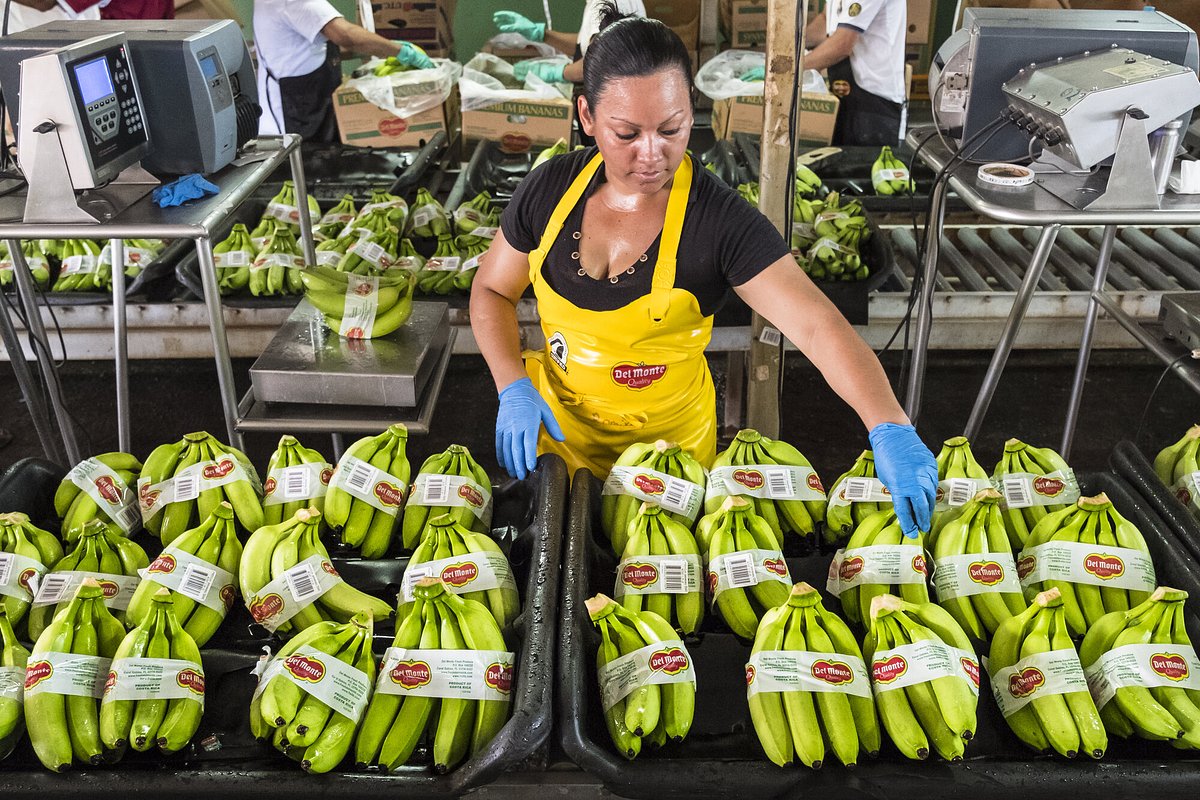
Fresh Del Monte Unites Brand with $285M Bankruptcy Asset Acquisition
CORAL GABLES, FL – February 09, 2026 – In a landmark move set to reshape the landscape of one of America's most iconic food brands, Fresh Del Monte Produce Inc. has received U.S. Bankruptcy Court approval to acquire significant assets from the bankrupt Del Monte Foods Corporation II Inc. for $285 million.
The deal, approved through a court-supervised auction, marks a pivotal strategic expansion for the fresh fruit and vegetable giant, catapulting it into the prepared and packaged foods aisle. More significantly, it represents a major step toward unifying the fragmented Del Monte® brand under a single corporate entity for the first time in nearly four decades.
Fresh Del Monte will acquire the vegetable, tomato, and refrigerated fruit businesses, including popular brands like Contadina® and Joyba®, and, crucially, global ownership of the Del Monte® brand itself, subject to certain existing regional licenses. The transaction is expected to close in the first quarter of 2026, pending final regulatory clearances, including Hart-Scott-Rodino antitrust review.
A Brand Reunited
For decades, consumers have navigated a confusing marketplace where different, unaffiliated companies sold products under the same Del Monte® shield logo. The brand's ownership fractured in 1989 when RJR Nabisco sold off the fresh fruit division, which eventually became the publicly traded Fresh Del Monte Produce (NYSE: FDP). The remaining packaged foods business went through a series of ownership changes, most recently becoming a U.S. subsidiary of the Philippines-based Del Monte Pacific Limited (DMPL).
This acquisition begins to mend that historic split. By securing global ownership of the brand and key packaged product lines, Fresh Del Monte is positioning itself to build a cohesive brand identity that spans from fresh bananas and pineapples to canned tomatoes and refrigerated fruit cups. The move aims to eliminate brand confusion and leverage the name's 135-year legacy of quality across a much broader spectrum of food products.
However, the brand's web of ownership remains complex. The court-supervised sale saw other bidders win key pieces of the bankrupt entity. Pacific Coast Producers, a cooperative of farmers, secured the rights to use the Del Monte® and S&W® brands for shelf-stable packaged fruit in the U.S. and Mexico. Meanwhile, B&G Foods, Inc. acquired the broth and stock business, including the College Inn® and Kitchen Basics® brands, for $110 million. This means that while Fresh Del Monte will be the primary global steward of the brand, other companies will continue to market Del Monte-branded products in specific categories and regions.
Beyond Fresh Produce: A Strategic Pivot
Historically focused on its vertically integrated network for producing and distributing fresh produce to over 80 countries, Fresh Del Monte's acquisition signals a bold diversification strategy. The company is moving assertively into the center of the grocery store, a domain dominated by established packaged goods competitors like Kraft Heinz and Conagra Brands.
This strategic shift is a calculated response to evolving market dynamics. While the company has found success in higher-margin, value-added fresh products like avocados and fresh-cut fruit, the core fresh produce business can be volatile. Adding established pantry staples provides a more stable, resilient revenue stream that is less susceptible to weather, seasonality, and supply chain shocks that plague the fresh food industry.
The acquired assets—including packaged vegetable brands, the Contadina® tomato brand, and the Joyba® beverage brand—provide an immediate and substantial foothold in the prepared foods market. Fresh Del Monte plans to leverage its global supply chain, operational expertise, and innovation capabilities to grow these new additions while seeking synergies between its fresh and shelf-stable offerings.
The Bankruptcy Bargain
The opportunity for this transformative acquisition arose from the financial collapse of Del Monte Foods Corporation II Inc., which filed for Chapter 11 bankruptcy on July 1, 2025. The 139-year-old company buckled under the weight of significant debt, rising interest rates, and a challenging market.
Court filings reveal a perfect storm of pressures. A heavy debt load from a 2014 acquisition became unsustainable as interest rates soared, nearly doubling annual interest payments. Simultaneously, the company faced a long-term decline in American consumption of canned goods as consumer preferences shifted toward fresh and frozen options. This trend was exacerbated by operational missteps and rising costs, including steel tariffs imposed in 2025 that increased the price of cans.
The ensuing Section 363 bankruptcy sale allowed Fresh Del Monte to acquire valuable, established brands and production assets free of the seller's crippling liabilities. The $285 million purchase price, plus the assumption of certain liabilities, is viewed by analysts as a strategic investment made at an opportune moment. Fresh Del Monte, which boasts a strong balance sheet and has maintained dividend payments for 16 consecutive years, plans to finance the deal with cash on hand and its revolving credit facility.
As the transaction moves toward its expected closing in early 2026, Fresh Del Monte is focused on the final regulatory hurdles. The company has indicated it will manage the newly acquired brands through a dedicated business unit, signaling a thoughtful approach to integrating these pantry staples into its historically fresh-focused operations and building a brighter, more diversified future.
Topics & Related
Food & Agriculture
Related Company Pulse