
- Luxury Market Margins: Average operating margins for major luxury groups have dropped from 24% in 2022 to 13% in 2026.
- Discounted Luxury Sales: 40% of luxury items were sold at a discount in 2025, marking a 15-year high.
- Middle East Luxury Growth: Saudi Arabia aims to double its luxury goods sales to $6 billion by 2030.
Experts agree that the fashion industry must urgently adapt to economic pressures, decentralized growth markets, and AI integration while preserving the core values of craftsmanship and exclusivity.
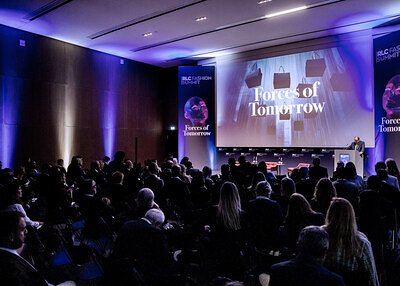
Fashion's Crossroads: CEOs to Chart New Course Amid AI, Market Shifts
MILAN – May 13, 2026 – The global fashion industry's most influential leaders are set to convene in Milan this June for the exclusive RLC Fashion Summit, an invite-only gathering poised to address the sector's most pressing challenges. As the luxury market grapples with shrinking margins, geopolitical shifts, and the disruptive force of artificial intelligence, executives from giants like Prada Group, Brunello Cucinelli, Selfridges Group, and Saks Global will gather to reassess the very foundations of their growth models.
The New Economics of a Strained Luxury Market
Beneath the shimmering veneer of high fashion, a silent crisis is forcing a reckoning. The summit, held at the Four Seasons Hotel Milano from June 3-4, arrives at a moment of profound economic pressure. After years of aggressive price hikes and expansion, the industry is facing a stark new reality. Recent industry analysis reveals a troubling trend: average operating margins across major luxury groups have plummeted from 24% in 2022 to just 13% today.
This margin erosion is fueled by a perfect storm of slowing global demand, particularly in the once-booming markets of China and the US, and a consumer base that is increasingly questioning the value proposition of luxury goods. The pressure is evident on the retail floor, with an estimated 40% of luxury items sold at a discount in 2025—a 15-year high. This environment has forced companies to confront difficult questions about pricing, production, and the sustainability of their current business models, making the summit's theme, "The New Economics of Luxury," more relevant than ever. The closed-door sessions are expected to be a forum for frank discussions on navigating this new landscape, where profitability can no longer be taken for granted.
Charting a New Global Map for Growth
With traditional Western markets showing signs of saturation and fatigue, the conversation in Milan will inevitably turn to "The New Geography of Growth." The industry's future is no longer anchored to a few key capitals; it is becoming increasingly decentralized. As Panos Linardos, Chairman of RLC Global Forum, noted in the summit's announcement, "Where and how the global fashion industry grows is now determined across multiple markets, with strategy, capital, and execution increasingly fragmented and distributed."
Executives will be scrutinizing opportunities in emerging hubs where new wealth and a growing middle class are creating vibrant consumer bases. The Middle East, particularly Saudi Arabia, is a key focus, with the kingdom aiming to double its luxury goods sales to $6 billion by 2030. Similarly, India's luxury market is projected to expand significantly, with its ultra-high-net-worth population expected to grow by over 50% by 2028. Southeast Asian nations like Thailand and Vietnam are also demonstrating double-digit growth in luxury spending. This global fragmentation requires a strategic pivot, forcing brands to balance a consistent global identity with nuanced, culturally-aware approaches tailored to the unique tastes and digital behaviors of consumers in these diverse regions. The presence of leaders like Alison Rehill-Erguven, CEO of the Middle East-based Cenomi Centers, underscores the importance of these new frontiers.
The AI Frontier: Innovation Meets Exclusivity
Perhaps the most transformative and complex topic on the agenda is the integration of artificial intelligence. The summit's theme, "AI and the Innovation Frontiers," highlights the dual nature of AI as both a monumental opportunity and a potential threat to luxury's core tenets of craftsmanship and human creativity. On one hand, AI offers powerful tools to solve persistent industry problems. It can optimize convoluted supply chains, predict trends with uncanny accuracy to reduce overproduction, and deliver the kind of hyper-personalized customer experiences that today's consumers demand.
Retailers like Saks Global are already demonstrating the power of this technology. By implementing machine learning to personalize its online homepage, Saks has seen a tangible lift in revenue and conversion rates. However, the path to AI integration is fraught with challenges. The high costs, the need to overhaul legacy systems, and a significant skills gap within the workforce are major hurdles. More fundamentally, brands face an existential question: how to embrace AI-driven efficiency without sacrificing the human touch and artistry that define luxury? The fear of algorithmic homogenization, where data-driven decisions could stifle true innovation, will be a central point of debate as leaders seek to harness technology without losing their brand's soul.
A Confluence of Strategy and Influence
The significance of the RLC Fashion Summit lies not only in its timely themes but also in the caliber of its attendees. The guest list reads like a who's who of the global fashion ecosystem, bringing together CEOs from heritage brands like Kiton and Canali, retail powerhouses like Selfridges, financial strategists from firms like Permira, and innovators like Golden Goose. This diverse coalition of decision-makers reflects the interconnected nature of the industry's challenges and the need for cross-sector collaboration.
Hosted by the RLC Global Forum, a platform known for convening CEO-level dialogues in Riyadh, Milan, and New York, the summit is designed to be more than a talking shop. It is a strategic platform for shaping international discourse and forging new initiatives. As these titans of industry gather to discuss the reinvention of desire, the new economics of their trade, and the uncharted territories of growth and technology, the outcomes of their conversations could set the strategic direction for the global fashion and luxury sector for years to come. The decisions made and the alliances formed in Milan will likely ripple across the industry, influencing everything from design and manufacturing to how consumers experience luxury in an increasingly complex world.