
- $225 billion: Projected global ready meals market value by 2030, up from over $140 billion recently.
- 10 states: Factor meals now available in Target stores across the Midwest.
- 4 meals: Initial retail assortment featuring chef-prepared, dietitian-approved options under 580 calories each.
Experts view Factor's Target debut as a strategic response to evolving consumer demands for convenience and nutrition, signaling a broader industry shift toward omnichannel food solutions.
Factor's Target Debut: From Doorstep to the Grocery Aisle
NEW YORK, NY – January 12, 2026 – Factor, America’s leading ready-to-heat meal delivery service, has officially moved from the subscription box to the shopping cart. In a significant strategic pivot, the company today launched a curated selection of its chef-prepared meals in Target stores across ten Midwest states, marking its first major foray into traditional brick-and-mortar retail. The move places Factor's dietitian-approved, convenience-focused meals directly into the refrigerated deli aisles, making them accessible to millions of shoppers outside of its established direct-to-consumer (DTC) model.
This expansion is a calculated response to a rapidly evolving food landscape, where the lines between online services and physical stores are increasingly blurred. “Expanding into Target allows us to meet customers where they already shop,” said Adam Park, Managing Director of Factor, in today's announcement. “Whether you already know Factor or are discovering us for the first time, this makes it easier to grab a fresh, nutritionally balanced meal during a regular Target run.”
The New Battleground for Convenience
Factor's entry into retail is more than just a new sales channel; it’s a bellwether for the broader food industry. The ready-to-eat (RTE) meal market is experiencing explosive growth, transforming from a niche category to a dominant force in the grocery sector. Market analyses project the global ready meals market, valued at over $140 billion in recent years, to surge past $225 billion by 2030. This growth is fueled by a powerful convergence of consumer trends: busy lifestyles, rising disposable incomes, and a heightened awareness of nutrition.
Modern consumers, particularly time-strapped professionals and health-conscious millennials, are no longer willing to trade health for convenience. They demand both. This has created a fertile ground for premium RTE options that deliver on quality, taste, and nutritional value without the time commitment of cooking. Factor's move taps directly into this demand, betting that customers who value its subscription service will also appreciate the flexibility of an impromptu purchase at a local store. It also introduces the brand to a vast new audience that may be hesitant to commit to a subscription but is eager for high-quality, single-purchase meal solutions.
What's on the Menu in the Midwest?
Starting today, shoppers in Illinois, Iowa, Indiana, Kansas, Minnesota, Missouri, North Dakota, Nebraska, South Dakota, and Wisconsin can find Factor meals in the refrigerated section of their local Target. The company is leaning heavily on its core brand promise: “fresh, never frozen.” Each meal is chilled to preserve nutrients and flavor, a key differentiator in a market often saturated with frozen alternatives.
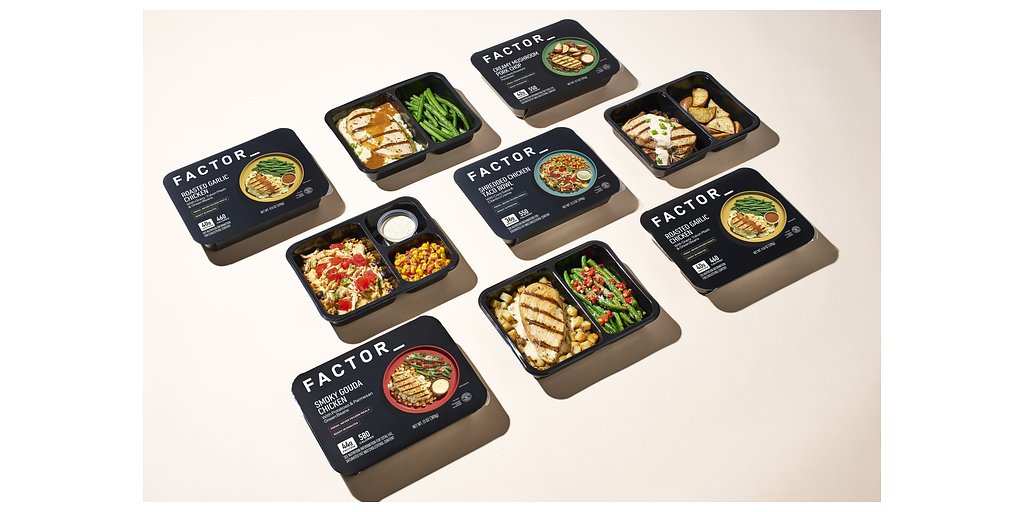
The initial retail assortment features four of the brand's most popular recipes, each designed to be high in protein and under 580 calories, with no artificial colors, sweeteners, or refined sugars. The selection aims to offer a taste of Factor's gourmet-inspired, nutritionally balanced approach:
- Smoky Gouda Chicken: A chicken breast in smoked gouda cream sauce, served with rosemary-seasoned red potatoes and parmesan green beans.
- Creamy Mushroom Pork Chop: A savory pork chop with a truffle cream sauce, garlic-thyme roasted mushrooms, and red potatoes.
- Roasted Garlic Chicken: Chicken in a creamy garlic sauce, accompanied by seasoned greens and yukon mashed potatoes.
- Shredded Chicken Taco Bowl: Seasoned shredded chicken over black beans and brown rice, finished with roasted corn salsa and cilantro crema.
These heat-and-eat options, ready in minutes, directly target the need for quick lunches, easy post-workout meals, or simple weeknight dinners, positioning Factor as a premium solution in the grab-and-go space.
Disrupting the Refrigerated Aisle
Factor is not entering an empty arena. The refrigerated aisles of major retailers like Target are a fiercely competitive space. The company will go head-to-head with established national brands such as EVOL, Luvo, and Amy's Kitchen, which have long catered to the health-conscious consumer. Perhaps its most significant competitor will be Target’s own formidable private label, Good & Gather, which offers a wide array of prepared foods and holds a powerful advantage in pricing and shelf placement.
Factor's strategy appears to be one of premium positioning. By emphasizing its chef-crafted recipes, dietitian-approved macros, and commitment to fresh ingredients, the brand is carving out a top-tier space in the category. This approach targets a segment of consumers willing to pay a premium for a product that feels more like a restaurant-quality meal than a typical microwave dinner. The success of this strategy will depend on whether Midwest shoppers perceive a tangible difference in quality and taste that justifies the price point, especially when placed next to lower-cost alternatives.
A Strategic Pivot for HelloFresh Group
This retail launch is a crucial piece of a much larger puzzle for Factor's parent company, the HelloFresh Group. The global meal-kit giant is actively working to transform itself into a “fully integrated food solutions group,” diversifying beyond its core subscription box model. This strategy involves expanding its total addressable market by acquiring and growing brands in adjacent food categories.
Factor, and the broader RTE segment, is the primary engine of this growth. While HelloFresh projects a potential decline in its legacy meal-kit business for the coming year, it anticipates its RTE division will grow in the low to mid-teens. This retail expansion is a critical step in realizing that potential, reducing the company's reliance on customer acquisition in the highly competitive online subscription space. By creating an omnichannel presence, HelloFresh can capture revenue from customers at various touchpoints, building brand loyalty that transcends a single business model. This move into Target is not just a test for Factor; it's a test for HelloFresh's entire future-facing strategy.
The Complexities of 'Fresh' on a Mass Scale
Delivering on the “fresh, never frozen” promise in a DTC model is one thing; scaling it across hundreds of retail stores is another entirely. The logistical challenges are immense. Unlike frozen goods, fresh prepared meals have a very short shelf life and require an unbroken cold chain—a consistently refrigerated environment from the production facility, through distribution centers and transport trucks, all the way to the Target deli cooler.
Any break in this chain can lead to spoilage, food safety risks, and significant financial losses. This necessitates a highly sophisticated and responsive supply chain capable of managing precise inventory levels to minimize waste while preventing stockouts. HelloFresh has invested heavily in its production and distribution infrastructure, but the shift to a retail model, with its variable sales velocities and complex store-level replenishment demands, will put that system to the ultimate test. The success of this launch will depend as much on operational excellence and cold-chain logistics as it will on consumer appetite for the meals themselves.