
- 10,000-meter drilling campaign underway at Greenland's Tanbreez project, a critical step in rare earth element extraction. - 4.7 billion metric ton mineralized unit, one of the largest undeveloped rare earth deposits globally. - 27-30% heavy rare earth elements (HREEs) content, vital for tech and defense industries.
Experts would likely conclude that this drilling campaign represents a strategic milestone in reducing Western dependency on Chinese rare earth supplies, though success hinges on overcoming environmental and logistical challenges.
Drilling Begins in Greenland: A New Front in the West's Race for Rare Earths
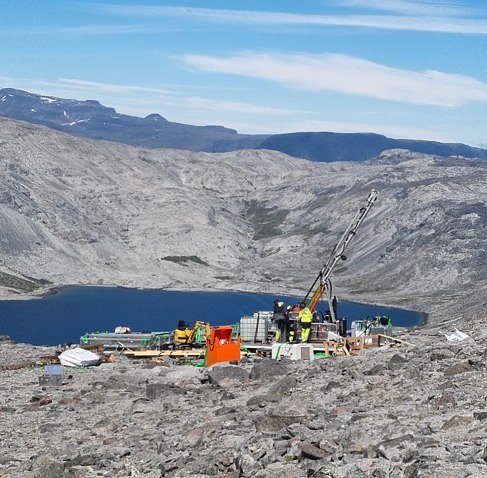
NEW YORK, NY – June 17, 2026 – In the remote, fjord-carved landscape of Southern Greenland, the distinct hum of a diamond drill rig now cuts through the Arctic silence. This is not just another mining operation. The commencement of a 10,000-meter drilling campaign by Critical Metals Corp. (Nasdaq: CRML) at its Tanbreez project marks a pivotal moment in a global economic and strategic contest—the race to secure a supply of rare earth elements outside of Chinese control.
The results of this extensive drilling program could determine whether the West can begin to loosen the stranglehold China holds on minerals that are the lifeblood of modern technology, from smartphones and electric vehicles to the sophisticated guidance systems of F-35 fighter jets. For Critical Metals Corp., it's a high-stakes test of a decade of preparation. For Western governments, it's a tangible step toward supply chain resilience.
A Strategic Push in the Arctic
Critical Metals Corp. announced today that drilling is officially underway, a milestone that transitions the Tanbreez project from a promising deposit on paper to an active development site. The campaign is designed to provide the crucial geological data needed to expand the known resource, finalize mine plans, and push the project closer to the ultimate goal of production.
"The start of our 10,000-meter drilling campaign marks another important step in the advancement of the world-class Tanbreez rare earth Project," commented Tony Sage, Chairman of CRML, in a statement. "The information generated from this program is expected to support resource expansion, geological modelling, mine planning and other activities aimed at advancing Tanbreez toward production.”
The launch follows a period of intense logistical preparation. The company has successfully constructed and commissioned accommodation and operational facilities on site, mobilized drilling contractors, and positioned rigs over priority targets. This flurry of activity in a challenging environment underscores the project's momentum. Over the next few weeks, teams will focus on ground verification and finalizing access routes, setting the stage for a summer season that could define the project's future.
The Tanbreez Prize: More Than Just a Mine
What makes Tanbreez so significant is not just its location but its unique geological makeup. The project is situated within a 4.7 billion metric ton mineralized unit, making it one of the largest undeveloped rare earth deposits in the world. Crucially, it is exceptionally rich in heavy rare earth elements (HREEs), which comprise an estimated 27-30% of its total rare earth content.
These are the most sought-after and scarcest of the 17 elements on the periodic table that fall under the "rare earth" banner. While lighter rare earths are more common, HREEs like dysprosium and terbium are indispensable for the high-performance permanent magnets required for electric vehicle motors, wind turbines, and advanced defense systems. Currently, the European Union sources 100% of its HREEs from China, a nation that controls roughly 85% of the world's total rare earth processing capacity.
This dependency has been flagged as a critical vulnerability by policymakers in Washington and Brussels. The strategic importance of Tanbreez is not a new discovery; diplomatic maneuvers by the U.S. and Denmark in the past have reportedly been aimed at ensuring the project remained in friendly hands. The start of this drilling campaign brings that strategic potential one step closer to reality, promising a stable, long-term supply for Western industries.
The Numbers Behind the Gamble
For investors, the Tanbreez project presents a compelling, if complex, picture. An independent Preliminary Economic Assessment (PEA) published in early 2025 painted a dazzling financial outlook, with a pre-tax net present value estimated between $2.8 billion and $3.6 billion and an internal rate of return of 180%. Remarkably, this assessment was based on mining just 1% of the total estimated mineral resource, hinting at a much larger potential prize.
Critical Metals Corp. is now working to solidify those numbers. A more rigorous Bankable Feasibility Study (BFS), led by Danish engineering firm NIRAS, is already well advanced and aims to upgrade the project's planned throughput from 0.5 million to 3 million tonnes per year.
The company's stock jumped over 8% on the news of the drilling commencement, reflecting market optimism. Analyst ratings are overwhelmingly positive, with a "Strong Buy" consensus. However, a deeper look reveals the calculated risks inherent in a development-stage mining venture. The company is still earning its full stake in the project, with public filings indicating it is on a path to secure a 92.5% interest through its exploration investments. Furthermore, some market watchers point to increased short interest as a sign of investor caution. This drilling campaign is the key to de-risking the project and proving to the market that the geological promise can be converted into economic reality.
The Greenland Question: Progress vs. Preservation
Operating in the pristine Arctic environment comes with immense responsibility. Greenland has a robust regulatory framework, and the Tanbreez project's exploitation license, valid until 2050, was granted only after extensive environmental and social impact assessments. Critical Metals Corp. highlights the project's advantages, including its potential to be powered by nearby clean hydropower and its coastal location with deep-water fjord access for year-round shipping, which minimizes the need for disruptive new land-based infrastructure. The company describes the deposit as "comparatively clean," anticipating minimal harmful by-products.
However, the shadow of the nearby Kvanefjeld project looms large. That controversial rare earth project, which also contained significant uranium deposits, was ultimately halted by Greenland's government following widespread public opposition over environmental concerns. The Kvanefjeld case demonstrated the power of local sentiment and the political will to prioritize environmental protection over resource extraction.
Successfully navigating this delicate balance will be the ultimate test for Critical Metals Corp. The company's ability to not only meet but exceed environmental standards and maintain a strong social license with local communities will be as critical to its success as the grade of the ore it pulls from the ground. The results from the 10,000 meters of core now being drilled will provide the geological answers, but the true measure of success for the Tanbreez project will be whether it can deliver a new model for responsible resource development in the 21st century.