
- 13,000+ followers on Carina's Instagram account, showcasing Dr. Simi's global appeal before the Japan launch. - 440 employees with disabilities manufacture Dr. Simi plush toys in Mexico, highlighting the brand's social mission. - Three-story pop-up store in Shibuya, Tokyo, marking Farmacias Similares' unconventional Asian debut.
Experts would likely conclude that Farmacias Similares' character-driven, experiential approach is a strategic and culturally sensitive way to enter Japan's competitive market, though success will depend on sustained engagement and navigating regulatory hurdles.
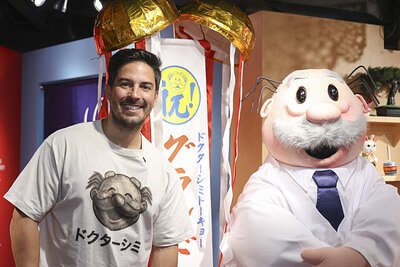
Dr. Simi Swaps Lab Coat for Samurai Armor in Bold Japan Debut
TOKYO, Japan – April 14, 2026 – In a move that blends playful pop culture with ambitious global strategy, Mexican pharmacy behemoth Farmacias Similares is set to make its Asian debut tomorrow not with medicine, but with a mascot. Dr. Simi, the company's iconic, mustachioed character, will greet the Tokyo public from a three-story pop-up store in the heart of Shibuya, trading his usual white lab coat for the armor of a samurai.
This month-long immersive experience, located directly in front of the famed Shibuya 109 department store, represents a highly unconventional market entry. Instead of stocking shelves with pharmaceuticals, the company is stocking them with Dr. Simi plush toys, backpacks, and interactive exhibits. It's a calculated gambit by parent company Grupo Por un País Mejor (GPUPM) to use cultural charm as the spearhead for its expansion into Japan and, ultimately, across the Asian continent.
A Mascot's Diplomatic Mission
The decision to lead with a character is a deliberate nod to Japan's deep-rooted affinity for mascots, known as yuru-kyara. These characters are ubiquitous, serving as ambassadors for brands, cities, and even government agencies, creating powerful emotional connections with the public. By presenting Dr. Simi as a samurai, Farmacias Similares is not just introducing a mascot; it's attempting to speak a local cultural language.
"These characters are part of Japanese culture, so I'm sure that people in Japan are going to love Dr. Simi," commented Carina, a flight attendant and influencer whose Instagram account, "Carina y Simi," chronicles her travels around the world with the plush doctor. Her account, which boasts over 13,000 followers, showcases Dr. Simi in dozens of countries, a testament to the character's burgeoning global appeal long before this official launch. This existing viral fame, where fans have famously thrown the plush toys onto the stage at concerts for international artists, provides a unique, fan-driven foundation for the character's introduction to a discerning Japanese audience.
Víctor González Herrera, president of Farmacias Similares, acknowledged the character's unique appeal. "The samurai Simi is a huge hit," he noted in a statement ahead of the opening. The pop-up is designed as a real-time research lab, allowing the company to "understand what resonates most with Japanese audiences and seek potential partners in the market."
Brand Before Business: A Disruptive Blueprint
For a company that built its empire on the disruptive motto "Lo Mismo Pero Más Barato" ("The Same But Cheaper"), this character-first strategy is perfectly in character. In Mexico and parts of Latin America, Farmacias Similares revolutionized healthcare access by offering low-cost generic drugs and affordable medical consultations, making it a household name. This new venture in Japan marks a pivot from its core business model towards an experiential, brand-led approach.
Entering Japan's highly regulated and competitive pharmaceutical market is a monumental task. The regulatory hurdles are steep, and the landscape is dominated by established domestic chains. By launching a pop-up focused on merchandise and brand engagement, the Mexican firm is effectively sidestepping these initial barriers. This "soft entry" allows it to build brand recognition, goodwill, and a potential customer base before tackling the complexities of the healthcare sector. It's a strategy of patience, aimed at building a cultural bridge before attempting to build a commercial one.
The three-floor Shibuya space is more than a store; it is an interactive brand embassy designed to immerse visitors in the world of Dr. Simi. This focus on experiential retail is a modern approach to winning hearts and minds, creating a memorable connection that traditional advertising often cannot achieve.
More Than a Plush Toy: The Social Mission
Beyond the commercial strategy and cultural diplomacy, every Dr. Simi plush toy sold in Tokyo carries a deeper story of social impact. This initiative is central to the mission of Grupo Por un País Mejor, a coalition of enterprises dedicated to building a fairer society. The group operates on a principle of "ecosocial capitalism," where business success is inextricably linked to social well-being.
In a powerful manifestation of this ethos, all Dr. Simi plush toys are manufactured by CINIA, a company in Cholula, Mexico, that employs 440 people with auditory, visual, or motor disabilities. This commitment to inclusive employment is not an afterthought but a core component of the brand's identity.
González Herrera emphasized this point, stating that beyond viral appeal, what makes Dr. Simi a success is "precisely how he connects with people." He noted that this connection is deepened by the knowledge that the plush toys are made in a factory that champions inclusivity. For the socially conscious Japanese consumer, this story adds a layer of purpose to a simple purchase, transforming a souvenir into a statement of support for ethical business practices. As the company exports its mascot, it is simultaneously exporting its foundational values.
A Calculated Gamble on the Gateway to Asia
The Tokyo pop-up is the first move in a much larger chess game. Farmacias Similares views Japan as a critical gateway to the broader Asian market. Success here could provide a replicable model for entry into other countries in the region. However, the risks are undeniable. The Japanese character market is saturated with beloved icons, from Hello Kitty to countless regional mascots, and winning a place among them is no small feat.
Yet, the company's track record demonstrates a penchant for bold, calculated risks. Its recent expansion into the United States in 2025, targeting the Latino community, and its established presence across Latin America showcase a pattern of ambitious, strategic growth. The Dr. Simi pop-up is the latest chapter in this story of unconventional expansion.
As the final preparations are made for tomorrow's grand opening, the venture stands as a fascinating case study in 21st-century global business. It tests the hypothesis that a brand's character, both literally and figuratively, can be its most powerful asset in crossing borders. When the doors open in Shibuya, it will be more than just the launch of a store; it will be the start of a cultural experiment to see if a cheerful Mexican doctor has the right prescription for success in Japan.