
- 1 in 2 girls quit sports due to body image criticism.
- Girls drop out of sports by age 14 at twice the rate of boys.
- Dove aims to reach 250 million young people with self-esteem education by 2030.
Experts would likely conclude that Dove's campaign represents a strategic and impactful intervention in addressing systemic body image issues among young female athletes, leveraging sports as a platform for positive social change.
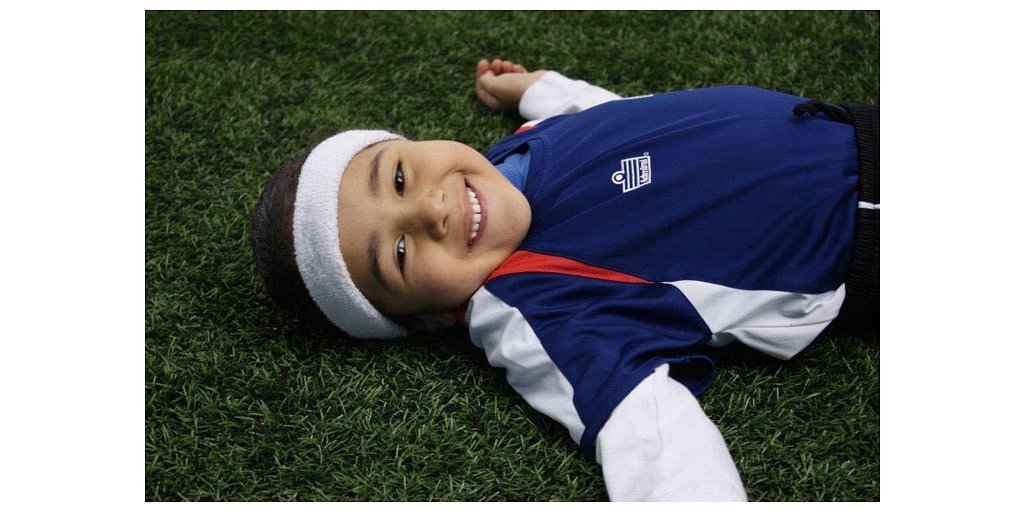
Dove's World Cup Goal: Tackling the Body Image Crisis in Girls' Sports
TORONTO, ON – June 22, 2026
As the global sports world gears up for the FIFA World Cup 2026™, the sponsorship announcements and marketing campaigns are arriving in force. Yet, amidst the usual fanfare, one of the event's Official Sponsors is making a play that extends far beyond brand visibility. Unilever’s Dove has launched #TheGameIsOurs, a campaign that uses the world’s biggest sporting stage not to sell soap with images of athletic prowess, but to confront a deeply unsettling statistic: that 1 in 2 girls who quit sports do so because of criticism about their bodies. This isn't just marketing; it's a strategic intervention, a calculated move to own a conversation that strikes at the heart of youth, confidence, and the very meaning of sport.
The Silent Pressure on the Sidelines
The joy of the game is often overshadowed by a silent, pervasive pressure that has little to do with performance. For young female athletes, the transition into adolescence coincides with a period of intense physical and social scrutiny. Dove's commissioned research, a survey of nearly 5,000 children across seven countries, found that low body confidence is the primary driver pushing girls out of the sports they love. Independent studies echo this grim reality. Research presented at the American Academy of Pediatrics National Conference confirmed that girls drop out of sports by age 14 at twice the rate of boys, with body image issues and gender biases cited as major contributors.
This is not an abstract problem; it has a human face and a personal cost. The campaign brings forward the voices of celebrated Canadian soccer players who have navigated this terrain. Desiree Scott, an Olympic gold medalist, recalls the sting of comments like being told she had "tree trunks for legs"—a criticism aimed at the very source of her power on the field. “Sport has given me some of the greatest moments of my life, but I've also experienced criticism and body shaming along the way,” Scott stated, framing her partnership with Dove as a mission to protect the next generation. Today, she views her powerful body as a source of pride, but the journey to that confidence was fraught.
Rising star Olivia Smith, a forward for Arsenal W.F.C., shared a similar narrative of early-career uncertainty. “When I was younger, there were times when comments or situations made me question if I belonged on the field,” Smith said. “When you're young and still building self-confidence, that can be hard to navigate.” Her message is one of resilience and a return to the core of sport: "the joy of playing, the competition, the friendships." The intent behind amplifying these stories is clear: to validate the experiences of countless girls and show that even elite athletes are not immune to such pressures.
A Strategic Play for Purpose
For Dove, this campaign is a masterful execution of its long-term brand strategy. Since the launch of its "Real Beauty" campaign and the subsequent Dove Self-Esteem Project in 2004, the brand has methodically built its identity around body confidence. The #TheGameIsOurs initiative is not a pivot but a logical and powerful extension of this core mission into a new, high-stakes arena. By sponsoring the FIFA World Cup 2026™, the company gains an unparalleled global platform to embed its message of purpose.
This is cause-related marketing at its most sophisticated. Instead of simply placing a logo on a banner, the brand is leveraging its sponsorship to address a systemic issue directly relevant to the event's audience. “My three daughters and I can’t wait to watch the World Cup, and I know how much the game means to millions of girls worldwide,” explained Marcela Melero, Chief Growth Officer for Dove Personal Care North America. “That’s why Dove is giving them a platform, not to teach them to love football – they already do – but to feel heard, seen and confident enough to keep playing.”
This move signals a deep understanding of the modern consumer, who increasingly expects brands to stand for more than just their products. The campaign is backstopped by the Dove Self-Esteem Project, which aims to have provided self-esteem education to 250 million young people by 2030. This long-term commitment lends authenticity to the World Cup initiative, framing it as part of a sustained effort rather than an opportunistic marketing ploy. The commercial component—a limited-edition Dove x FIFA World Cup 2026™ product line—becomes the engine that funds the mission, a transparent link between commerce and cause.
Coaching Confidence, Not Criticism
Identifying a problem is one thing; providing a scalable solution is another. The operational heart of Dove's campaign is the Body Confident Sport Program, a set of free, research-backed coaching tools developed in partnership with Nike and academic experts from the Centre for Appearance Research and the Tucker Center for Research on Girls & Women in Sport. This isn't a vague pledge; it's a tangible resource designed to change the environment where body criticism often festers.
The program's focus on coaches is deliberate and data-driven. The brand's research found that 74% of girls feel more confident because of their coach, and 61% would welcome body confidence education from them. Coaches are gatekeepers of team culture, and their words carry immense weight. An offhand comment about weight or appearance, however well-intentioned, can derail a young athlete's confidence. The program equips these influential figures with clinically validated methods to shift the conversation from how a body looks to what it can do. It provides specific modules on navigating body talk, understanding physical changes, and fostering an environment where every athlete feels they belong.
The program has been scientifically proven in trials with over 1,200 girls to improve self-esteem and body confidence. By making these tools freely accessible online, Dove and its partners are attempting to democratize an evidence-based approach to a problem that has long been addressed with anecdotal advice at best. It represents a strategic move to empower the adults in the room to become part of the solution.
Beyond the Brand: A Broader Conversation
While Dove is spearheading this specific campaign, the issue it addresses is an endemic challenge within youth athletics. Sports psychologists have long warned that while participation can foster a positive body image, the intense pressure of competitive environments—often amplified by revealing uniforms and a focus on leanness—can significantly increase the risk of body dissatisfaction. A 2024 NCAA study starkly illustrated the gender divide, finding that female student-athletes were far more likely than their male counterparts to perceive themselves as overweight and feel pressure to change their bodies.
Experts in youth development suggest that initiatives like the Body Confident Sport Program are crucial because they offer a protective buffer. They shift the cultural narrative within a team from one of judgment to one of support, focusing on skill development, teamwork, and the inherent joy of physical activity. By training coaches to be agents of confidence, the program helps create environments where girls are more likely to stay engaged through the vulnerable adolescent years.
Ultimately, Dove's #TheGameIsOurs campaign is a powerful signal of intent. It demonstrates a sophisticated understanding that in the modern economy, true influence is wielded not just through market share, but through cultural relevance and a credible commitment to social good. By using the world's most popular sporting event as a backdrop, the company is forcing a necessary and overdue conversation about how we define victory for the next generation of female athletes, ensuring the game truly belongs to everyone who loves to play it.