
- UV exposure is the second-largest source of hair damage, second only to harsh chemical processing like bleaching.
- The new Dove UV Repair & Glow Collection claims to repair up to 99% of accumulated UV damage and provide up to 70 hours of protection with repeated use.
- Only 18% of people actively protect their hair from the sun, highlighting low consumer awareness.
Experts agree that UV exposure is a significant but often overlooked cause of hair damage, and Dove's new line represents a scientifically backed effort to address this gap in consumer haircare routines.
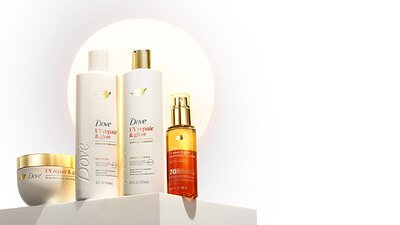
Dove Targets Unseen Hair Damage with New UV Protection Line
HOBOKEN, NJ – April 30, 2026 – For years, the beauty mantra has been clear: wear sunscreen daily to protect your skin. Now, a leading global brand is asking a simple but disruptive question: what about your hair? Dove is stepping into this largely uncharted territory with the launch of its UV Repair & Glow Collection, a new line designed to combat what the company identifies as the second-largest source of hair damage—prolonged exposure to the sun's ultraviolet rays.
The launch aims to shift consumer perception and daily habits by highlighting an often-overlooked aggressor. While heat styling and chemical treatments are commonly blamed for hair woes, scientific consensus confirms that daily UV exposure silently degrades hair's protein structure. This leads to increased dryness, dullness, color fading, and brittleness over time. With this new collection, Dove is not just launching products; it's spearheading an educational campaign to bring the concept of sun protection from our skin to our strands.
The Science of an Unseen Threat
Most people don't think twice about spending time outdoors, but the impact of UV radiation on hair is significant and scientifically documented. Unlike the immediate, visible effects of a sunburn on skin, UV damage to hair is cumulative and insidious. UVA and UVB rays penetrate the hair shaft, breaking down the essential protein keratin and compromising the protective outer cuticle. This process generates free radicals, leading to what experts call “photo-damage.”
Research validates the claim that UV exposure is a primary cause of hair degradation, second only to the harsh chemical processing of bleaching. Studies in trichology show that this damage can be up to four times more significant than other common stressors over the long term. Lighter and non-pigmented hair are particularly vulnerable, but all hair types are susceptible to a loss of strength, elasticity, and shine from the sun.
"This range was inspired by a simple truth: we've gotten so used to protecting our skin, but hair has largely been left out of that conversation," said Emily Barfoot, Head of Dove U.S., Beauty and Wellbeing, in the official announcement. "We knew that UV exposure is one of the top causes of hair damage and we set out to address two things; how to repair hair from internal UV damage and how to protect it from future damage."
A New Standard: HPF 70 and the 'Skinification' of Hair
At the heart of Dove's new line is a proprietary technology dubbed HPF 70, or Hair Protection Factor 70. This system is designed to provide up to 70 hours of protection against internal UV damage with repeated use, while simultaneously repairing up to 99% of accumulated damage. This dual-action approach—repair and protect—is central to the brand's strategy to differentiate itself in a crowded market.
The collection includes a shampoo, conditioner, a 10-in-1 Radical Recovery Mask, and the hero product: the UV Repair & Glow Bi-Phase Serum + Oil. This lightweight leave-in spray utilizes a Ferulic Serum and micro-oil droplets to create a protective shield that also boosts shine and resilience.
This launch is a prime example of a dominant industry trend known as the “skinification” of hair, where sophisticated ingredients and scientific concepts from skincare are being adapted for haircare. Just as consumers have become fluent in terms like SPF, hyaluronic acid, and retinol for their faces, brands are betting they will embrace a more scientific approach to their hair. The introduction of a quantifiable metric like “HPF” is a deliberate move to mirror the familiar language of sun protection and build consumer trust through science.
Navigating a Growing Market
Dove is not the first brand to offer UV protection for hair. A growing number of niche and prestige brands, including Aveda, Oribe, and Rahua, have products that feature UV filters and protective botanicals. These offerings range from leave-in veils and finishing serums to multi-purpose oils. However, the market remains fragmented, and consumer awareness is relatively low—one study by Philip Kingsley found that only 18% of people actively protect their hair from the sun.
Where Dove aims to disrupt the category is through scale, education, and accessibility. By launching in mass-market retailers like Target and Walmart, the brand is positioning UV hair protection not as a luxury or a niche seasonal item, but as an essential part of a daily, year-round routine. The focus on repairing existing damage, a claim backed by a specific percentage (99%), also sets it apart from many competitors that focus primarily on prevention.
The strategy appears to be resonating with industry experts. Before even hitting all store shelves, the UV Repair & Glow Collection has already garnered a slate of 2026 beauty awards from major publications, including Harper's Bazaar, Good Housekeeping, and ELLE. This early industry validation lends significant credibility to the technology and signals a potential shift in what consumers and critics consider a complete haircare routine.
This strategic launch aligns perfectly with the broader innovation goals of its parent company, Unilever, which has been pivoting its personal care portfolio toward science-backed, high-growth categories. By identifying and aiming to solve a significant but under-addressed consumer problem, Dove is doing more than just selling shampoo; it is attempting to redefine a fundamental aspect of hair health for the mainstream market. The success of this line could determine whether “hair sunscreen” becomes as ubiquitous as its skincare counterpart.