
- 41% of consumers experience subscription fatigue
- Meal kit sector faces customer churn rates exceeding 60% within six months
- Average U.S. household juggles 12 paid subscriptions
Experts would likely conclude that the meal delivery industry is at a crossroads, with consumer demand for flexibility and control challenging the traditional subscription model's dominance.
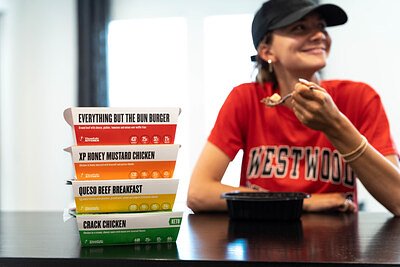
Ditching the Subscription: One Company Bets on Ending Auto-Renew Fatigue
WILMINGTON, N.C. – March 06, 2026 – In an era defined by recurring charges for everything from streaming to software, a growing sense of “subscription fatigue” is taking hold among consumers. Now, one national company is leveraging that sentiment to challenge the financial foundation of the prepared meal delivery industry. Clean Eatz Kitchen, a meal delivery and retail brand, has released a report asserting it is the sole major national player to operate without requiring customers to sign up for a weekly subscription, a move that directly confronts the business models of its largest competitors.
According to the company's independent comparison, industry giants like Factor, CookUnity, BistroMD, and Trifecta all operate on a subscription-first basis, utilizing automatic weekly billing and shipping. This model, while providing predictable revenue for the companies, is coming under increased scrutiny as consumer demand for flexibility grows. Citing a 2025 study, the report highlights that 41 percent of consumers now experience subscription fatigue, with the meal kit sector facing customer churn rates exceeding 60 percent within just six months. With the average U.S. household juggling 12 paid subscriptions, the appeal of a service that doesn’t add to that monthly burden is clear.
The Subscription Straitjacket
The prevailing business model in the prepared meal delivery space is built on convenience, but it often comes with constraints. Services like Factor, which charges between $11 and $14 per meal, and CookUnity, with a similar price point, are structured around auto-renewing plans. While they offer customers the ability to skip weeks or pause their service, the responsibility falls on the consumer to actively manage their account before a weekly cutoff deadline to avoid unwanted charges and deliveries. Failure to do so results in a box of meals arriving—and a corresponding credit card charge—whether the customer is home, has other dinner plans, or simply forgot.
This system can create frustration and financial friction. Research confirms that many consumers underestimate their total monthly subscription spending, and unexpected auto-renewals are a common complaint across industries. In the meal delivery category, this is compounded by the perishable nature of the product. Freshly prepared meals, a hallmark of many subscription services, typically expire within four to seven days. An unplanned shipment can lead directly to food waste if a customer's schedule changes, a problem that a rigid weekly delivery schedule can exacerbate.
BistroMD and Trifecta follow a similar pattern, requiring weekly auto-delivery with mandatory shipping fees or minimums. While these companies provide a valuable service for those seeking consistent, structured meal planning, their model inherently prioritizes recurring revenue over on-demand purchasing. This reliance on customer inertia is precisely what Clean Eatz Kitchen aims to dismantle.
A Strategic Play in a Crowded Market
By eschewing subscriptions entirely, Clean Eatz Kitchen is making a calculated bet that flexibility is the new frontier of convenience. The company’s model is straightforward: customers order meals when they want them, with no contracts, no recurring charges, and no cancellation process because there is nothing to cancel. This approach directly addresses the primary pain points associated with the subscription economy—unwanted charges, difficult cancellation processes, and the mental load of managing another recurring payment.
"We built Clean Eatz Kitchen around a simple idea: you should buy meals when you need them and not buy them when you don't," said Jason Nista, the company's CEO, in a recent statement. "Every other service in this space profits from inertia—they make it easy to sign up and hard to stop. We don't think that's how food should work."
This strategic pivot creates a significant point of differentiation in a fiercely competitive market. While rivals compete on menu variety, dietary niches, and ingredient quality, Clean Eatz Kitchen is competing on the very structure of the transaction. Their meals, which start at a lower price point of $7.50 and are flash-frozen to extend shelf life to several months, further enhance this value proposition. The frozen format untethers the customer from the pressure of a weekly consumption deadline, adding another layer of flexibility that directly counters the food waste issue common with fresh-meal subscriptions.
While the subscription model offers companies financial predictability, the no-commitment approach forces a greater reliance on consistent product quality and customer satisfaction to drive repeat business. Instead of capturing revenue through automated billing, the company must continually earn each purchase, placing the power squarely in the hands of the consumer.
Beyond Convenience: The Demand for Consumer Control
The shift highlighted by Clean Eatz Kitchen’s strategy reflects a broader evolution in consumer behavior. The initial appeal of meal delivery was rooted in outsourcing the work of meal planning and preparation. However, as the market has matured, a more discerning customer has emerged—one who values not just convenience, but also control, transparency, and value. Online forums and review sites are filled with discussions from consumers seeking ways to try services without committing, or expressing frustration with rigid delivery schedules that don't align with modern life's unpredictability.
The demand is for a service that fits into the customer's life, not the other way around. This includes accommodating last-minute travel, spontaneous dinners out, or fluctuating weekly budgets. A model that allows a customer to stock their freezer with dietitian-designed, macro-counted meals and use them as needed offers a different kind of convenience—one based on empowerment rather than obligation.
Clean Eatz Kitchen is tapping into this desire for autonomy with its diverse menu plans, including options for Weight Loss, High Protein, and the increasingly popular GLP-1 diet support category, all available without a subscription. By offering these specialized plans on an a-la-carte basis, the company signals that consumer choice can coexist with targeted nutritional goals. As consumers become increasingly weary of being locked into services, the question is whether the industry's subscription-reliant giants will adapt or risk losing customers to more flexible alternatives. For now, the market offers a clear choice: the automated convenience of a subscription or the empowered freedom of buying on demand.