
- 10,930 sq. ft. facility with 3 operating rooms and 11 patient care bays
- 200+ patients analyzed in DISC study (2018-2024) with 0 hospital transfers and 100% discharge within 24 hours
- $38 billion annual savings projected for U.S. healthcare system from ASC shift
Experts agree that the shift to outpatient spine surgery centers like DISC Tarzana represents a clinically safe, cost-effective evolution in surgical care, supported by strong outcomes data and growing industry adoption.
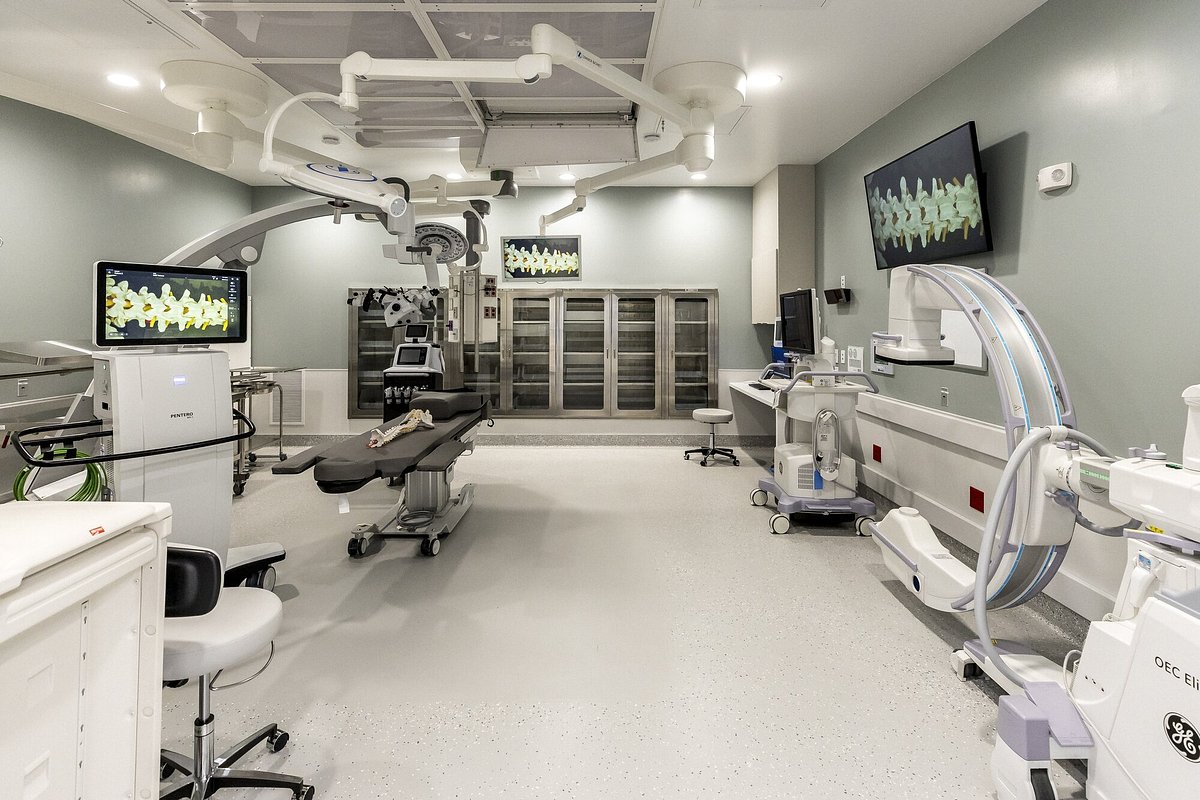
DISC Tarzana Opens, Shifting Complex Spine Surgery to Outpatient Care
TARZANA, CA – January 20, 2026 – A new state-of-the-art ambulatory surgery center has opened its doors in the San Fernando Valley, signaling a significant step in the ongoing evolution of surgical care. TriasMD, the parent company of the DISC Surgery Centers, announced today the opening of DISC Surgery Center at Tarzana, a facility purpose-built to handle complex spine, joint, and interventional pain procedures outside of a traditional hospital setting.
The center has already earned full accreditation from the Accreditation Association for Ambulatory Health Care (AAAHC), a rigorous certification that confirms compliance with the highest national standards for patient safety and quality of care. This accreditation is crucial, as it provides the quality assurance necessary for performing advanced procedures—such as spinal fusions and artificial disc replacements—in an outpatient environment.
A New Hub for Advanced Care in the Valley
Located at the prominent intersection of Ventura Boulevard and Lindley Avenue, the 10,930-square-foot surgery center is a significant addition to the local healthcare landscape. It features three high-technology operating rooms and 11 patient care bays, including private preoperative rooms and a post-anesthesia care unit. The facility is co-located within a new medical building that also houses DISC's comprehensive spine and musculoskeletal clinic, creating an integrated patient experience from diagnosis through recovery.
For the more than two million residents of the San Fernando Valley, the center’s opening expands access to specialized care for musculoskeletal conditions, which affect over half of American adults and are a leading cause of disability. The region's demographics, which include a large and aging population, suggest a sustained high demand for such services. The new DISC center enters a competitive market that includes major hospital systems like Providence Cedars-Sinai Tarzana Medical Center, but it aims to distinguish itself by focusing exclusively on high-acuity outpatient procedures, including motion-preservation techniques that were once confined to inpatient hospital stays.
The facility's design, a collaboration between general contractor Turner Construction and TriasMD Executive Architect John Gresko, emphasizes clinical efficiency and patient safety. Meticulous specifications for sterilization, advanced air filtration, and infection prevention are integrated into the center’s core infrastructure, creating a highly controlled surgical environment.
The National Migration of Surgery from Hospital to ASC
The opening of DISC Surgery Center at Tarzana is a prime example of a powerful national trend: the migration of complex surgeries from hospitals to ambulatory surgery centers (ASCs). Advances in minimally invasive surgical techniques, refined anesthesia protocols, and sophisticated postoperative care management have made it possible to safely perform procedures like total knee replacements and multi-level spinal fusions on a same-day basis for appropriately selected patients.
Industry data supports this shift. Studies show that ASCs have significantly lower rates of surgical site infections compared to hospitals. Furthermore, the specialized nature of ASCs often leads to greater efficiency and higher patient satisfaction. A data analysis from other DISC locations provides compelling evidence of this model's success. Between 2018 and 2024, an analysis of over 200 patients who underwent advanced lumbar fusion surgery at a DISC facility showed low complication rates, no required hospital transfers after surgery, and universal discharge within 24 hours.
This trend is projected to accelerate, with some analysts predicting that by 2028, the vast majority of spinal decompressions and a significant portion of cervical spinal fusions will be performed in outpatient settings. For patients, the benefits extend beyond clinical outcomes to include a more convenient and comfortable recovery at home, reduced stress, and lower out-of-pocket costs.
TriasMD's Blueprint for National Expansion
The Tarzana facility is not an isolated project but a key component of a broader, aggressive growth strategy by parent company TriasMD, which is backed by healthcare investment advisor Chicago Pacific Founders. DISC Surgery Center at Tarzana is the seventh operating facility in the Trias Global network in California, with an eighth center scheduled to open later this year in West Palm Beach, Florida, marking the company's first expansion beyond the Golden State.
TriasMD operates as a physician-centric management company, building its network by partnering with top-tier surgeons and investing heavily in the technology and infrastructure needed to support high-acuity outpatient surgery. This model aims to standardize quality and deliver superior outcomes while driving down costs.
"Every aspect of this facility reflects careful clinical and operational planning," explained TriasMD CEO James H. Becker in a statement. "But what ultimately drives outcomes is the coordinated work of surgeons, nurses, scrub technicians, and clinical teams within an integrated system that supports patients from initial evaluation through recovery."
Balancing Quality, Access, and Cost
Underpinning the entire outpatient surgery movement are powerful economic incentives for patients, insurers, and the healthcare system as a whole. Procedures performed in ASCs are substantially more cost-effective than those done in hospital outpatient departments (HOPDs). According to industry data, Medicare pays ASCs approximately 53% of the rate it pays hospitals for the same procedures, a disparity that generates billions in annual savings.
These system-wide savings translate into lower costs for patients, who often face smaller deductibles and coinsurance payments. The shift to ASCs is estimated to save the U.S. healthcare system over $38 billion each year, with a significant portion of that directly benefiting consumers. For payers, the cost-efficiency of ASCs is a compelling reason to encourage their use, often through innovative reimbursement models like bundled payments that reward value and positive outcomes.
The AAAHC accreditation serves as a critical linchpin in this model, assuring payers and patients that the lower cost does not come at the expense of quality or safety. As TriasMD moves forward with its national expansion, this combination of verified quality, improved patient experience, and economic efficiency provides a formidable blueprint for the future of surgical care. The company expects to announce the physician partners and key clinical leadership for the Tarzana location in the coming weeks, officially launching its next chapter of service to the community.