
- 11,000 educational videos viewed and 7,500 interactive activities completed in a 30-day pilot program at Sacramento County Adult Correctional Health.
- Three-year reincarceration rates have declined significantly over the past decade, according to the Bureau of Justice Statistics and the Council of State Governments Justice Center.
Experts agree that digital rehabilitation tools, when combined with evidence-based practices like cognitive behavioral therapy and vocational training, can significantly improve rehabilitative outcomes and reduce recidivism.
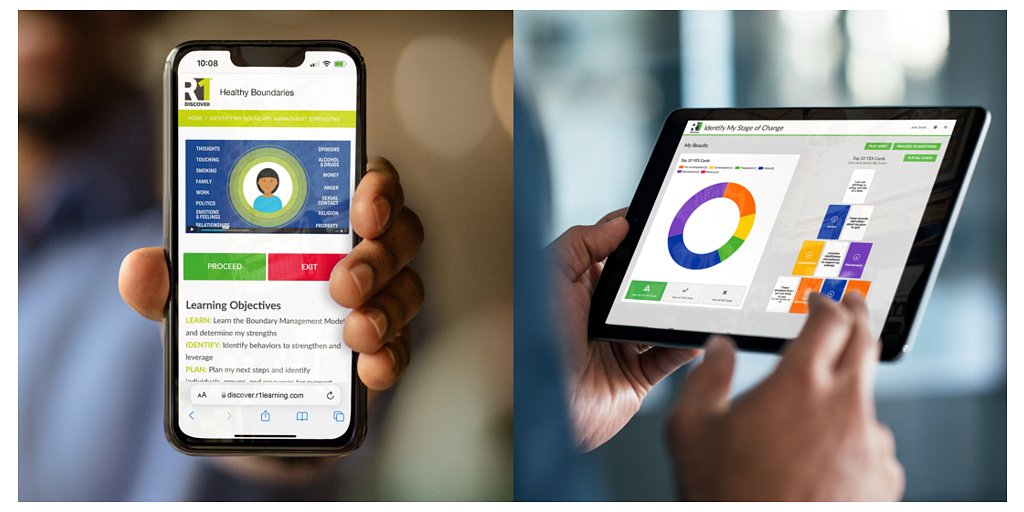
Digital Rehab: Can Prison Tablets Remake Rehabilitation?
PLANO, TX – February 05, 2026 – In an ambitious move to digitize rehabilitation, correctional technology giant Securus Technologies is rolling out evidence-based behavioral health programs directly onto the tablets of incarcerated individuals. The new partnership with R1 Learning aims to deliver structured cognitive-behavioral therapy, a service traditionally confined to in-person group sessions, to potentially thousands of people behind bars, promising a solution to chronic staffing shortages while raising complex questions about the role of private enterprise in the pursuit of public good.
A New Frontier for Mental Wellness
At the core of the initiative is R1 Learning's curriculum, a digital suite of lessons and activities rooted in established therapeutic practices. The program draws heavily from Cognitive Behavioral Therapy (CBT) and Dialectical Behavior Therapy (DBT), frameworks designed to help individuals identify destructive patterns in thought and behavior, build coping skills, and improve decision-making. R1 Learning's materials are structured to enhance vocabulary around emotional triggers, regulation, and communication, all foundational elements for personal change and successful reentry.
This digital delivery model represents a significant operational shift for correctional agencies, which are often caught between legislative mandates to improve rehabilitative outcomes and the stark reality of budget constraints and understaffing. By embedding these programs onto its secure tablets, Securus offers a scalable solution that bypasses the logistical hurdles of scheduling, space, and personnel required for traditional classes.
“Correctional leaders are increasingly seeking solutions that simplify operations and improve outcomes,” said Sherif Shafi, Senior Director of Growth & Innovation, Securus Technologies, in a statement announcing the partnership. “By embedding R1 Learning directly into the Securus tablet ecosystem, we’re helping facilities expand access to high‑quality programming in a way that supports both operational needs and the wellbeing of individuals in custody.”
Early results from a 30-day pilot program at Sacramento County Adult Correctional Health suggest strong user uptake. The trial saw more than 11,000 educational videos viewed and 7,500 interactive activities completed, amounting to thousands of hours of structured programming delivered without adding to the workload of facility staff. Tianna Hammock, a health services administrator with the county, noted that feedback was "overwhelmingly positive," with incarcerated individuals expressing appreciation for the constructive resource.
The Business of Rehabilitation
The partnership arrives at a time of intense scrutiny for the correctional technology industry and for Securus in particular. As a dominant player in the market, the Aventiv subsidiary has faced years of criticism from advocacy groups like the Prison Policy Initiative for its business practices. Historically, the company drew fire for high per-minute call rates that placed a significant financial burden on the families of incarcerated people and for contracts that, until a policy change in 2018, sometimes required facilities to eliminate in-person visits in favor of the company's video visitation systems.
While federal and state regulations have begun to cap call rates, the economics of prison technology remain complex. The introduction of sophisticated services like digital therapy raises new questions about cost and access. Will these programs be provided free of charge, or will they become another user-funded service in a system where resources are already scarce? Securus has recently piloted subscription-based calling plans aimed at reducing costs, a move that suggests an awareness of public pressure, but the financial model for its broader suite of tablet-based services remains a central point of interest for reformers.
The market for digital rehabilitation is not a monolith. Securus and R1 Learning face competition from providers with different models, such as the non-profit Edovo, which claims to be the largest learning platform for incarcerated people and provides its educational and vocational content for free. Other companies like HomeWAV also offer tablets with mental health and educational programs, citing data from a Pima County, Arizona facility that linked tablet use to a dramatic reduction in suicide attempts and assaults. This growing field highlights a widespread consensus that technology can be a powerful tool, but the debate over how it should be implemented—and by whom—is far from settled.
A Tool in the Broader Push for Reform
This digital push is unfolding against a backdrop of a nationwide effort to reduce recidivism. Data from the Bureau of Justice Statistics and the Council of State Governments Justice Center shows a promising trend, with three-year reincarceration rates declining significantly over the past decade. This progress is often attributed to a combination of federal and state investment in reentry programs and a growing emphasis on evidence-based practices that target the root causes of criminal behavior.
Experts agree that effective rehabilitation involves more than just one intervention. Research consistently shows that a combination of cognitive behavioral therapy, education, vocational training, and maintaining strong family ties is most effective at reducing an individual's likelihood of returning to prison. Digital platforms are increasingly seen as a way to deliver these varied resources efficiently and at scale. State-run initiatives, such as the Massachusetts Department of Correction’s program providing tablets with free access to job training and educational courses, demonstrate that this trend extends beyond the private sector.
By placing therapeutic tools directly in the hands of incarcerated individuals, the Securus and R1 Learning partnership aligns with this broader movement. "R1 was built to meet individuals where they are,” stated R1 Learning's founder, Tom Karl. The collaboration leverages the vast reach of the Securus platform to make these tools accessible in a secure and scalable manner. It represents a bet that technology can not only help manage prison populations more efficiently but can also equip individuals with the internal resources needed for genuine, lasting change, ultimately contributing to safer communities for everyone.
Topics & Related
ESG
Remote & Hybrid Work
Artificial Intelligence
Machine Learning
Revenue
EBITDA
Software & SaaS
Mental Health
ChatGPT
Related Company Pulse