
- 16,000 km of signposted cycling routes in Denmark
- 2.2 million bike trips daily
- DKK 7.8 billion (€1 billion) annual revenue from cycle tourism
Experts agree that Denmark's 'Danish Wheelness' initiative effectively leverages its strong cycling infrastructure and culture to promote health, sustainable tourism, and economic growth.
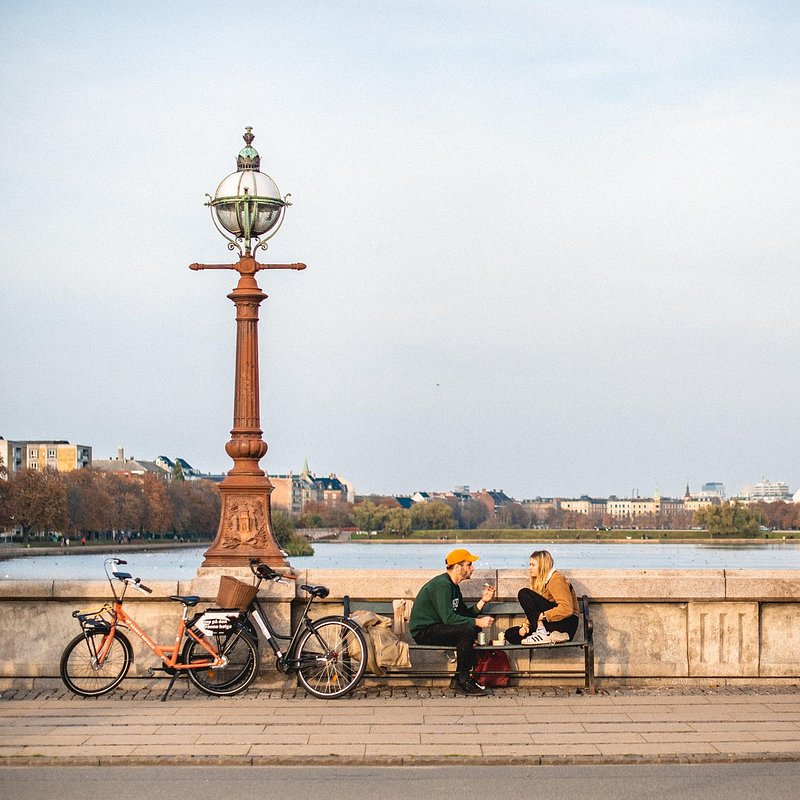
Denmark's 'Wheelness' Push: Pedaling to Health and Tourism Gold
COPENHAGEN, Denmark – May 28, 2026 – On the occasion of World Bicycle Day, Denmark is rolling out a new vision for tourism that is deeply rooted in its national identity: "Danish Wheelness™." The initiative, spearheaded by the country's official tourism organization, VisitDenmark, aims to rebrand the simple act of cycling into a holistic experience of wellness, sustainable travel, and cultural immersion.
This new registered trademark concept cleverly merges “wheel” and “wellness,” positioning Denmark's pervasive bike culture not just as a mode of transport, but as a pathway to physical and mental wellbeing. With more than 16,000 kilometers of signposted cycling routes and a culture where 2.2 million bike trips happen daily, the nation is betting that its two-wheeled lifestyle is a unique and powerful draw for international visitors.
The Prescription for Wellbeing
At the core of the "Danish Wheelness" initiative is the scientifically-backed link between cycling and health. The campaign highlights that in Denmark, cycling is not a chore or a high-performance sport, but a naturally integrated part of a happy and healthy life. This approach is supported by extensive research validating the profound benefits of regular cycling.
“Cycling works like a natural antidepressant,” explains Danish Professor of Integrative Medicine Bente Klarlund Pedersen, whose research is a cornerstone of the initiative's wellness claims. Pedersen’s work suggests that when cycling, muscles convert stress-related substances into a harmless form that cannot negatively affect the brain. This physiological process supports the idea that physical activity is a powerful tool for mental clarity and stress reduction.
The health claims extend far beyond mood enhancement. Scientific studies have repeatedly shown that regular cycling significantly improves cardiovascular fitness, reduces the risk of chronic diseases like type 2 diabetes, aids in weight management, and is a low-impact exercise that is gentle on joints. For a nation consistently ranked among the world's happiest, the connection between daily movement and overall quality of life is not just a marketing slogan, but a lived reality.
A Two-Wheeled Economic Engine
Beyond the wellness narrative, "Danish Wheelness" is a calculated economic strategy. VisitDenmark aims to leverage the country's world-class cycling infrastructure to capture a larger share of the lucrative and growing global market for active and sustainable tourism. While Denmark was a cycling tourism pioneer in the 1990s, it has since faced stiff competition from countries like the Netherlands, Austria, and France. This initiative marks a concerted effort to reclaim a leadership position.
The economic stakes are significant. A 2017 study by the tourism board found that Denmark hosted 1.7 million cycle tourists, who generated a turnover of DKK 7.8 billion (approximately €1 billion), accounting for over 7% of the total tourism revenue. These visitors, predominantly from Germany, are known for staying longer and spending more in local communities, making them a highly desirable demographic.
The foundation for this economic push is already in place. Copenhagen, where an estimated 45% of residents commute by bike, has invested over $200 million in its cycling infrastructure over the last decade, creating a network of segregated cycle paths and innovative "bike superhighways." This urban model is replicated nationwide, with a vast network of routes like the 820 km Baltic Sea Cycle Route and the 560 km West Coast Cycle Route. These routes offer safe, accessible, and scenic experiences that are a key competitive advantage in a market where safety and convenience are paramount.
Experiencing Authentic Denmark
Perhaps the most compelling aspect of the "Danish Wheelness" concept is the promise of authentic cultural immersion. The initiative encourages visitors to trade the tour bus for a bicycle, inviting them to experience the country at a slower, more human pace. This approach aligns with the growing "slow travel" movement, which prioritizes connection over checklists.
By cycling, visitors can move beyond the main tourist hubs and engage directly with local life. The program highlights a diverse range of experiences, from urban exploration to countryside escapes. Travelers can follow the 22 km architectural BIG bike tour in Copenhagen, which showcases the work of star architect Bjarke Ingels, or venture into Mols Bjerge National Park to ride the 34 km Ørnbjergruten through rolling Ice Age landscapes. Other curated routes invite cyclists to explore royal history along the 75 km Castle Route in North Zealand or discover Viking heritage sites along the 275 km Fjord Route.
This mode of travel inherently supports local economies, as cyclists stop in small towns for meals, supplies, and accommodation, distributing tourism revenue more evenly across the country. It also promotes environmental sustainability—a key pillar of Denmark's national brand. By encouraging a zero-emission form of transport, the initiative reinforces Denmark’s commitment to green solutions and responsible tourism.
As the country prepares for events like the World Tour cycling race Copenhagen Sprint in mid-June, the message is clear. "Denmark offers a wide range of cycling routes and events to discover," says Line Nøhr Kobzili, CMO at VisitDenmark. "Copenhagen Sprint is a great example of how cycling brings people together, supported by strong infrastructure and a long-standing cycling culture." Through "Danish Wheelness," Denmark is not just selling a vacation; it's inviting the world to experience a way of life.