
- 82,000 loan applications facilitated by the Commercial Data Interchange (CDI) since 2022, totaling HK$66.4 billion in funding for SMEs
- 98% of businesses in Hong Kong are SMEs, benefiting from streamlined trade finance processes
- 2030 target for full implementation of Project CargoX's digital trade transformation
Experts agree that Hong Kong's adoption of globally interoperable data standards and digital infrastructure is critical to enhancing trade efficiency, reducing SME financing barriers, and maintaining its competitive edge as a global trade hub.
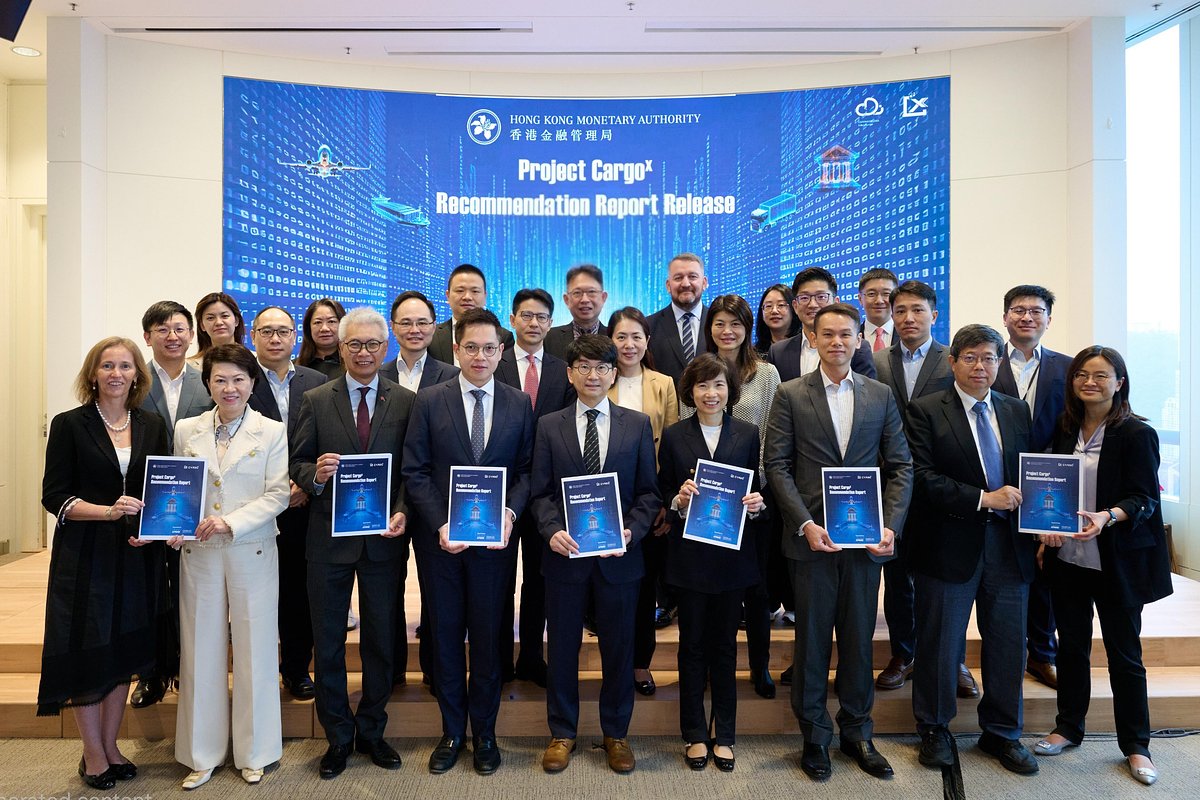
Data Standards Fuel Hong Kong's Push to Digitize Global Trade
HONG KONG – January 19, 2026 – Hong Kong has unveiled an ambitious blueprint to cement its position as a premier global trade hub, leveraging the power of digital data to overhaul its supply chain and trade finance ecosystems. The Hong Kong Monetary Authority (HKMA) today released the "Project CargoX Recommendation Report," a strategic roadmap developed in collaboration with industry leaders, outlining 20 concrete recommendations to create a more transparent, efficient, and interconnected trade environment.
At the heart of this initiative is the call for globally interoperable data standards, a move championed by organizations like GS1 Hong Kong, which served on the project's expert panel. The report's vision is built on three core pillars—Data, Infrastructure, and Connectivity—and aims to resolve long-standing friction points in trade finance, particularly for the city's vital small and medium-sized enterprise (SME) sector.
A Blueprint for Digital Dominance
Project CargoX represents a pivotal step in Hong Kong's broader "Fintech 2030" strategy, moving beyond theoretical discussions to present an actionable plan for digital transformation. The report's recommendations are designed to create a trusted, data-driven ecosystem that can handle the complexities of modern global commerce.
Data: The plan calls for integrating strategic government cargo and trade data sources, enabling access to historical transaction data. This rich data pool will allow financial institutions to automate and refine credit assessments, moving away from cumbersome, paper-based processes.
Infrastructure: A key focus is the development of robust digital trade infrastructure that supports paperless transactions. This includes enhancing the HKMA's next-generation Commercial Data Interchange (CDI), a consent-based platform that acts as a central nervous system for secure data sharing.
Connectivity: The strategy emphasizes strengthening digital links with key trading partners, most notably mainland China. By harmonizing data standards and systems, the goal is to create seamless cross-border trade flows, reducing delays and administrative burdens.
HKMA officials described the report as a "strategic blueprint and actionable roadmap" designed to boost efficiency and drive industry-wide innovation. The multi-year plan, with prioritized initiatives to be executed by 2030, signals a concerted effort to future-proof Hong Kong's status as a leading trade and finance center.
Unlocking Billions in Finance for SMEs
Perhaps the most immediate and tangible impact of this digital shift is the democratization of access to trade finance for SMEs, which form over 98% of businesses in Hong Kong. For years, many smaller firms have struggled to secure loans due to a lack of traditional collateral and the extensive paperwork required by banks.
The Commercial Data Interchange (CDI) is already changing this reality. Since its launch in 2022, the platform has become a critical piece of financial infrastructure, facilitating over 82,000 loan applications totaling a staggering HK$66.4 billion. With 26 banks and 17 data providers now connected, the CDI allows SMEs to consent to sharing their operational data with lenders.
GS1 Hong Kong's ezTRADE platform, a B2B e-commerce network, is a key data provider for the CDI. By channeling electronic orders, invoices, and shipment notices into the system, it provides banks with a reliable stream of alternative data. This transactional history offers a clear, real-time picture of a company's health and creditworthiness, enabling faster and more accurate lending decisions, often without requiring physical assets as security. This data-driven approach is already credited with helping SMEs in logistics, food services, and retail secure vital funding with reduced paperwork and faster approval times.
The Common Language of Global Trade
Underpinning this entire digital ecosystem is the adoption of global data standards, which provide a "common language" for businesses, systems, and borders to communicate seamlessly. GS1, a global not-for-profit standards organization, provides the foundational identifiers that make this interoperability possible.
Standards like the Global Trade Item Number (GTIN)—universally recognized as the barcode on products—and the Global Location Number (GLN) for identifying business locations are critical. They enable every product, shipment, and party in a supply chain to be uniquely identified, captured, and tracked from factory floor to retail shelf. This granular data not only enhances logistical efficiency and traceability but also forms the trusted, verifiable information that banks need for trade finance.
"We believe that GS1 HK's ongoing initiatives and GS1 global standards are foundational to advancing the three pillars of Data, Infrastructure and Connectivity," said Ms. Anna Lin, Chief Executive of GS1 Hong Kong. The organization's role extends to promoting the use of GLNs as a corporate digital identifier, which could streamline Know-Your-Customer (KYC) processes for banks, further reducing friction in the financial system.
Forging Stronger Digital Corridors
The project's focus on connectivity is especially critical for Hong Kong's economic ties with mainland China. A key initiative involves facilitating the incorporation of GTINs into Hong Kong's Port Community System (PCS), a digital logistics platform launched in January 2026. This integration is designed to streamline trade declarations and enable seamless data exchange with China's own Single Window system, where GTINs are already a requirement for many import declarations.
This harmonization promises significant efficiency gains, reducing the risk of errors and delays in the crucial cross-border trade corridor. The effort is part of a wider, government-backed push to create a fully digital trade environment. This includes the phased implementation of a comprehensive Trade Single Window for all import/export documents and the pursuit of legal reforms, based on the UN's Model Law on Electronic Transferable Records (MLETR), to give digital trade documents the same legal standing as their paper counterparts.
This holistic approach, combining technological infrastructure, data standardization, and legal frameworks, demonstrates a unified commitment from government and industry. Moving forward, the focus will be on executing the report's recommendations and expanding the types of data available through the CDI.
As Ms. Lin noted, "GS1 HK is committed to supporting the report's initiatives and exploring ways to broaden CDI-enabled data sets with product and company information, as well as trade insights for banks. We will continue to work closely with the HKMA, government bodies and other stakeholders in the trade ecosystem to realize Hong Kong's vision of becoming a globally connected trade and supply chain hub."