
- $4M seed funding raised by Dam Secure
- 50% of AI-generated code may contain security vulnerabilities
- Potential 2500% increase in software defects by 2028 (Gartner)
Experts agree that AI-generated code introduces significant security risks that traditional tools cannot detect, necessitating specialized solutions like Dam Secure's proactive platform.
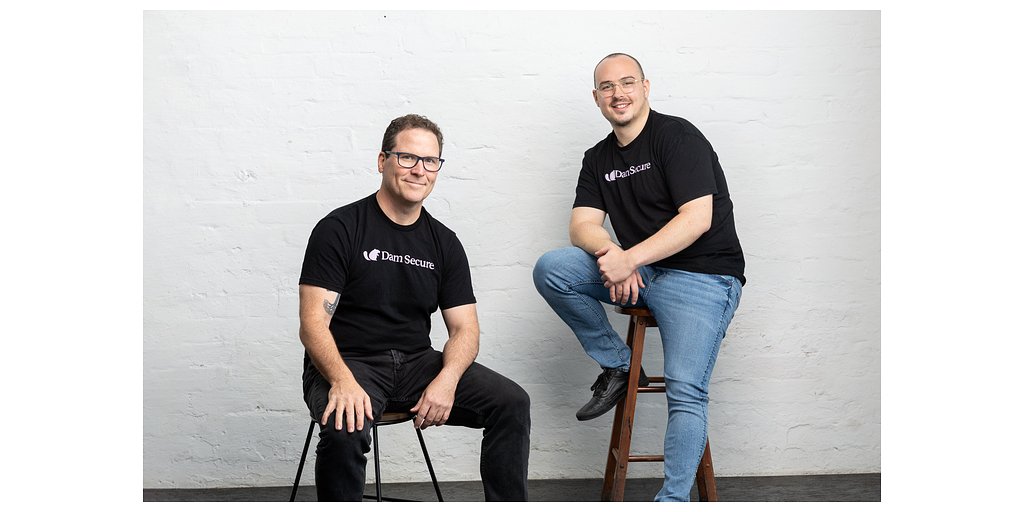
Dam Secure Raises $4M to Plug Critical Flaws in AI-Generated Code
SYDNEY & SAN FRANCISCO – January 20, 2026 – AI security startup Dam Secure has announced the closing of a $4 million seed funding round to tackle a rapidly growing threat in enterprise software: security vulnerabilities created by AI-generated code. The round was led by Paladin Capital Group, a prominent Washington, D.C.-based investor specializing in cybersecurity and artificial intelligence, signaling strong market confidence in the need for a new generation of security tools.
Founded by seasoned technology executives Patrick Collins and Simon Harloff, Dam Secure is developing an AI-native platform designed to proactively manage the risks associated with the mass adoption of AI coding assistants. The funding will be used to accelerate product development and expand the company's go-to-market efforts through 2026, addressing what its founders describe as a critical gap in modern application security.
The Hidden Dangers of AI-Driven Development
Enterprises are increasingly turning to AI coding tools to boost productivity and accelerate software delivery. However, this rush for developer velocity has introduced a new and insidious class of security risks. While AI models are adept at producing functional code, they often lack the contextual understanding to ensure it is secure, leading to subtle but dangerous flaws.
“Enterprises are rushing to adopt AI to increase developer velocity, but the volume of software being produced is overwhelming traditional application security processes,” said Patrick Collins, co-founder of Dam Secure. “Existing security tools generate too much noise to work effectively in this new environment."
Industry research substantiates these concerns. Studies show that when not explicitly constrained, large language models (LLMs) can introduce security vulnerabilities in as much as 50% of the code they generate. These are not typically simple bugs but complex “logic gaps” that elude traditional scanners. As Collins explained, these flaws can create breaches that “don’t rely on classic bugs, they exploit valid but flawed logic that existing ‘scan-and-patch’ tools simply cannot see.” This new threat vector is already being implicated in significant financial heists and widespread ecosystem attacks.
The scale of the problem is projected to grow exponentially. Technology research firm Gartner has warned that the widespread adoption of “prompt-to-app” development by 2028 could increase software defects by a staggering 2500%, potentially triggering a crisis in software quality and reliability. The Open Web Application Security Project (OWASP) has also responded to the threat by creating a dedicated “Top 10 for LLMs,” which highlights critical risks like prompt injection, data poisoning, and improper output handling, underscoring the urgent need for specialized security measures.
A New Paradigm for Application Security
Dam Secure aims to provide the necessary guardrails for this new era of software development. The company’s platform is built around an innovative engine that allows security and development teams to define and enforce security requirements using plain English. A policy such as “customer data must be encrypted at rest” can be expressed naturally and then automatically enforced across an organization’s entire codebase during the development process.
This approach represents a significant departure from traditional, reactive security scanning. Instead of identifying vulnerabilities after code has been written, Dam Secure’s platform integrates security directly into the developer workflow, preventing flawed code from ever entering production. By focusing on enforcing high-level security logic rather than just pattern-matching for known vulnerabilities, the platform is designed to catch the subtle, context-dependent flaws that AI is prone to creating.
This proactive stance is intended to bridge the gap between the speed of AI-driven innovation and the rigors of robust risk management. By making security policies accessible and automated, Dam Secure allows organizations to harness the benefits of AI coding tools without exposing themselves to unacceptable levels of risk, fostering a culture where speed and safety are not mutually exclusive.
A Strategic Bet on Secure AI
The decision by Paladin Capital Group to lead the seed round is a powerful endorsement of Dam Secure’s mission. As a multi-stage investor with a deep focus on cyber and advanced technologies for both commercial and government clients, Paladin has a track record of identifying critical emerging needs in the security landscape. The firm’s investment signals a belief that securing AI-generated code is not just a niche problem but a fundamental requirement for the future of enterprise technology.
Mourad Yesayan, a Managing Director at Paladin Capital who will join the Dam Secure board, highlighted the founders' expertise as a key factor in the investment decision. “The current approach to application security is struggling to keep pace with generative AI,” Mr. Yesayan stated. “Developers are becoming increasingly reliant on AI-generated code, and Dam Secure is focused on putting guardrails around that workflow.”
The founding team’s background lends significant credibility to this vision. Collins, a former executive at Zip Payments and Secure Code Warrior, previously built and exited the mobile technology firm 5th Finger. Harloff, who is responsible for the platform's core architecture, has led product security teams at both Zip Payments and Secure Code Warrior. This shared experience in building and scaling security products within high-growth environments provides a strong foundation for tackling the complex challenges of AI security.
Dam Secure reports that it is already seeing significant interest in its product from multiple customers across various industry verticals, indicating that the pain point is widely felt. With the new capital, the company is now positioned to refine its platform and meet this growing demand, aiming to establish a new standard for security in the age of artificial intelligence.