
- 936 million adults worldwide are affected by obstructive sleep apnea (OSA).
- Up to 80% of OSA sufferers remain undiagnosed.
- NomadAir with Connect achieved a 95% first-night completion rate and 98% overall success rate in a 30-day study of 186 patients.
Experts agree that connected diagnostics like NomadAir with Connect significantly improve the reliability and efficiency of OSA diagnosis, fostering better collaboration between dentists and sleep physicians while reducing delays in treatment.
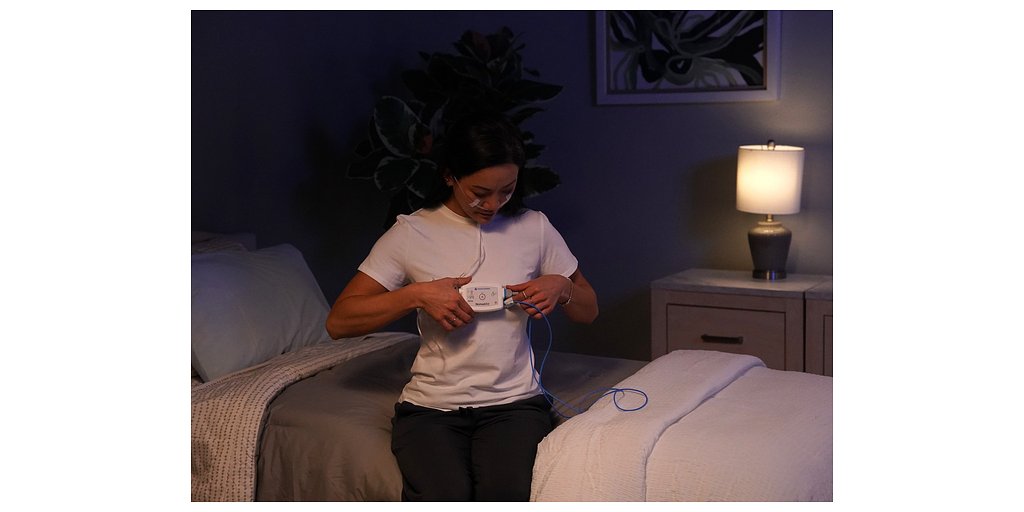
Connected Diagnostics Bridge the Gap in Sleep Apnea Care
IRVINE, CA – April 28, 2026 – A major shift is underway in the fight against obstructive sleep apnea (OSA), a condition affecting an estimated 936 million adults worldwide. Medical technology leader Nihon Kohden is expanding its established at-home diagnostic system, NomadAir® with Connect, into the rapidly growing field of dental sleep medicine. The move aims to dismantle long-standing barriers between dentists and sleep physicians, fostering a more collaborative and efficient care model for a disorder that leaves up to 80% of its sufferers undiagnosed.
The company is set to feature the solution at the upcoming American Academy of Dental Sleep Medicine (AADSM) Annual Meeting, signaling a strategic push to integrate its diagnostic technology into a crucial, yet often fragmented, part of the healthcare ecosystem.
The Undiagnosed Epidemic and the Dental Frontline
Obstructive sleep apnea is more than just snoring; it's a serious medical condition where breathing repeatedly stops and starts during sleep, increasing the risk of hypertension, heart disease, and daytime fatigue that can lead to accidents. While millions suffer, the journey to diagnosis and treatment is often fraught with delays and patient drop-off. The global dental sleep medicine market, valued at over $7 billion in 2024 and projected to exceed $10.5 billion by 2032, is a testament to the growing role dentists play in addressing this public health crisis.
Dentists are increasingly on the front lines, offering Oral Appliance Therapy (OAT) as a less invasive and often preferred alternative to traditional CPAP machines for patients with mild to moderate OSA. These custom-fitted devices work by repositioning the jaw to keep the airway open during sleep. However, before a dentist can create and fit an appliance, a formal diagnosis from a sleep study is required. This critical step has traditionally been a significant bottleneck.
"The referral loop between the dental office and the sleep lab can be a black hole," commented one sleep medicine practitioner not affiliated with the company. "Patients get lost, tests fail, and the momentum is broken. By the time they get back to the dentist, weeks or months may have passed, if they return at all."
This challenge is compounded by the unreliability of some at-home testing options. Industry data suggests that self-applied home sleep tests can have failure rates as high as 11%, leading to frustrating repeat tests, further delays, and mounting costs for both patients and providers.
A Revolution in Reliability and Connectivity
Nihon Kohden aims to solve this problem by introducing a new level of reliability and connectivity to at-home testing. Backed by the company's 70 years of diagnostic expertise, NomadAir with Connect is designed to ensure studies are completed successfully on the first attempt. A recent 30-day prospective study of 186 patients highlighted the system's efficacy, achieving a 95% first-night completion rate and a 98% overall success rate with zero reported device failures. This represents a 71% to 75% reduction in failures compared to the industry standard.
The key is the system's built-in cellular connectivity, which operates seamlessly without requiring patients to download apps or pair devices via Bluetooth. The device automatically uploads study data to a secure cloud platform, allowing clinicians to monitor the test in near real-time. If a sensor becomes dislodged or an issue arises, the care team can be alerted and potentially intervene, saving the study from failure.
"We've spent 70 years building diagnostic tools that clinicians trust," said Scott Blodgett, national vice president of neurology sales at Nihon Kohden America, in a recent press release. "Bringing that expertise to dental sleep medicine means dentists and sleep physicians can finally work from the same data, in real time, without the friction that slows care down."
This shared visibility is the cornerstone of the new collaborative model. Dentists can track their patients' progress through the diagnostic phase, and sleep physicians can interpret the data swiftly, creating a streamlined pathway that significantly shortens the time from initial screening to the start of therapy. For a dental practice where "chair time is currency," eliminating repeat visits for failed tests directly improves efficiency and profitability.
Beyond the Dental Chair: A Strategy for Broader Impact
Nihon Kohden's vision for connected diagnostics extends far beyond the dental office. The company is strategically expanding NomadAir with Connect into other underserved and compliance-driven markets, most notably the transportation and mobility sector.
Commercial drivers, pilots, and other professionals in safety-sensitive roles often face mandatory OSA screening requirements due to the profound risks associated with fatigue and impaired alertness. According to guidelines from regulatory bodies like the Federal Motor Carrier Safety Administration (FMCSA), drivers with suspected moderate to severe OSA must be evaluated and treated to remain medically certified. However, these populations often have limited access to efficient testing, creating logistical challenges for employers and compliance managers.
The traditional model of in-lab sleep studies or mail-order home tests can be slow and cumbersome, creating downtime for employees and administrative burdens for companies. By deploying a connected system like NomadAir with Connect, providers can manage large-scale screening and compliance programs more efficiently. Real-time data and performance monitoring through platforms like WatchTower® can provide immediate insights, while device tracking features help manage and reduce the loss of valuable diagnostic assets distributed across a mobile workforce.
This expansion reflects a broader trend toward leveraging digital health and remote monitoring to address public health and occupational safety challenges. By making reliable diagnostic testing more accessible and manageable for these critical industries, the technology has the potential to not only improve health outcomes for individuals but also enhance safety for the public at large. As connected devices continue to erase the distances between patients, providers, and data, the result is a more responsive and effective healthcare system for all.