
- $17.43 billion: The global chronic care management (CCM) software sector's value in 2026, projected to grow to $27.5 billion by 2030 at a 12% CAGR.
- $13,000 per doctor per month: Average new reimbursements claimed by ChronicCareIQ for providers using its software.
- 29.4% reduction: All-cause hospitalizations reported by ChronicCareIQ for its platform users.
Experts would likely conclude that ChronicCareIQ's appointment of an AI-focused CTO reflects a strategic move to enhance scalability and innovation in a rapidly growing but highly competitive chronic care management market, though successful AI integration will require addressing significant technical, ethical, and adoption challenges.
ChronicCareIQ Taps AI Veteran to Lead Tech Amidst Market Boom
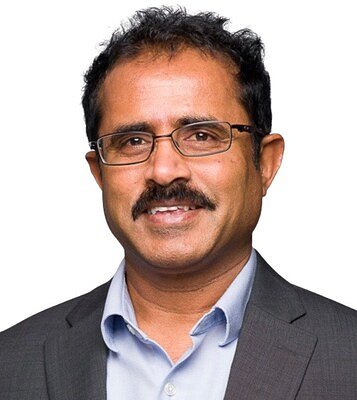
ATLANTA, GA – April 17, 2026 – In a strategic move signaling a deeper investment in artificial intelligence and platform scalability, ChronicCareIQ, a prominent care management software provider, has appointed Venkata Reddy Gogulamudi as its new Chief Technology Officer. The appointment comes as the company aims to solidify its position in the rapidly expanding and fiercely competitive chronic care technology market.
As CTO, Gogulamudi will spearhead the company's entire technology division, overseeing product architecture, engineering, and the strategic evolution of its platform. A key mandate for the new technology chief is to accelerate the integration of AI capabilities, ensuring the company's infrastructure can support its aggressive national expansion plans for providers, care teams, and patients.
A Strategic Bet on AI and Scalability
The hiring of Gogulamudi, a technology leader with nearly three decades of experience, is a clear indicator of ChronicCareIQ's future direction. His background includes senior leadership roles where he specialized in building and scaling commercial healthcare technology platforms, with specific expertise in modern technology stacks, cloud migration, and AI implementation. Prior to this role, Gogulamudi held senior engineering and infrastructure positions at companies like Citus Health, demonstrating a strong track record in the health-tech space.
"As we continue to advance our chronic disease management platform, Venkat's deep expertise in scalable architecture and AI–driven innovation will be a major asset," said Matt Ethington, ChronicCareIQ founder and CEO, in a statement. Ethington emphasized that Gogulamudi's leadership is expected to simplify chronic care workflows, alleviate pressure on overworked medical staff, and enhance the system for capturing work and reimbursement for care provided between office visits.
Gogulamudi's role will extend beyond pure engineering. He is tasked with operationalizing AI across the organization to improve both the provider and patient experience. This dual focus on internal efficiency and external user benefit is crucial for technology adoption in healthcare.
"This is an exciting time to join ChronicCareIQ," Gogulamudi stated. "The company's platform already dominates chronic care delivery, and I'm eager to scale our technology, embed AI across our engineering and operational workflows, and strengthen the experience for care partners, providers, and patients."
The High-Stakes World of Chronic Care Management
ChronicCareIQ's strategic maneuver is set against the backdrop of a booming market. The global chronic care management (CCM) software sector was valued at approximately $17.43 billion in 2026 and is projected to surge to nearly $27.5 billion by 2030, growing at a compound annual rate of 12%. This growth is fueled by an aging population, the increasing prevalence of chronic diseases like diabetes and heart disease, and a systemic shift in healthcare towards value-based care models that reward proactive and preventive interventions.
However, this lucrative market is also crowded. ChronicCareIQ competes with a vast array of companies, from large electronic health record (EHR) giants like Epic and Athenahealth to specialized CCM platform providers such as CareHarmony, ChartSpan, and HealthEC. To stand out, companies must demonstrate clear value. ChronicCareIQ has staked its claim on user satisfaction, promoting itself as the most highly-rated care management software on both Google Play and the Apple App Store by clinicians and patients alike. This focus on user experience is a significant differentiator in a field where clunky and unintuitive software can often hinder, rather than help, clinical workflows.
Translating Technology into Tangible Outcomes
Beyond user ratings, ChronicCareIQ makes bold claims about the tangible financial and clinical benefits its platform delivers. The company asserts that providers using its software can add an average of $13,000 per doctor per month in new reimbursements and achieve a 29.4% reduction in all-cause hospitalizations.
While independent, peer-reviewed verification of these specific figures for ChronicCareIQ is not publicly available, they exist within a plausible framework established by the healthcare industry. The Centers for Medicare & Medicaid Services (CMS) actively encourages and reimburses for CCM services. For instance, billing for CPT code 99490, which covers 20 minutes of non-complex CCM services, yields an average of over $66 per patient per month in 2026. A practice managing a cohort of just 200 eligible patients could generate over $13,200 in monthly revenue, lending credibility to the company's financial claims.
Similarly, multiple studies have validated the core principle that structured chronic care management reduces costly hospital visits. A CMS analysis found that its CCM program led to a nearly 5% reduction in hospitalizations. Other research points to reductions in hospital readmissions between 10% and 20%. While ChronicCareIQ's 29.4% figure is on the higher end of this spectrum, it underscores the recognized potential of proactive care management to improve patient stability and lower overall healthcare costs.
Navigating the Promise and Peril of AI in Healthcare
The appointment of an AI-focused CTO places ChronicCareIQ squarely at the center of one of healthcare's most transformative and challenging trends. The promise of AI is immense: algorithms can analyze vast datasets to predict patient health crises, personalize treatment plans, and automate burdensome administrative tasks that contribute to physician burnout. AI-powered remote monitoring tools can track patients' vital signs in real-time, enabling care teams to intervene before a minor issue becomes a medical emergency.
However, the path to successful AI integration is fraught with obstacles. Healthcare is a domain where the stakes are life and death, and concerns over data security, patient privacy, and algorithmic bias are paramount. AI models trained on incomplete or biased data can perpetuate and even amplify existing health disparities. Furthermore, the "black-box" nature of some complex AI systems—where it is difficult to understand how a decision was reached—raises serious questions about accountability and clinical trust.
Resistance to adoption from both clinicians and patients remains a significant hurdle. Healthcare professionals worry about workflow disruption and the erosion of the human element in medicine, while patients express concerns about privacy and the accuracy of automated diagnoses. Gogulamudi's challenge, therefore, is not merely technical. It involves building systems that are not only powerful and scalable but also transparent, trustworthy, and seamlessly integrated into the human fabric of healthcare delivery, ultimately augmenting—not replacing—the critical relationship between a patient and their care team.