
- 12 million people globally affected by HDV co-infection
- 44.1% of patients achieved combined response (viral load reduction + liver enzyme normalization) in pivotal trial
- 70% of patients saw ALT levels normalize, indicating reduced liver inflammation
Experts view Libevitug as a transformative breakthrough in hepatitis D treatment, offering the first approved therapy with proven efficacy and a favorable safety profile, addressing a critical unmet medical need.
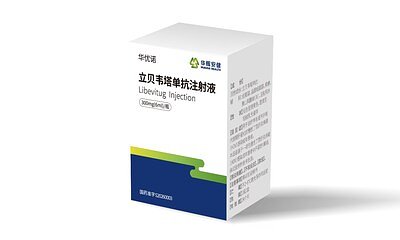
China's Biotech Breakthrough: Libevitug Approval for Hepatitis D
BEIJING – January 27, 2026 – China's National Medical Products Administration (NMPA) has granted conditional approval to Libevitug, a groundbreaking treatment for chronic hepatitis D, offering a beacon of hope for patients suffering from the most aggressive form of viral hepatitis. Developed by Beijing-based Huahui Health, the approval marks a pivotal moment, establishing Libevitug as the first-ever approved therapy for the disease in China and the world's first-in-class monoclonal antibody for any viral hepatitis.
This landmark decision addresses a critical and long-standing unmet medical need. Hepatitis D virus (HDV) infection, which only occurs in individuals already infected with hepatitis B (HBV), is known to cause rapid progression to liver failure, cirrhosis, and cancer. The approval not only provides a desperately needed option for patients but also signals China's rising prowess in translating fundamental scientific research into globally significant medical innovations.
A Lifeline for a Devastating Disease
According to the World Health Organization, HDV co-infection is the most severe form of chronic viral hepatitis, affecting an estimated 12 million people globally. Patients with both viruses face a much higher risk of life-threatening liver complications compared to those with HBV alone. The disease is responsible for approximately one in five cases of liver cancer among people with HBV.
Until now, patients in China—home to over 75 million people with chronic hepatitis B—had no approved treatments for HDV. The global standard of care has been limited to off-label use of pegylated interferon alpha (Peg-IFNα), a year-long regimen with notoriously poor efficacy and severe side effects, including flu-like symptoms and psychiatric issues, leading many patients to abandon treatment.
"Libevitug demonstrates outstanding clinical efficacy and significantly improves liver stiffness, with particularly remarkable efficacy in patients with HBV/HDV-related cirrhosis," stated Professor Niu Junqi of the First Hospital of Jilin University, the principal investigator for the drug's pivotal trial. He noted the drug's potential to dramatically lower the risk of progression to liver cancer and align with China's public health goals to eliminate viral hepatitis by 2030.
A New Weapon in the Medical Arsenal
Libevitug (HH-003) is a human monoclonal antibody that functions as a viral entry inhibitor. It works by targeting the PreS1 domain on the surface of both HBV and HDV, effectively blocking the virus from binding to the NTCP receptor on liver cells and preventing infection and reinfection of healthy hepatocytes. This targeted mechanism represents a significant advancement over the broad immune stimulation of older therapies.
The conditional approval was based on stellar results from the HH003-204 pivotal study, an international, multicenter Phase IIb trial whose data was significant enough to be presented as a Late-Breaker at the 2025 AASLD Liver Meeting. At 48 weeks, 44.1% of patients treated with Libevitug achieved a combined response, which includes both a significant reduction in viral load and normalization of liver enzymes. Furthermore, 60% of patients had an HDV virological response and 70% saw their alanine aminotransferase (ALT) levels normalize—a key indicator of reduced liver inflammation. The treatment also demonstrated a favorable safety profile.
The 'conditional' nature of the NMPA approval is a common fast-track pathway in China for innovative drugs addressing urgent needs. It allows the therapy to reach patients years sooner than a traditional approval process might allow, contingent on Huahui Health conducting further post-marketing studies to confirm long-term benefits and safety. This regulatory confidence is bolstered by the fact that Libevitug also received Breakthrough Therapy Designation from both China's CDE and the U.S. Food and Drug Administration (FDA), underscoring its transformative potential.
From Lab Bench to Global Landmark
The story of Libevitug is a decade-long saga of scientific perseverance and a testament to China's growing capabilities in biomedical innovation. The journey began in 2012 when a team at the National Institute of Biological Sciences, Beijing (NIBS), led by Dr. Li Wenhui, made a world-first discovery that had eluded scientists for decades: identifying the sodium taurocholate cotransporting polypeptide (NTCP) as the functional cell receptor that HBV and HDV use to enter liver cells.
This fundamental breakthrough, which earned Dr. Li the prestigious Baruch S. Blumberg Prize, unlocked the door for developing targeted entry inhibitors. In 2015, Dr. Li, now the scientific founder of Huahui Health, collaborated with antibody engineering expert Dr. Sui Jianhua to develop the molecule that would become Libevitug.
"The global burden of viral hepatitis is immense," stated Dr. Sui, co-founder of Huahui Health. "We are pleased that Libevitug is the first monoclonal antibody approved in this field, effectively treating the most severe and progressive form of chronic viral hepatitis."
This complete cycle—from uncovering a basic biological mechanism to developing an effective drug and securing regulatory approval—showcases a new level of maturity for China's biotech ecosystem. It fulfills Huahui Health's stated mission of "Original in China, Benefiting the Globe."
Reshaping the Global Treatment Landscape
With its approval in China, Libevitug is poised to disrupt the global hepatitis treatment market. Its main competitor, Gilead's bulevirtide (Hepcludex), is an entry inhibitor with a similar mechanism that is approved in Europe. However, bulevirtide's path has been rockier in the United States, where the FDA rejected its application, citing manufacturing and delivery concerns.
Libevitug's FDA Breakthrough Therapy Designation, granted in 2024, provides it with an expedited pathway for review in the U.S. market. A successful launch in the world's largest pharmaceutical market would cement Huahui Health's status as a global player and validate its innovation model. The company is now positioned to offer a powerful new therapeutic option to patients not just in China, but around the world.
"The successful approval of Libevitug fulfills our commitment to building a world-class translational and clinical development platform dedicated to delivering innovative therapies for patients worldwide," said Dr. Chen Bin, Chief Executive Officer of Huahui Health. He affirmed the company's commitment to leveraging its integrated R&D system, which includes a pipeline of eight candidates targeting liver diseases and oncology, to safeguard global health.