
- $3.88 billion: HarbourView Equity Partners' regulatory assets under management.
- 70+ music catalogs: Acquired by HarbourView, including iconic artists like Kelly Clarkson and Fleetwood Mac.
- $500 million: Recent debt financing secured from KKR, bringing total to nearly $1 billion.
Experts would likely conclude that this partnership represents a strategic evolution in music IP monetization, blending financial expertise with artistic legacy preservation.
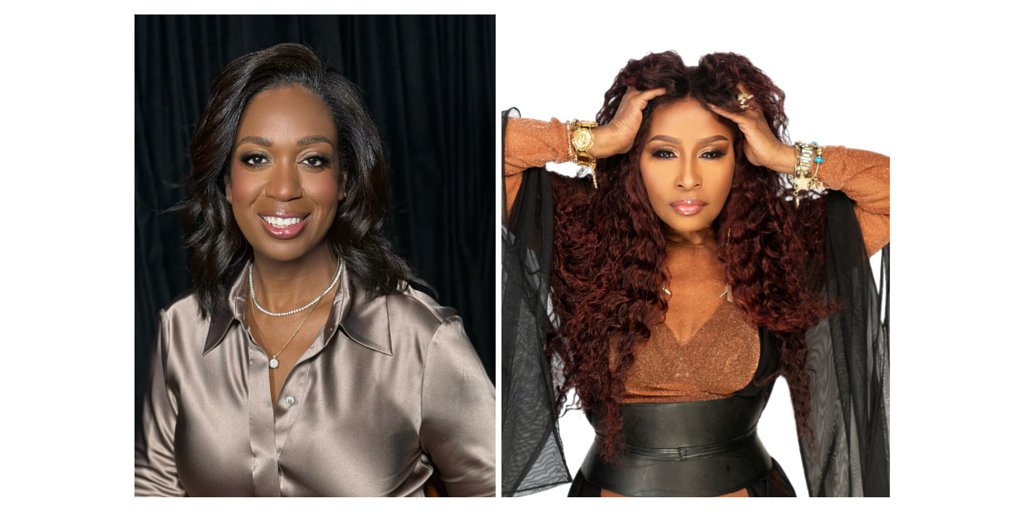
Chaka Khan's New Groove: The Billion-Dollar Strategy Behind Legacy Music
NEWARK, NJ – June 12, 2026 – In the intricate world of music, the most valuable notes are often the ones written decades ago. This principle is at the heart of a landmark strategic partnership announced between legendary vocalist Chaka Khan and HarbourView Equity Partners, a firm that has rapidly become a powerhouse in the intellectual property investment space. Set to debut in 2026, the collaboration will focus on developing Khan’s iconic catalog, expanding global licensing, and, most intriguingly, launching “new creative ventures.”
This isn't merely another catalog sale. It’s a carefully orchestrated alliance that speaks volumes about the evolving value of cultural assets and the new financial architecture being built around them. HarbourView, a firm launched just five years ago, has amassed an astonishing $3.88 billion in regulatory assets, demonstrating an aggressive and sophisticated strategy for acquiring and monetizing culturally significant IP.
For Chaka Khan, an 11-time GRAMMY winner and recent Rock & Roll Hall of Fame inductee, the timing is impeccable. Fresh off the success of her “Queens! 4 Legends, 1 Stage” tour and a 2026 GRAMMY Lifetime Achievement Award, she is an artist experiencing a powerful resurgence, not resting on laurels. Her statement on the deal underscores the personal stakes involved: "This beautiful group at HarbourView gets what my music means, not just as a business, but as a body of love. That matters to me deeply."
Sherrese Clarke, HarbourView's founder and CEO, echoed this sentiment, highlighting Khan as a force who has “moved effortlessly across generations.” The partnership, she noted, is about honoring a legacy that feels “as vibrant and resonant as ever.” This careful language points to a new model of artist-investor collaboration, one that aims to merge financial acumen with artistic integrity.
A Legend’s Next Chapter: Beyond the Back Catalog
The phrase “new creative ventures” is the most forward-looking element of this partnership. While the specifics remain under wraps, it signals a move beyond the passive management of old hits. For an artist of Chaka Khan’s stature, this could unlock a new era of creation, unburdened by the pressures of a traditional record deal. HarbourView’s financial backing could fuel anything from a new album or a feature documentary to a Broadway show or immersive digital experiences. The firm has already shown its appetite for such projects, investing in film financing and demonstrating a clear understanding that a catalog's value grows when the artist's story is actively being told.
This partnership leverages significant momentum. Khan is not a legacy artist in the static sense; her recent tour was one of the highest-grossing R&B tours of the year, proving her enduring connection with audiences. This deal provides the capital and strategic framework to build on that momentum, ensuring her anthems like “I’m Every Woman” and “Ain’t Nobody” are not just relics but living assets introduced to new generations through savvy, multi-platform strategies.
The Financial Symphony: How HarbourView Makes Music Pay
Behind this partnership is a formidable financial engine. HarbourView’s strategy of “coordinated value creation” is more than just a buzzword; it’s a systematic approach to maximizing the value of the 70+ music catalogs it has acquired. The firm has built a diversified portfolio of over 41,000 songs, featuring iconic names like Kelly Clarkson, T-Pain, and the estate of Fleetwood Mac’s Christine McVie.
Their playbook involves actively seeking out synchronization licenses for film, television, and advertising—as seen with Fleetwood Mac’s “The Chain” in an F1 movie trailer—and identifying sampling opportunities, like the use of a catalog track in a hit Bad Bunny song. For Chaka Khan's catalog, which includes the historic “I Feel for You”—the first R&B track to feature a rapper—the potential for such placements is immense. HarbourView's role is to transform these passive assets into active, high-yield revenue streams.
This strategy is backed by serious capital. The firm recently secured an additional $500 million in debt financing from KKR, bringing its total from the investment giant to nearly $1 billion. This capital is raised through complex financial instruments like asset-backed securitizations, where predictable royalty streams are bundled and sold to investors. It’s a testament to how Wall Street now views music IP: a stable, recession-resistant asset class comparable to real estate or infrastructure, driven by the steady, predictable cash flow of global streaming.
A New Industry Blueprint: The Artist as Partner
This deal is a powerful illustration of a broader industry shift. For decades, artists often sold their catalogs outright for a lump sum, a move that provided immediate liquidity but relinquished future control and upside. Today, a more nuanced partnership model is emerging. Artists like Chaka Khan are seeking collaborators who offer not only a significant financial incentive but also a commitment to preserving and enhancing their legacy.
This new model addresses multiple artist needs: it provides a solution for estate planning, offers capital for new projects, and outsources the complex administrative burden of managing global rights to a dedicated team of experts. For investment firms, these partnerships are far more valuable than a simple acquisition. An engaged, active artist can elevate the value of their own catalog in a way no financial engineering ever could. The artist becomes a partner in value creation, promoting the legacy, and participating in the upside. This alignment of interests is reshaping the power dynamics of the music industry, creating a new ecosystem where artists can secure their financial future while actively writing their next chapter.