
- $1.48 billion: Global correctional telehealth market in 2024, projected to reach $4.35 billion by 2033 (13% CAGR).
- 72% reduction in off-site medical trips within six months of adopting telehealth, saving $225,000 annually in one facility.
- 57% decrease in wait times for medical referrals with prison telemedicine programs.
Experts view telehealth platforms like CFG CareLink as a transformative solution to long-standing healthcare challenges in correctional facilities, offering cost savings, improved access, and enhanced continuity of care while requiring careful navigation of ethical and technical complexities.
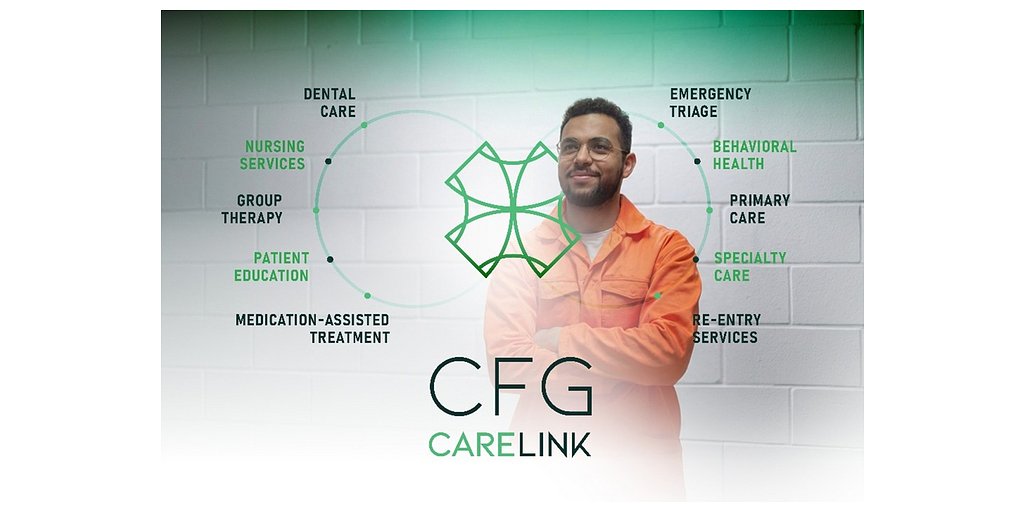
CFG Health Launches Telehealth Platform to Transform Prison Healthcare
MOUNT LAUREL, N.J. – February 27, 2026 – CFG Health, a long-time provider of correctional healthcare services, today announced the launch of CFG CareLink™, a proprietary telehealth platform designed to deliver comprehensive medical services directly to incarcerated individuals. The move signals a significant step in digitizing a sector fraught with challenges related to access, cost, and security.
The new platform operates on existing security-issued tablets within correctional facilities, providing 24/7, HIPAA-compliant access to a wide range of services. These include emergency triage, primary and specialty care, behavioral health, medication-assisted treatment (MAT), and dental services. According to the company, the system is designed to integrate seamlessly into the high-security environment of prisons and jails.
“CareLink is not simply a technology solution. It is an extension of how CFG Health delivers care,” said Brandon De Julius, CEO of CFG Health, in the announcement. “It is clinically led, operationally integrated, and purpose-built to support access, safety, and continuity of care in correctional settings.”
A Digital Lifeline in a Growing Market
CFG Health’s launch enters a rapidly expanding market for correctional telehealth. The global market reached approximately $1.48 billion in 2024 and is projected to surge to over $4.35 billion by 2033, driven by a compound annual growth rate of nearly 13%. This growth reflects a systemic shift toward technology to solve persistent healthcare issues within the justice system.
Correctional facilities have long struggled with providing adequate and timely healthcare. Shortages of on-site medical staff, logistical challenges, and the high costs and security risks associated with transporting inmates to external hospitals have created significant barriers to care. Telehealth is increasingly seen as a viable solution. Major correctional systems, including the Texas Department of Criminal Justice and the California Correctional Health Care Services, have already implemented large-scale telemedicine programs to provide specialty consultations and manage chronic diseases, demonstrating the model's potential.
CareLink aims to provide a comprehensive solution, combining CFG Health’s in-house clinical teams with external telehealth resources under a single, clinically governed framework. By supporting both scheduled and on-demand appointments, the platform promises to deliver care precisely when and where it is needed, without adding new burdens to facility operations or security staff.
Overcoming Decades-Old Barriers
The most significant impact of platforms like CareLink lies in their potential to mitigate the risks and costs of off-site medical transports. Transporting an inmate requires multiple correctional officers, a secure vehicle, and significant coordination, all of which contribute to high costs and potential security vulnerabilities, such as escape attempts or public safety incidents.
Studies of similar telehealth implementations in correctional settings have shown dramatic results. One report from a medium-security facility indicated a 72% reduction in off-site medical trips within six months of adopting a telehealth solution, yielding annual savings of over $225,000. By enabling remote consultations for everything from dermatology to cardiology, telehealth minimizes the need for such transports.
Furthermore, virtual care can drastically improve access and reduce wait times. In many facilities, inmates wait weeks or even months to see a specialist. A study of a prison telemedicine program found it decreased the overall wait time for medical referrals by 57%. This is particularly critical for mental health services, as telepsychiatry can provide consistent support in a population where mental health disorders are highly prevalent. Research from the American Telemedicine Association has linked prison telehealth programs to a 28% drop in emergency hospital visits, suggesting that proactive virtual care can prevent health crises from escalating.
The Technology Behind the Virtual Visit
Deploying advanced technology in a correctional environment is a complex undertaking. CFG CareLink's design, which leverages existing, security-hardened tablets already used by inmates for education or communication, is a key strategic element. This approach bypasses the significant hurdle of introducing new hardware into a secure setting.
However, significant technical challenges remain. Many correctional facilities, particularly older or more rural ones, suffer from outdated IT infrastructure and limited internet bandwidth. Strong security firewalls, while necessary, can interfere with the stable, live-video connections required for effective consultations. A successful platform must be robust enough to operate reliably within these constraints.
Effective integration with Electronic Health Records (EHRs) is another critical component. For telehealth to enhance continuity of care, virtual visit data must flow seamlessly into an inmate's central medical record. This provides a complete health history for providers and ensures that care is coordinated, whether delivered in person or virtually. The industry is moving away from paper-based systems, but the transition requires careful planning and execution to maintain data integrity and security.
Navigating Privacy and Ethical Lines
While technology offers solutions, it also introduces complex ethical and regulatory questions. Ensuring patient privacy is a paramount concern. The Health Insurance Portability and Accountability Act (HIPAA) includes a "correctional exception" that permits facilities to share health information without inmate consent for safety and security purposes. However, this does not eliminate the need for confidentiality.
For telehealth to be effective, inmates must feel safe to discuss sensitive health information. This is nearly impossible if consultations are conducted in open, non-private areas. The National Commission on Correctional Health Care (NCCHC) stresses the importance of conducting all clinical encounters in private to foster trust and encourage candid communication. Facilities adopting platforms like CareLink must invest in creating dedicated, private spaces for virtual visits.
Informed consent also takes on a different dimension in a carceral setting, where the power imbalance between the institution and the individual is stark. Clear protocols are needed to ensure that an inmate's agreement to a virtual consultation is voluntary and fully informed. As CFG Health and its competitors push the boundaries of digital care, their success will depend not only on their technology but also on their ability to uphold the ethical standards of medicine within the unique and challenging context of a correctional facility.
“CareLink reflects our belief that access, accountability, and continuity are fundamental to quality correctional healthcare,” De Julius added. “It allows CFG Health to continue leading—not reacting to—the future of care delivery in correctional settings.”