
- 17 billion plant-level measurements analyzed by Ceres AI across 32 million acres
- 250+ software companies integrated into John Deere's Operations Center
- Direct embedding of Ceres AI's high-fidelity imagery within John Deere's platform for seamless data correlation
Experts view this integration as a significant step toward streamlining agricultural data management, enhancing decision-making, and fostering a more efficient, data-driven farming ecosystem.
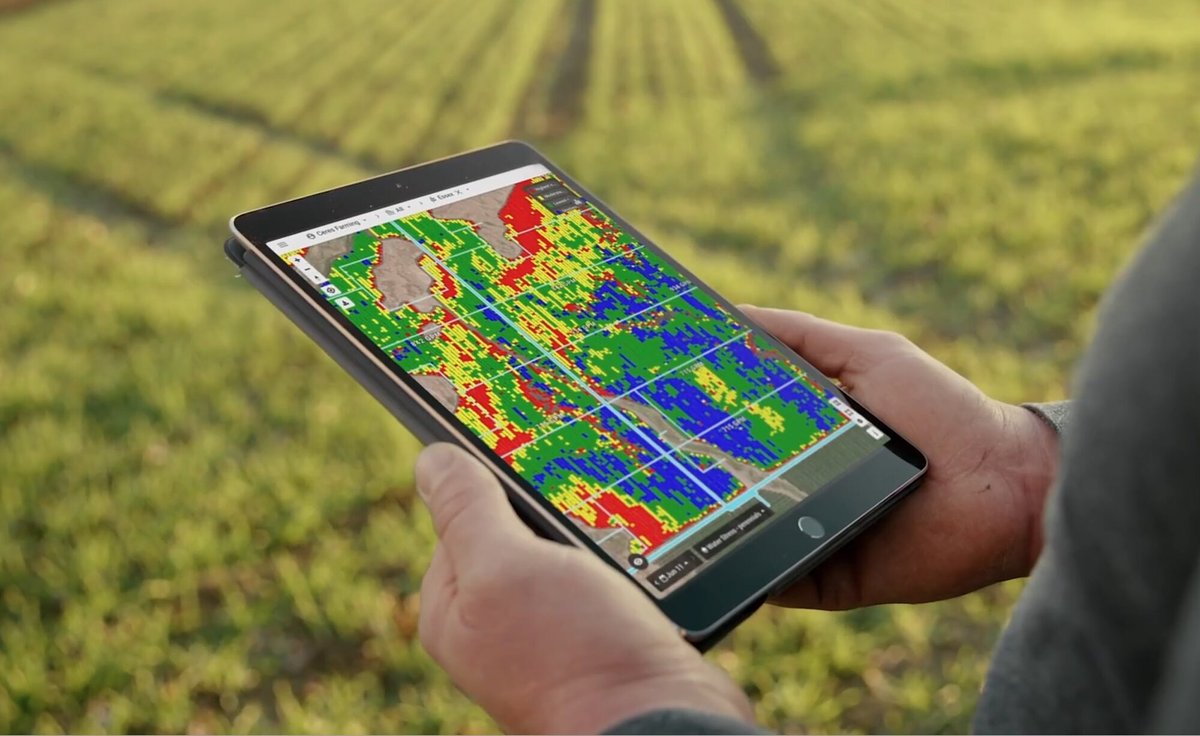
Ceres AI and John Deere Deepen Ties, Unifying Data for Smarter Farming
OAKLAND, CA – January 05, 2026 – In a significant move to streamline agricultural management, Ceres AI has announced a renewed and deeply enhanced integration with the John Deere Operations Center. The upgrade promises to dismantle long-standing data silos by allowing farmers to view advanced Ceres AI intelligence directly within the John Deere digital ecosystem, paving the way for faster, more informed on-farm decisions.
This development addresses one of the most persistent challenges in modern agriculture: a fragmented technology landscape. Growers often juggle multiple applications and platforms to manage everything from machine operations to crop health, leading to inefficiencies and missed opportunities. By embedding its powerful insights into a platform already central to many farming operations, Ceres AI aims to transform data management from a daily chore into a strategic advantage.
A Unified View for the Modern Grower
The core of the enhancement lies in its seamless user experience. Previously, accessing insights from both platforms required switching between applications. Now, growers can view high-resolution imagery and data layers from Ceres AI—such as water stress, chlorophyll levels, and thermal analytics—directly within their John Deere Operations Center interface. This allows for a powerful new capability: layering Ceres' plant-level intelligence directly on top of John Deere's machine, planting, and application data.
For a farmer, this means being able to instantly correlate a patch of stressed crops identified by Ceres AI with the specific fertilizer application rate or seed variety recorded by their John Deere equipment for that exact zone. This unified view provides a complete picture of field performance, moving beyond simple observation to deep, actionable intelligence. The integration also automates a critical and often tedious setup process by syncing field boundaries directly from the John Deere platform into the Ceres AI system, reducing manual entry errors and saving valuable time.
"This is more than a technical upgrade; it's a meaningful step forward in delivering intelligence where it matters most," said Anubhav Sharma, Director of Marketing at Ceres, in the company's press release. "By embedding our insights within tools growers already rely on, we're making it easier to onboard faster, take action, and operate more confidently from day one."
Reshaping the Digital Agriculture Landscape
This partnership is reflective of a larger industry trend toward integrated, platform-based solutions. The era of standalone ag-tech apps is giving way to interconnected ecosystems, and John Deere has strategically positioned its Operations Center as a central hub. With over 250 software companies integrated into its platform, John Deere is fostering an open environment where farmers can choose the best tools for their operation and have them work in concert.
The deepened Ceres AI integration strengthens this ecosystem, placing both companies in a formidable position against competitors like Bayer's Climate FieldView and the farm management platform Granular. While these platforms also offer robust data analysis and partner integrations, the direct embedding of Ceres AI's specialized, high-fidelity imagery within the ubiquitous John Deere environment creates a compelling and streamlined workflow that will be difficult to replicate.
This move aligns with Ceres AI's broader vision to unify agricultural data across operations, finance, and risk management. The company, which has analyzed over 17 billion plant-level measurements across 32 million acres, seeks to make its insights accessible wherever its customers work, breaking down the walls between different data sources to create a single source of truth for the entire agricultural enterprise.
Beyond the Harvest: Data's Impact on Risk and Finance
The benefits of this integration extend well beyond the farm gate, creating significant value for the financial services sector, particularly agricultural insurers. Historically, underwriting policies and assessing claims have been data-intensive, often relying on manual inspections and fragmented historical records. The direct flow of verified, real-time data from the field is set to revolutionize this process.
Insurers can now gain faster, more reliable access to critical data points essential for risk assessment, including precise field boundaries, confirmed planted crops, accurate planting dates, and historical yield data. This allows for more accurate underwriting and pricing of policies based on a farm's specific conditions and practices rather than regional averages.
Furthermore, claims processing can be dramatically expedited. In the event of a weather event like a hailstorm or flood, high-resolution aerial data can help insurers quantify crop damage down to the individual acre or even plant level within days, rather than weeks. This not only reduces the operational cost of sending adjusters to the field but also allows for faster claim payments to growers, providing crucial capital when it's needed most. The wealth of layered data also helps in spotting anomalies and inconsistencies that could indicate fraudulent activity, such as "yield switching," where production from one field is falsely attributed to another.
As Sharma noted in the announcement, "This improved integration also delivers value for insurers by enabling faster access to...critical inputs for underwriting and risk assessment."
The Foundation of Trust: Data Security and Ownership
As farms become increasingly connected, the questions of data security, privacy, and ownership have become paramount. Growers are rightly protective of their operational data, which represents years of work and significant intellectual property. Both Ceres AI and John Deere are building their digital strategies on a foundation of trust, where the farmer remains in control.
The John Deere Operations Center is an "opt-in" platform, meaning growers explicitly choose what data to share and with whom, whether it's a trusted agronomist, a dealer, or a third-party application like Ceres AI. The integration relies on secure Application Programming Interfaces (APIs) to ensure that data is transferred smoothly and safely between the two systems, with clear governance protocols in place.
This focus on data security is critical for the long-term success of the digital farm. By prioritizing user control and transparent data policies, companies like John Deere and Ceres AI are building the necessary trust to drive adoption of these powerful technologies. This collaborative approach, which connects systems while respecting data ownership, is enabling the industry to move from simply managing data to truly acting on it, fostering a more efficient, profitable, and sustainable future for agriculture.