
- 39% growth: Century 21 Canada expanded its Quebec operations by 39% over three years, adding 6 new franchisees and 14 offices.
- 39% increase in brokers: The company's roster of brokers in Quebec also grew by 39% since April 2023.
- Strategic expansion: New offices opened in diverse regions, including Grand Montréal, Abitibi-Témiscamingue, and Capitale Nationale.
Experts would likely conclude that Century 21's growth in Quebec is driven by a strategic blend of technology, local expertise, and a supportive franchise model, positioning it as a formidable challenger in a competitive market.
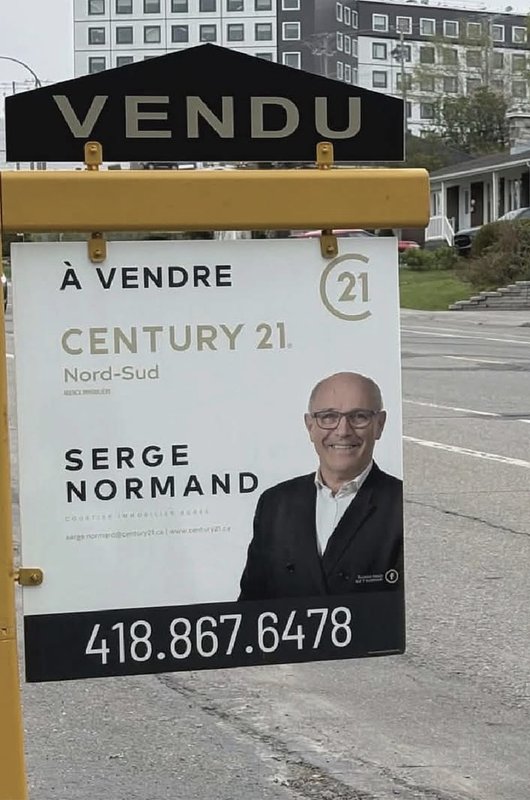
Century 21's Quebec Gambit: Decoding a 39% Growth Signal
MONTRÉAL, QC – June 18, 2026 – In the world of business, growth is the ultimate signal. But not all growth signals are created equal. Some are faint whispers of a passing trend, while others are resounding declarations of strategic momentum. A recent announcement from Century 21 Canada falls squarely into the latter category, reporting a remarkable 39 percent expansion in its Quebec operations over the last three years. This isn't just a headline number; it's a signal that warrants a closer look, revealing a carefully executed strategy that could serve as a playbook for challenging established market leaders.
Since April 2023, the real estate franchisor has added 6 new franchisees and 14 offices across the province, from the bustling suburbs of Grand Montréal to the distinct markets of Abitibi-Témiscamingue and Capitale Nationale. This physical expansion directly translated into human capital, with the company’s roster of brokers in Quebec also swelling by 39 percent. In a market known for its fierce competition and entrenched incumbents, such an aggressive growth trajectory raises a critical question: What is the engine driving this momentum?
The Anatomy of Expansion
Century 21’s growth did not occur in a vacuum. It unfolded against a backdrop of a fluctuating Canadian real estate market, one that saw interest rates climb, buyer confidence waver, and then begin a slow, cautious recovery. That the company achieved this expansion during a period of market stabilization, rather than a frenzied boom, makes the accomplishment all the more significant. It suggests a strategy built on fundamental value rather than opportunistic timing.
Sébastien Bonnerot, Century 21 Canada’s Senior Vice President of Strategic Growth, credits the brand's core value proposition. “Our brand is known across the country for its close-knit, collaborative network as well as continually evolving the technology available to our brokers to ensure they have the best tools to run their business and serve clients,” Bonnerot stated. This points to a two-pronged approach: fostering a supportive internal culture while simultaneously equipping agents with a cutting-edge external toolkit.
The expansion is not just about planting flags on a map. The chosen regions—including Outaouais, Haute Yamaska, Mauricie, and Montérégie—represent a mix of high-growth suburban areas, stable regional capitals, and markets with unique local economies. This diversified geographic strategy indicates a nuanced understanding of the province, aiming to build a presence beyond the most obvious urban cores and capture a wider demographic of homebuyers and sellers.
A Challenger's Playbook: Tech and Localization
In its announcement, Century 21 boldly positions itself as an emerging “disruptive player” in Quebec. In an industry where “disruption” often conjures images of tech startups dismantling traditional models, the company’s approach is more subtle but perhaps more sustainable. Its disruption isn't about replacing brokers; it's about supercharging them.
The key lies in its investment in technology that directly addresses the unique needs of the Quebec market. The company highlighted its multilingual tech tools, which allow brokers to seamlessly manage transactions and client communications in French, English, and other languages. This is not a minor feature; it is a critical piece of infrastructure that removes friction for both agents and a diverse clientele, a tangible advantage in a bilingual province.
This tech-forward approach is paired with what Bonnerot describes as a focus on “great, individual service by brokers who really understand their communities.” This is the classic marriage of global resources and local expertise. While the franchisor provides a powerful tech stack and the backing of a global brand celebrating its 50th anniversary, the strategy’s success hinges on empowering individual franchisees to leverage their deep community roots. This model directly counters the narrative that technology will make real estate agents obsolete, arguing instead that it will make the best agents even better.
By emphasizing its Canadian ownership and local focus, the brand is also tapping into a powerful consumer sentiment. In an increasingly globalized world, the appeal of supporting local and national businesses provides a soft-power advantage that can influence client decisions and build a foundation of trust that raw market share cannot.
Reading the Market: Context and Competition
Century 21’s 39% growth is particularly impressive when viewed against the broader Quebec real estate landscape. The market is dominated by behemoths like RE/MAX and Royal LePage, which have long held substantial market share. While these industry leaders continue to post solid results, their growth is often more incremental, characteristic of mature players in a saturated market. Century 21’s accelerated expansion suggests it is not merely riding a market upswing but is actively capturing share from its rivals.
The company’s own market intelligence appears to be guiding its strategy. Its annual price per square foot survey, for example, identified the rebound in Montreal prices after a brief dip in 2022-2023. More granularly, it noted a trend of younger adults purchasing homes downtown, drawn by the area's relative affordability compared to Toronto and Vancouver. This insight aligns perfectly with a strategy focused on empowering tech-savvy brokers who can connect with a new generation of first-time homebuyers navigating the complexities of urban markets.
By expanding into regions like the Montérégie and Outaouais, the company is also positioning itself to serve clients seeking more affordable options outside the primary urban core, a trend that has gained significant traction in recent years. This demonstrates an ability to read both macro trends (market recovery) and micro-trends (demographic shifts) and align expansion efforts accordingly.
The Signal: A Model for Momentum
The story of Century 21’s growth in Quebec is more than a corporate success story; it is a clear signal about what drives business momentum in the modern economy. The company’s trajectory shows that even in an established industry, there is ample room for a challenger to make significant inroads. The formula appears to be a potent blend of three key ingredients: a robust and supportive franchise system, a technology platform tailored to the specific needs of the local market, and an unwavering focus on empowering individuals with deep community knowledge.
For competitors, this is a signal that resting on brand recognition and market share is a dangerous proposition. A well-capitalized and strategically agile player can quickly turn a perceived weakness—a smaller footprint—into a strength by being more nimble and responsive to agent and client needs. For executives and investors across all sectors, it is a powerful case study in how to generate growth not by reinventing the wheel, but by building a better, faster, and smarter vehicle for those who are already on the road. As Century 21 looks to extend its growth through 2027, the signal is clear: the momentum is real, and it is built on a foundation of technology, culture, and a profound respect for the power of local expertise.