
- 4 sea otters transferred from Vancouver Aquarium to Aquarium du Québec, doubling Canada's capacity for rescued otters.
- 4,000 km journey for the otters, involving strict veterinary and logistical protocols.
- Endangered species: Sea otters are listed as Endangered by the IUCN, with every individual playing a critical role in ecosystem recovery.
Experts view this partnership as a crucial step in sea otter conservation, expanding specialized care capacity and strengthening Canada's ability to protect this keystone species.
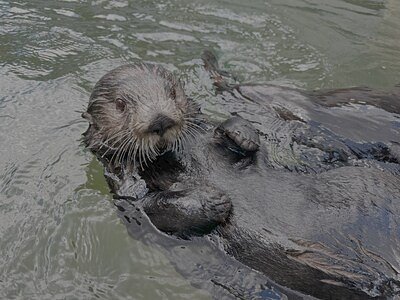
Canada Expands Sea Otter Rescue with East-West Aquarium Partnership
VANCOUVER, BC and QUÉBEC CITY, QC – May 07, 2026 – A landmark collaboration between Canada's leading aquariums is set to significantly expand the nation's capacity to care for rescued sea otters, as four beloved marine mammals prepare for a cross-country journey from the Pacific to the St. Lawrence. In early June, the Vancouver Aquarium will transfer four non-releasable male sea otters—Hardy, Mak, Quatse, and Taz—to a new, state-of-the-art habitat at the Aquarium du Québec.
The move, which has been more than a year in the making, marks a pivotal moment for marine mammal conservation in Canada. It will establish the Aquarium du Québec as the second facility in the country capable of providing long-term, specialized care for this endangered species, effectively doubling the national capacity and creating crucial space for future rescues on the West Coast. For the otters, all of whom were rescued as orphaned pups, it's the next chapter in a life made possible only through dedicated human intervention.
A National Strategy for a Keystone Species
Until now, the Vancouver Aquarium has been the sole Canadian institution equipped with a sea otter habitat, serving as a critical refuge for animals deemed non-releasable by Fisheries and Oceans Canada. This vital role, however, comes with physical limitations. The transfer addresses a growing need for more space as the Vancouver Aquarium Marine Mammal Rescue Society (VAMMR) continues its essential work on the front lines, responding to hundreds of marine animal emergencies each year.
"All of the sea otters in our care were rescued as orphaned pups and deemed non-releasable by Canadian and U.S. government agencies," said Vancouver Aquarium Animal Care Director Mackenzie Neale. "Our aquarium's otter habitat provides a safe and enriching home—but it also has limits. This transfer creates much-needed space for when the next otter needs our help."
This strategic expansion is more than just a logistical solution; it's a proactive step in the conservation of a keystone species. Sea otters are crucial engineers of their coastal environment, preying on sea urchins that would otherwise decimate vital kelp forests. These underwater forests serve as nurseries for countless marine species, sequester carbon, and protect coastlines from erosion. With their Canadian population listed as Endangered by the IUCN, every individual otter plays an important role, and providing a safe haven for those who cannot survive in the wild is a cornerstone of the species' recovery efforts.
The Journey of the 'Fab Four'
The four otters bound for Québec each have a unique and poignant story, but they share a common thread: they were found as vulnerable, orphaned pups without a mother to teach them the essential skills needed for survival. In the wild, otter pups spend up to eight months learning from their mothers how to groom their dense fur for insulation, forage for food, crack open shellfish, and avoid predators. Without this maternal guidance, they are unable to fend for themselves.
Hardy, Mak, Quatse, and Taz were all rescued through the tireless efforts of VAMMR and its partners. After intensive rehabilitation, government agencies determined they could not be returned to the ocean. Instead, they found a permanent home at the Vancouver Aquarium, where they have thrived under expert care, becoming beloved ambassadors for their species. Their playful antics and charismatic personalities have educated and inspired millions of visitors, highlighting the threats facing marine wildlife.
While their departure will be a "heartfelt goodbye" for the Vancouver team and public, the move is framed by a sense of purpose. It ensures that these four individuals will continue to receive world-class care while helping to create a national network of support for their species.
A New Eastern Home: The 'Louphoque Project'
The otters' new home in Québec City is part of the Aquarium du Québec's ambitious 'Louphoque project,' a major new development designed to offer immersive experiences with marine life. The state-of-the-art sea otter habitat features new pools and even a wave-making machine, all designed to create a complex and stimulating environment that encourages natural behaviours. Visitors will be able to observe the otters from unique underwater and terrestrial viewpoints, fostering a deeper connection to the animals.
The arrival of the sea otters is the capstone of the project and represents a significant moment for the Québec institution and for Eastern Canada. It will be the first time visitors in the region will have the opportunity to see and learn about this iconic Pacific species up close.
"The Aquarium du Quebec is thrilled to introduce sea otters to visitors in Eastern Canada. This is an exceptional addition to our collection, as part of the Louphoque project," said Aquarium du Quebec's director Nathalie Julien Boucher. "Since the specimens were rescued from the wild, this will be a fantastic educational opportunity while continuing our conservation mission."
The Logistics of Compassionate Conservation
Transporting four sea otters over 4,000 kilometers is a complex logistical and veterinary undertaking. The year-long planning process involved close collaboration between animal care experts at both aquariums to ensure the otters' health, safety, and comfort throughout the journey. Such transfers are governed by strict federal regulations, including the Health of Animals Regulations, which mandate that animal welfare is the top priority.
While specific transport details are kept confidential for security reasons, the process typically involves custom-built, climate-controlled travel habitats and a dedicated team of specialists monitoring the animals at every stage. Given the distance, air travel is the most likely method, requiring adherence to the International Air Transport Association's (IATA) stringent Live Animals Regulations. This meticulous planning underscores the commitment of both institutions to the well-being of the animals in their charge.
As the early June departure date approaches, the Vancouver Aquarium is inviting the public to say their farewells. Hardy, Mak, Quatse, and Taz will be on public display during weekend operating hours throughout May. For those unable to visit in person, the aquarium's popular online Sea Otter Cam offers a virtual window into their world, allowing admirers from across the globe to celebrate the next chapter in their remarkable journey. This move, while bittersweet for Vancouverites, ultimately represents a significant victory for conservation, strengthening Canada's ability to protect and care for one of its most charismatic marine mammals for years to come.