
- $130 million: Annual cost of PRRS to Canadian pork producers
- 90%: Canadian consumers open to purchasing gene-edited pork
- First approval: Gene-edited animal for food in Canada
Experts view this approval as a significant advancement in animal welfare and agricultural sustainability, reducing antibiotic use while maintaining food safety and nutritional value.
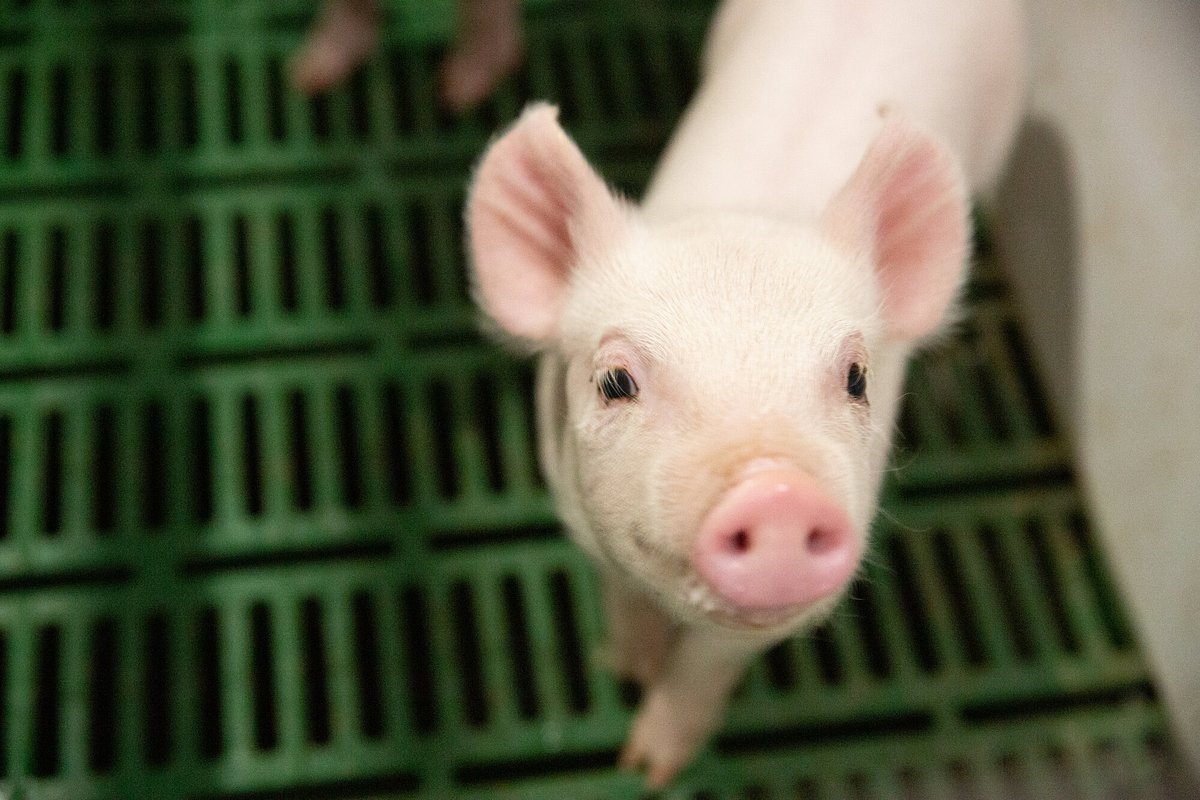
Canada Approves Gene-Edited Pork, Heralding a New Era for Farming
OTTAWA, ON – February 03, 2026 – In a move poised to reshape the future of Canadian agriculture, federal regulators have officially approved a gene-edited pig resistant to a devastating disease for human consumption, manufacturing, and import. The decision gives the green light to pigs developed by Pig Improvement Company (PIC), a global leader in swine genetics, to be resistant to Porcine Reproductive and Respiratory Syndrome (PRRS).
The approval came after three separate federal bodies—Health Canada, the Canadian Food Inspection Agency (CFIA), and Environment & Climate Change Canada (ECCC)—conducted rigorous, independent scientific reviews. They concluded that the pork is as safe and nutritious as conventional pork, paving the way for a new generation of livestock designed to improve animal welfare and reduce the industry's reliance on antibiotics. This positions Canada among a growing number of nations, including the United States, embracing gene-editing technology to tackle long-standing agricultural challenges.
A Genetic Shield Against a Costly Disease
For decades, PRRS has been a scourge on the global pork industry, causing immense animal suffering and significant economic losses. The virus leads to reproductive failure in sows and severe respiratory illness in pigs of all ages, often proving fatal. In Canada alone, the disease is estimated to cost producers over $130 million annually. With no direct cure, farmers have been left to manage outbreaks with supportive care and biosecurity measures, often resorting to increased antibiotic use to combat secondary bacterial infections that thrive in the virus-weakened animals.
PIC’s innovation offers a genetic shield against the virus. Using precise gene-editing techniques, scientists made a small deletion in the CD163 gene, which produces a protein the PRRS virus uses to enter a pig’s cells. Without this doorway, the virus cannot establish an infection, rendering the pig resistant.
"This marks a major milestone for consumers, farmers, and the entire pork industry who have hoped for relief from PRRS for decades," said Matt Culbertson, PIC's Chief Operating Officer, in a statement. He noted the years of extensive research and collaboration with the Canadian government that led to the approval.
The Regulatory Seal of Approval
The Canadian approval process is notable for its product-based approach, which evaluates the final characteristics of an organism rather than the technology used to create it. Because the gene-edited pigs contain novel traits, they were subject to a comprehensive multi-agency review.
Health Canada, responsible for food safety, concluded that pork from the PRRS-resistant pigs is "as safe and nutritious as pork from conventional pigs." Its assessment found no health or safety concerns and confirmed that the nutritional value is unchanged. As a result, the agency will not require any special labeling for the product when it eventually hits store shelves.
Concurrently, the CFIA assessed the pigs' safety for use in livestock feed and for the animals themselves, finding no issues. Environment & Climate Change Canada reviewed the potential environmental impact under the Canadian Environmental Protection Act, concluding that the pigs may be safely manufactured and imported into the country. This decision marks the first time a gene-edited animal has been approved for food in Canada, setting a significant precedent.
A Blow Against Antimicrobial Resistance
Beyond the farm gate, the approval carries significant public health implications. The widespread use of antibiotics in livestock is a major contributor to the global crisis of antimicrobial resistance (AMR), where bacteria evolve to resist the drugs designed to kill them. By preventing PRRS infection in the first place, the gene-edited pigs are expected to drastically reduce the need for such treatments.
Research has shown that PRRS outbreaks can more than double the quantity of antibiotics used on affected herds. Health Canada itself noted that improving resistance will help herds avoid illness and reduce antibiotic use. This aligns with global public health goals to promote antibiotic stewardship in both human medicine and agriculture.
"Addressing PRRS can allow us to improve animal welfare, reduce the need for antibiotics and decrease the environmental impact of raising pigs," explained Todd Wilken, PIC Director of North America Sales. The reduction in disease and drug use also contributes to a more sustainable production system, a key focus for the modern food industry.
Navigating Consumer Trust and Global Trade
While regulators and industry experts have lauded the decision, its success will ultimately depend on market adoption and consumer acceptance. A late 2025 study commissioned by PIC and conducted by market research firm Circana found promising results, indicating that 90% of Canadian consumers are open to purchasing pork from gene-edited pigs. The top motivator cited by consumers was the responsible reduction of antibiotic use.
However, the path to the consumer’s plate is not without debate. Advocacy groups like the Canadian Biotechnology Action Network (CBAN) have raised concerns about transparency, criticizing the lack of mandatory labeling for gene-edited foods. They argue that consumers should have the right to know how their food is produced and that government oversight should be maintained for all genetically modified products, a view that contrasts with Canada's product-based regulatory framework.
The global trade landscape also presents a complex challenge. PIC’s parent company, UK-based Genus, has stated it will not immediately begin sales in Canada. The company is strategically waiting to secure regulatory approval in other key export markets to prevent trade disruptions that could arise from differing international policies on gene-edited products. This cautious approach highlights the delicate balance between pioneering new technology and maintaining access to a complex global supply chain. The approval in Canada, following a similar green light from the U.S. FDA in 2025, helps build momentum for broader international acceptance, but a patchwork of regulations worldwide remains a significant hurdle for the technology's widespread rollout.