
- 50-90% of men with high-risk prostate cancer experience biochemical recurrence (BCR).
- 24-week trial period where participants consumed four cups of ArtemiCafé® Decaf daily.
- Phase 2 trial (NCT05478239) nearing conclusion with potential to impact cancer maintenance therapy.
Experts view this trial as a promising exploration of integrative oncology, potentially offering a natural, tolerable intervention for prostate cancer recurrence, though full efficacy and safety data are pending.
Can a Daily Coffee Halt Cancer? Trial Nears Pivotal Conclusion
CAMP HILL, Pa. – April 06, 2026 – A groundbreaking Phase 2 clinical trial investigating whether a specially formulated decaffeinated coffee can slow or stop the recurrence of prostate cancer is nearing its conclusion, signaling a potentially pivotal moment for integrative oncology and the thousands of men who live in the uncertain space of cancer remission.
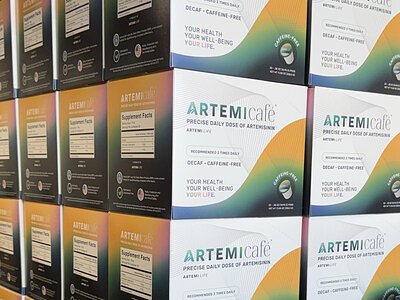
The study, a collaboration between health and wellness company ArtemiLife and the University of Kentucky's prestigious Markey Cancer Center, is evaluating ArtemiCafé® Decaf—a commercially available coffee infused with a controlled dose of the medicinal plant Artemisia annua. The trial focuses on a challenging and often overlooked stage of the cancer journey: biochemical recurrence.
Addressing a Critical Gap in Prostate Cancer Care
For men treated for localized prostate cancer with surgery or radiation, a rising prostate-specific antigen (PSA) level can be a deeply unsettling sign. Known as biochemical recurrence (BCR), it indicates the cancer has returned, even without visible tumors on scans. This condition affects an estimated 50-90% of men with high-risk prostate cancer, placing them in a clinical gray area.
Currently, the standard approach often involves a period of “active surveillance” or “watchful waiting,” where physicians monitor PSA levels before committing to more aggressive treatments like androgen deprivation therapy (ADT), which carries significant side effects. This waiting period, while clinically prudent, can be a source of immense psychological distress for patients and their families.
This gap in care represents a significant unmet need in oncology. Patients are left seeking options that can proactively manage their condition without the immediate physical toll of systemic therapies. It is precisely this need that the ArtemiCafé® trial aims to address, exploring whether a simple daily regimen could offer a tolerable, natural, and effective maintenance therapy to delay or even avoid more aggressive interventions.
From Ancient Herb to Modern Clinical Trial
The scientific foundation of ArtemiCafé® lies in its key ingredient, Artemisia annua, or sweet wormwood. This plant has a storied history in traditional medicine, but it gained global fame as the source of artemisinin, the compound behind a Nobel Prize-winning treatment for malaria.
In recent years, the scientific community has turned its attention to the anti-cancer properties of artemisinin and its derivatives, particularly artesunate. A growing body of laboratory research, including studies at the Markey Cancer Center, has shown that these compounds exhibit meaningful anti-tumor activity. In prostate cancer cell models, artesunate has demonstrated an ability to target androgen receptor pathways and reduce cancer cell proliferation.
These promising preclinical findings provided the rationale for a human clinical trial. By infusing a standardized, controlled dose of Kentucky-grown Artemisia annua into a familiar product like decaf coffee, researchers hope to translate the lab findings into a real-world clinical benefit. The collaboration with the Markey Cancer Center, Kentucky's only NCI-designated Comprehensive Cancer Center, lends significant scientific credibility and rigor to the investigation.
The Promise of an Everyday Intervention
The ongoing Phase 2 trial (NCT05478239) is an open-label study that enrolled its first patients in August 2023. Participants with biochemical recurrence of prostate cancer were instructed to consume four cups of ArtemiCafé® Decaf daily for a 24-week period. Throughout the trial, researchers have been meticulously tracking changes in PSA levels, PSA velocity, testosterone, and key biomarkers of the NRF2/KEAP1 signaling pathway, which is involved in cellular defense and is a target of Artemisia annua compounds.
The primary goal is to determine if the coffee regimen can produce a significant decline in PSA levels, a key indicator of treatment efficacy. While ArtemiLife has not yet released specific outcome data, the approaching conclusion of the trial sets the stage for a full data readout that will be shared with the medical community.
This research builds on the success of a previous Phase 1 dose-escalation trial (NCT04805333) in patients with advanced ovarian cancer. Those results, presented at the 2025 Society of Gynecologic Oncology annual meeting, established that ArtemiCafé® was safe and well-tolerated, with preliminary signs of anti-cancer activity. This demonstrated ability to move a single, accessible product through the rigorous clinical trial process has provided critical momentum for the company's broader oncology mission.
A Launching Pad for Broader Ambitions
For ArtemiLife, the conclusion of the prostate cancer trial is not an endpoint but a beginning. The company has signaled a clear intent to expand its clinical research into other areas, including maintenance therapy for breast cancer and supportive care for lung cancer patients. Furthermore, it plans to explore the potential of ArtemiCafé® as a proactive, preventive health tool for at-risk populations.
"We are at a pivotal moment," said Adam Maust, CEO of ArtemiLife, in a recent statement. "Our mission has always been to support scientific advances through a product that fits seamlessly into people's daily lives. As we conclude this prostate trial we look forward to continuing the movement that is redefining how we think about cancer maintenance, one cup at a time."
In parallel with its clinical progress, the company has completed a new production run of ArtemiCafé® Decaf, ensuring a fresh supply is available for consumers. This dual-track approach—making a product available for general wellness while rigorously testing its therapeutic potential—highlights a growing trend in the health industry. While any specific cancer-fighting claims would require full regulatory approval as a drug, the ongoing research provides a science-backed foundation for a product that is redefining the intersection of food, wellness, and medicine. The results of this trial could be a launching pad, not just for a single company, but for a new way of thinking about how we manage chronic disease and maintain health in the long term.