
- 1,463 Target locations across 326 cities now carry ButcherBox's fresh beef products.
- $570 million in revenue for ButcherBox in 2025, with nearly 2 million households as loyal subscribers.
- 60% of Americans still make an average of 2.1 grocery trips per week, highlighting the importance of physical retail presence.
Experts view ButcherBox's expansion into Target as a strategic move to capitalize on shifting consumer preferences, balancing digital convenience with the enduring demand for in-person grocery shopping while testing the scalability of its premium, ethically sourced meat model in a mass retail environment.
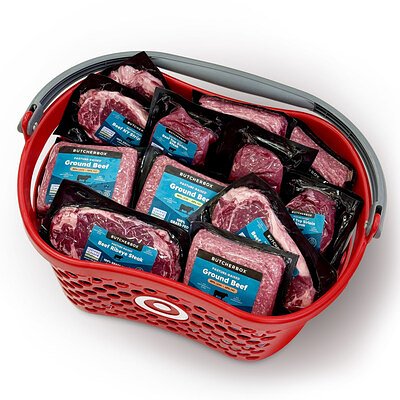
ButcherBox's Big Retail Bet: From Subscription Box to Target's Aisles
WATERTOWN, Mass. – January 15, 2026 – ButcherBox, a brand that built its empire delivering frozen, high-quality meats directly to consumers' doors, today made its boldest move yet, stepping from the digital world into the physical grocery aisle. The company announced an exclusive partnership with Target, launching a line of fresh, 100% grass-fed beef products in more than 1,400 stores nationwide.
For a brand that has thrived since 2015 on a subscription-based, direct-to-consumer (DTC) model, this expansion into brick-and-mortar represents a significant strategic pivot. The move places ButcherBox's premium products—previously available only through its website—directly in the path of millions of weekly shoppers, testing whether a digitally native brand can conquer the complexities of mass retail.
A Strategic Leap from Clicks to Carts
Since its inception, ButcherBox has cultivated a loyal following of nearly two million households, delivering over a billion meals and exceeding $570 million in revenue in 2025. Its success was built on convenience and a promise of quality: 100% grass-fed, grass-finished beef, free-range organic chicken, and wild-caught seafood, all sourced from partners with third-party animal welfare certifications. Now, the company is betting that this same promise will resonate with a much broader audience.
The decision to partner with Target is a calculated response to evolving consumer habits and market dynamics. While e-commerce boomed in recent years, industry data reveals a persistent preference for in-person grocery shopping. According to ButcherBox's own research, nearly 60 percent of Americans still make an average of 2.1 trips to the grocery store per week.
"When we think about helping consumers solve the 4 p.m. question of, 'what's for dinner?', we know having a retail presence and a non-frozen product is a key driver of ButcherBox becoming the answer to that question on a broader level," said Reba Hatcher, Chief Commercial Officer at ButcherBox. The new line of fresh beef—including ground beef, ribeye, NY strip, and top sirloin steaks—is designed to capture these immediate, dinner-tonight decisions that the frozen subscription model can't always address.
This move also reflects a broader trend among successful DTC brands. As online customer acquisition costs soar, many are turning to an omnichannel strategy, leveraging the vast reach of established retailers. For ButcherBox, this isn't just about selling more meat; it's about building a ubiquitous brand presence, whether a shopper is discovering them for the first time or a current subscriber is grabbing an extra steak between deliveries.
Target's Deepening Commitment to Wellness
This partnership is as much a story about Target as it is about ButcherBox. The retail giant has been aggressively curating its aisles to become a destination for health and wellness, a strategy that has proven highly successful in attracting and retaining its core demographic. The company announced plans to expand its wellness assortment by 30% in 2026, building on the more than 1,000 new wellness-focused products it introduced in early 2024.
Bringing in a brand like ButcherBox—a B-Corp Certified company with stringent standards on animal welfare and no added hormones or antibiotics—is a clear signal of this strategy in action. It allows Target to offer a premium, ethically sourced product that aligns with growing consumer demand for food transparency.
"This opportunity isn't just about showcasing our brand on Target shelves nationwide," Hatcher noted. "It's a major signal in the increasing demand from consumers for healthier meat and making better meat accessible at a larger scale."
The groundwork for this launch was laid in 2025 when ButcherBox joined Target Plus, the retailer's curated digital marketplace. This initial online partnership served as a valuable trial, providing ButcherBox with crucial insights into the Target shopper's preferences and purchasing habits, ultimately informing the selection of fresh beef cuts now rolling out in stores.
Meeting the Demand for Conscious Consumption
The ButcherBox-Target alliance taps directly into a powerful shift in the American diet. The market for premium and grass-fed meat is expanding rapidly. Projections show the grass-fed beef market alone is expected to grow by over $3 billion by 2029, potentially reaching a value of over $21 billion by 2035.
This growth is fueled by a more informed and discerning consumer. Shoppers are increasingly aware of the nutritional benefits linked to grass-fed beef, such as higher levels of omega-3 fatty acids, and are wary of antibiotics and added hormones in their food. Furthermore, ethical considerations are playing a larger role in purchasing decisions. Research indicates that nearly half of U.S. consumers consider sustainability an important factor when buying food, and about 47% are willing to pay a premium for meat that is quality-assured and ethically sourced.
By placing its certified, transparently sourced products in 1,463 Target locations across 326 cities, ButcherBox is effectively democratizing access to a category of meat that was once considered a niche or specialty item, available only in high-end butcher shops or through online subscriptions.
The Omnichannel Challenge: Scaling Quality and Balancing Channels
While the opportunities are immense, the transition from a pure DTC player to a hybrid retail powerhouse is not without its challenges. The primary hurdle will be operational. Managing a supply chain for fresh products across a national retail network is vastly more complex than shipping frozen boxes from a central warehouse. ButcherBox must ensure its rigorous standards for quality and ethical sourcing can be maintained at this massive new scale without faltering.
Another significant challenge is managing potential channel conflict. The company must carefully navigate its relationship with its loyal subscription base, ensuring that the convenience and value of the DTC service remain distinct and compelling. The goal is synergy, where retail exposure drives new subscribers and the subscription service reinforces brand loyalty, rather than cannibalization, where in-store availability erodes the core subscription business.
Success will depend on flawlessly executing a complex omnichannel strategy, integrating inventory, marketing, and customer data across both channels. For ButcherBox, this launch is the ultimate test of its brand strength and operational prowess. For the retail industry, it serves as a powerful case study in the ongoing convergence of digital and physical commerce, where the future belongs to brands that can meet customers wherever they choose to shop.