
- 93% placement rate within nine months of graduation for Bucknell's Class of 2024
- 50+ students secured full-time positions in just seven weeks of the program
- 77% of employers now expect new hires to have experience with AI tools
Experts would likely conclude that Bucknell's proactive, personalized Career Search Accelerators program effectively bridges the gap between academia and the modern job market, offering a scalable model for career readiness in higher education.
Bucknell's Career Accelerators: A New Model for Graduate Success
LEWISBURG, PA – April 29, 2026 – As a new generation of graduates enters a workforce fundamentally altered by artificial intelligence and rapid technological change, universities are scrambling to redefine their role in career preparation. At Bucknell University’s Kenneth W. Freeman College of Management, a novel, hands-on approach is not just a proposal but a reality that is already yielding significant results.
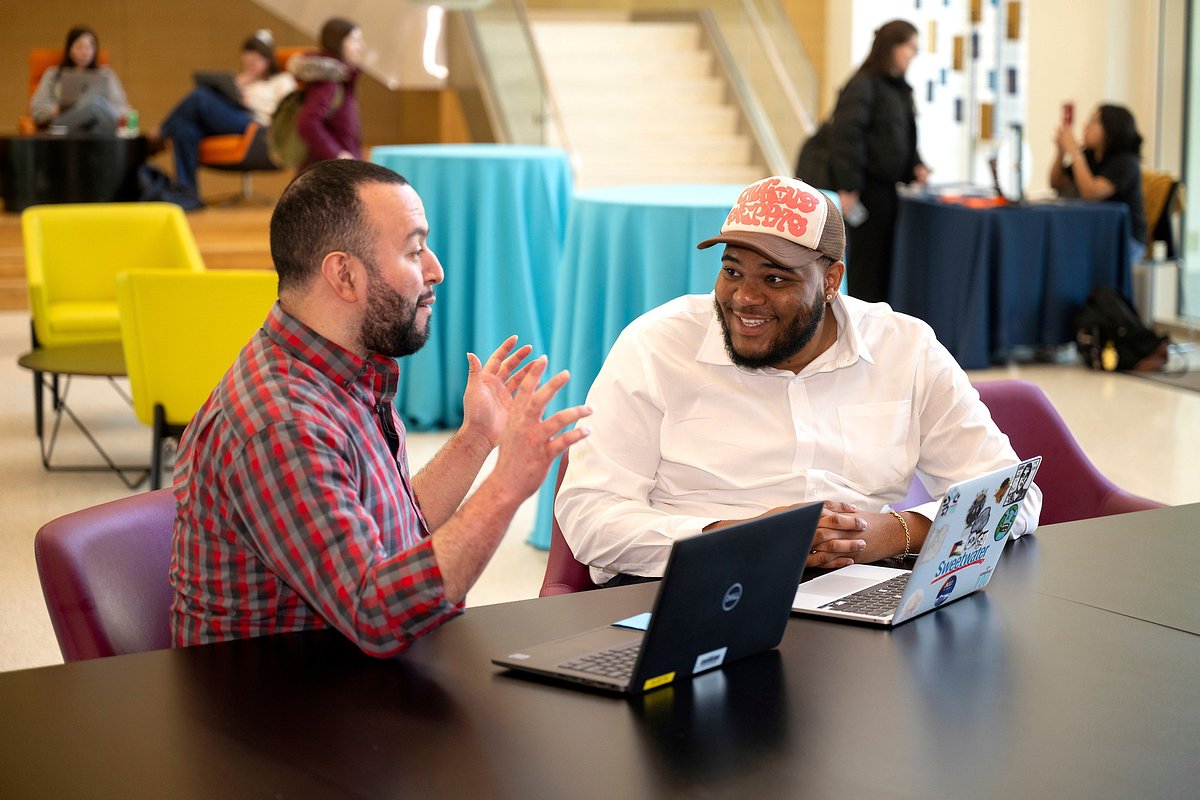
This spring, the college launched its Career Search Accelerators program, creating two specialized positions designed to move beyond the traditional, passive model of career services. Instead of waiting for students to seek help, the accelerators proactively identify and engage with those still navigating the job search, offering intensive, one-on-one coaching that is showing how personalized support can bridge the gap between campus and a complex, modern career landscape.
A Proactive Shift in Career Support
The initiative represents a fundamental shift from reactive to proactive support. While Bucknell has historically boasted strong outcomes—its Class of 2024 reported a 93% placement rate within nine months of graduation—the university recognized that today’s challenges require a more embedded and dynamic strategy. The Freeman College, where graduates already earned an average starting salary of over $79,000 in 2023, is leveraging its close-knit scale to pioneer this highly individualized model.
In just its first seven weeks, the program has helped more than 50 students secure full-time positions. Dozens more have had their application materials, search strategies, and interviewing skills sharpened. The accelerators provide industry-specific guidance, assist with interview preparation, and even coach students on salary negotiation tactics, equipping them with practical skills for a competitive market.
"Ensuring our graduating seniors are ready to succeed in their job search is a top priority, and we are committed to providing the resources and support they need to achieve their career goals," says Michelle Roehm, Kenneth W. Freeman Professor & dean of the College of Management. "We are very proud to see the early successes of having a specialized, embedded layer of support at Freeman for our students."
The Human Touch in an AI-Driven World
The program’s launch is particularly timely. Recent industry reports highlight a growing disconnect between academia and the corporate world. A NACE Job Outlook 2026 update found that while nearly 90% of students feel their institution prepared them for a career, other studies show only 28% of employers agree. This gap is magnified by the rise of AI, with 77% of employers now expecting new hires to have experience with AI tools, yet only 14% of graduates report high proficiency.
This is where the human element of the Accelerator program becomes critical. The initiative is staffed by two seasoned professionals, Lisa Ford and Tony Gomez ’16, who bring a wealth of diverse experience. Ford has over 25 years of experience in student development, including designing career-focused programs at Penn State's Smeal College of Business. Gomez, a Bucknell alumnus with a recent MBA, brings direct experience from the corporate world, having recruited for Fortune 500 companies.
Their role is to provide the nuance, encouragement, and strategic thinking that an algorithm cannot. They help students build confidence and translate their academic experiences into compelling narratives for employers. For Kenneth “KJ” Scott ’26, a markets, innovation & design major, this personalized coaching was transformative.
Scott secured what he calls a “life-changing” job as a project engineer at Clark Construction Group. He worked directly with Gomez, who is based in California, to polish his interview skills. Gomez's location provides an added benefit, offering students firsthand knowledge of West Coast markets that can feel distant from their Pennsylvania campus.
"Working with the Career Accelerators helped me with my overall confidence," Scott says. "I think it had a lot of impact."
From Anxiety to Opportunity
Scott’s journey highlights the profound impact of targeted support. As a scholar in the Posse Program and the first in his family to earn a bachelor’s degree, the pressure to secure a good job was immense. He initially networked with Bucknell alumni at Clark Construction, who gave him a helpful overview of the role.
"I reached out to my network, and they gave me a brief rundown about what the job entails, but I wouldn't have had what I needed if I relied on just them," Scott explains. The Accelerator program provided the crucial next step. "Tony was very upbeat and inviting and gave me a lot of words of encouragement and built my confidence. He knew what I needed and continuously followed up."
This sustained, relationship-driven guidance is the program's cornerstone. For Scott, having a promising job with a strong salary lined up weeks before graduation made the rigors of the past four years feel worthwhile.
"It feels surreal to me," he says. "I haven't taken it all in yet. It's a blessing, to say the least, and very exciting. It made all of the stress and hard work of the past four years feel worth it."
A Potential Blueprint for Higher Education
While Bucknell's intimate scale is an advantage in deploying such a high-touch model, the principles behind the Career Search Accelerators offer a potential blueprint for other institutions. The core idea—meeting students where they are—is universally applicable.
"Every student brings a unique background and a distinct set of ambitions to the table," notes Lisa Ford, one of the program's accelerators. "Our job is to provide the support and empower the students to lead their own journeys and find success in their desired careers."
Replicating this model requires institutional commitment and resources, but its success underscores the increasing importance of integrating career readiness directly into the student experience. As the job market continues to evolve, the universities that succeed will be those that, like Bucknell, invest in innovative structures that build not only knowledge but also the confidence and practical skills necessary for long-term career success. This proactive approach ensures that a college degree is not just an academic credential but a direct and powerful launchpad into a meaningful future.