
- 85% of adults with autism are unemployed or underemployed
- Kind Cup Coffee Shop provides hands-on vocational training for neurodiverse students
- Program focuses on both technical and soft skills, including communication and professionalism
Experts agree that successful vocational training for neurodiverse individuals must integrate hands-on experience with social skills training and confidence-building exercises.
Brewing Success: How a School Coffee Shop Tackles Autism Employment Gap
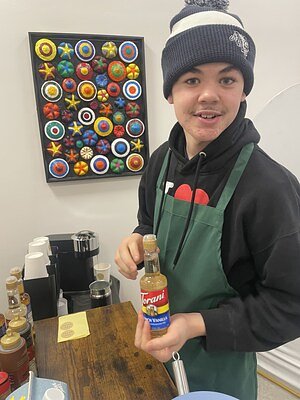
MOHEGAN LAKE, N.Y. – February 04, 2026 – At Shrub Oak International School, the aroma of freshly brewed espresso is more than just a morning perk-up for staff; it’s the scent of opportunity. Here, a mobile coffee cart known as the Kind Cup Coffee Shop is serving as a powerful, hands-on classroom, providing neurodiverse students with the vocational skills and confidence needed to navigate the professional world. The innovative internship program is a direct and creative response to a persistent challenge: preparing students on the autism spectrum for meaningful adulthood and employment.
This initiative comes at a critical time. While awareness of neurodiversity has grown, employment outcomes for autistic adults remain troublingly low. Research consistently highlights a significant “autism employment gap,” with estimates suggesting that as many as 85% of adults with autism are unemployed or underemployed. Barriers range from the social nuances of a traditional job interview to sensory challenges in a typical workplace, creating a landscape where capable individuals are often left on the sidelines. Programs like the Kind Cup aim to methodically dismantle these barriers from the ground up.
The Anatomy of a Supportive Internship
The Kind Cup operates as a real-world business within the supportive ecosystem of the school. Student interns are not just playing roles; they are taking on genuine responsibilities that mirror the demands of a customer service job. The internship curriculum is meticulously structured, breaking down complex tasks into manageable steps. Interns practice everything from greeting their customers—the school's own staff members—to preparing a range of beverages, fulfilling orders accurately, tracking inventory, and following consistent routines for opening and closing the cart.
This process is guided by dedicated job coaches who provide clear instruction, repetition, and constant support. This allows students to build proficiency and confidence at their own pace, transforming a potentially overwhelming environment into a space for growth. The goal is to cultivate not just technical ability but also the soft skills—communication, professionalism, and teamwork—that are essential for long-term career success.
"The Kind Cup was created to give students an authentic work experience right here on campus," said Amanda Morin, the Shrub Oak International School Job Coach who developed and supports the program. "Our goal is to help students discover their strengths, practice real job skills, and feel pride in contributing to something that connects them with others. The program has been especially impactful in helping students experience the satisfaction that comes from meaningful work and positive engagement with staff."
More Than a Job: Building Skills and Community
Beyond the tangible skills of a barista, the Kind Cup internship fosters crucial social-emotional development. For many neurodiverse individuals, workplace social dynamics can be a significant hurdle. The coffee cart provides a natural, low-stakes environment for students to practice interactions, receive immediate feedback, and build rapport with familiar faces. It transforms a simple transaction—ordering a latte—into a meaningful moment of connection that builds a stronger campus community.
The program’s design intentionally incorporates elements that encourage flexibility and problem-solving. The menu includes standard espresso options but also features rotating weekly specials and seasonal flavors. This introduces variety and requires interns to adapt to menu changes, learn new preparations, and engage with the creative side of the business. This strategic approach helps students develop cognitive flexibility, a skill that is highly valued in any modern workplace.
This focus on holistic development aligns with established best practices in vocational training for neurodiverse individuals. Experts agree that successful programs must move beyond rote memorization and instead integrate hands-on experience with social skills training and confidence-building exercises. By creating a space where students feel a sense of purpose and belonging, Shrub Oak is nurturing the person as well as the potential employee.
A Blueprint for Inclusive Vocational Training
The Kind Cup Coffee Shop is a powerful example of a supported employment model, a strategy widely recognized for its effectiveness in helping individuals with disabilities secure and maintain competitive employment. It provides a vital bridge between the structured world of education and the often-unpredictable demands of the workforce. By offering this experience on campus, the school minimizes common barriers like transportation and allows students to learn in a familiar setting before transitioning to external opportunities.
This initiative is a cornerstone of Shrub Oak International School's broader commitment to transition planning. The school, which serves autistic children, adolescents, and young adults, is dedicated to providing strengths- and passion-based learning that prepares students for life beyond graduation. The skills honed at the Kind Cup are directly transferable to future internships, volunteer positions, and paid employment, giving students a concrete advantage as they enter adulthood.
As businesses and industries increasingly seek to build more inclusive and neurodiverse workforces, models like the Kind Cup offer a replicable blueprint for success. It demonstrates that with the right structure, support, and focus on individual strengths, it is possible to effectively equip neurodiverse youth with the tools they need to not only find a job but to thrive in a career. By investing in such hands-on programs, Shrub Oak International School is empowering its students to build greater independence and claim their meaningful roles within the community and the wider economy.