
- 70% lower carbon footprint: Bio-Pur® foam used in Lucy reduces carbon footprint by up to 70% compared to traditional polyurethane foams. - 50% reduction in carbon footprint: Renewing furniture can halve the carbon footprint compared to purchasing new alternatives. - 2025 sustainability goal: Boss Design aims to become carbon-neutral and zero-waste by 2025.
Experts would likely conclude that Boss Design's Lucy Chair sets a new industry standard by proving that sustainability, durability, and design excellence can coexist, offering a viable solution to reduce furniture waste and carbon emissions.
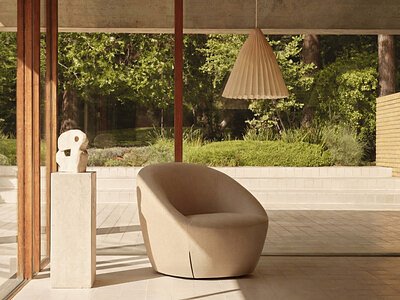
Boss Design's Lucy Chair Aims to End Disposable Furniture Culture
HIGH POINT, N.C. – May 20, 2026 – In an industry grappling with the environmental cost of a “take-make-dispose” culture, Boss Design has introduced a product that serves as both a statement piece and a statement of intent. The new Lucy lounge chair, a sculptural and sumptuously comfortable seat, conceals a radical re-imagining of furniture lifecycle. Beneath its elegantly tailored exterior lies an innovative system designed for renewal, not replacement, positioning the chair as a direct challenge to the disposable nature of modern commercial interiors.
For decades, the standard practice in high-traffic environments like corporate offices, hotels, and healthcare facilities has been to discard furniture when its upholstery becomes worn, stained, or dated. This happens even when the underlying frame remains perfectly sound, contributing to millions of tons of furniture waste entering landfills annually. Lucy aims to fundamentally alter this equation by building a circular philosophy into its very core.
A Revolutionary Approach to Renewal
The most significant innovation in the Lucy chair is its removable upholstery system. Inspired by the durable and flexible elastic tension systems found in boating equipment, the design allows for the fabric cover to be removed and replaced on-site, without specialized tools or the need to transport the chair to an off-site workshop. This is made possible by a discreet bungee cord system hidden beneath the seat, which ensures a consistently taut, tailored finish but can be released and re-secured with ease.
“Lucy is everything you would expect from Boss Design: curvaceous, organic in form, beautifully tailored and exceptionally comfortable,” noted Aaron Clarkson, the company's Senior Product Designer, in the official announcement. “We wanted to create a lounge chair that anticipates renewal from the very beginning.”
This design feature has profound practical implications for facility managers and designers. The ability to reupholster a chair in minutes, without removing it from the building, drastically reduces operational disruption. A lobby, lounge, or office can be refreshed overnight with minimal downtime and labor, a stark contrast to the logistical complexities and costs associated with replacing entire furniture sets. This shift transforms maintenance from a disruptive, wasteful event into a simple, efficient update.
The Compelling Economics of Longevity
Beyond the operational convenience, Lucy presents a powerful business case for adopting a circular mindset. While furniture designed for longevity may carry a higher initial investment than its “fast furniture” counterparts, a lifecycle cost analysis reveals a different story. By extending the usable life of the chair's core structure indefinitely, businesses can avoid the recurring capital expenditure of full replacements.
This model reframes furniture as a long-term “carbon asset” rather than a short-term, disposable good. The cost of a new fabric cover is significantly less than the cost of a new chair, and the associated carbon footprint of renewal is dramatically lower. According to industry analyses, renewing furniture can halve the carbon footprint compared to purchasing a new alternative. For companies with ambitious Environmental, Social, and Governance (ESG) targets, investing in products like Lucy becomes a tangible way to reduce waste, lower carbon emissions, and demonstrate a commitment to corporate sustainability.
The economic benefits extend beyond direct cost savings. In a competitive market, creating healthy, sustainable, and aesthetically pleasing environments can improve employee well-being and attract environmentally conscious clients. The Lucy chair contributes to this by meeting stringent indoor air quality standards, with many of Boss Design's products achieving GREENGUARD Gold certification for low Volatile Organic Compound (VOC) emissions.
A Blueprint for Sustainable Manufacturing
Lucy’s sustainability credentials are not limited to its innovative cover. The chair is a showcase of conscientious material selection, reflecting a deep commitment to responsible manufacturing. The cushioning is made from Bio-Pur® foam, a biomass-balanced material that utilizes renewable raw materials like vegetable oils. This advanced foam delivers a carbon footprint up to 70% lower than that of traditional fossil-based polyurethane foams, without compromising on comfort or durability.
The chair’s internal structure is equally considered. It features a fully recyclable steel frame and plywood certified by the Forest Stewardship Council (FSC), ensuring the timber is sourced from responsibly managed forests that protect biodiversity and worker rights. Furthermore, the design incorporates minimal bolt fixings, a key principle of “Design for Disassembly.” This thoughtful engineering ensures that at the very end of its long life, the chair can be easily taken apart, allowing its constituent materials to be efficiently recovered, recycled, or repurposed.
These product-level decisions are backed by a robust corporate strategy. Boss Design aligns its environmental management system with the ISO 14001 standard and is actively pursuing a goal to become a carbon-neutral, zero-waste group by 2025. This holistic approach, from material sourcing to end-of-life planning, demonstrates that Lucy is not an isolated green initiative but the product of a systemic shift towards a circular economy.
Reshaping an Industry's Future
More than just a new product, the Lucy lounge chair represents a potential turning point for the commercial furniture industry. It offers a tangible, elegant solution to the pervasive problem of waste and obsolescence. By proving that beauty, comfort, and performance can coexist with environmental responsibility, it sets a new benchmark for what designers, manufacturers, and clients should expect from commercial furnishings.
The transition to a fully circular economy in the furniture sector faces challenges, including the need for scalable take-back programs and shifting consumer habits away from the lowest upfront cost. However, innovations like Lucy’s tool-free reupholstery system directly address a major hurdle: the high cost and complexity of repair. By making renewal simple and cost-effective, it creates a powerful incentive to extend a product's life.
As businesses and consumers become increasingly aware of their environmental impact, the demand for products that are built to last and designed with intention is growing. The Lucy chair is not merely a piece of furniture; it is a physical manifestation of a more sustainable future, one where design ingenuity ensures that what we create today can be valued, renewed, and appreciated for many years to come.