
- First in the Midwest: biota Landscapes is the first landscape company in the Midwest to achieve B Corp certification.
- High Certification Bar: The median score for businesses completing the B Impact Assessment is just under 51; biota achieved a score of at least 80.
- Sustainability Milestones: The company's headquarters has been entirely solar-powered since 2021, reducing its carbon footprint.
Experts would likely conclude that biota Landscapes' B Corp certification sets a new standard for ethical and sustainable practices in the landscaping industry, demonstrating a rigorous commitment to social and environmental responsibility that goes beyond conventional green initiatives.
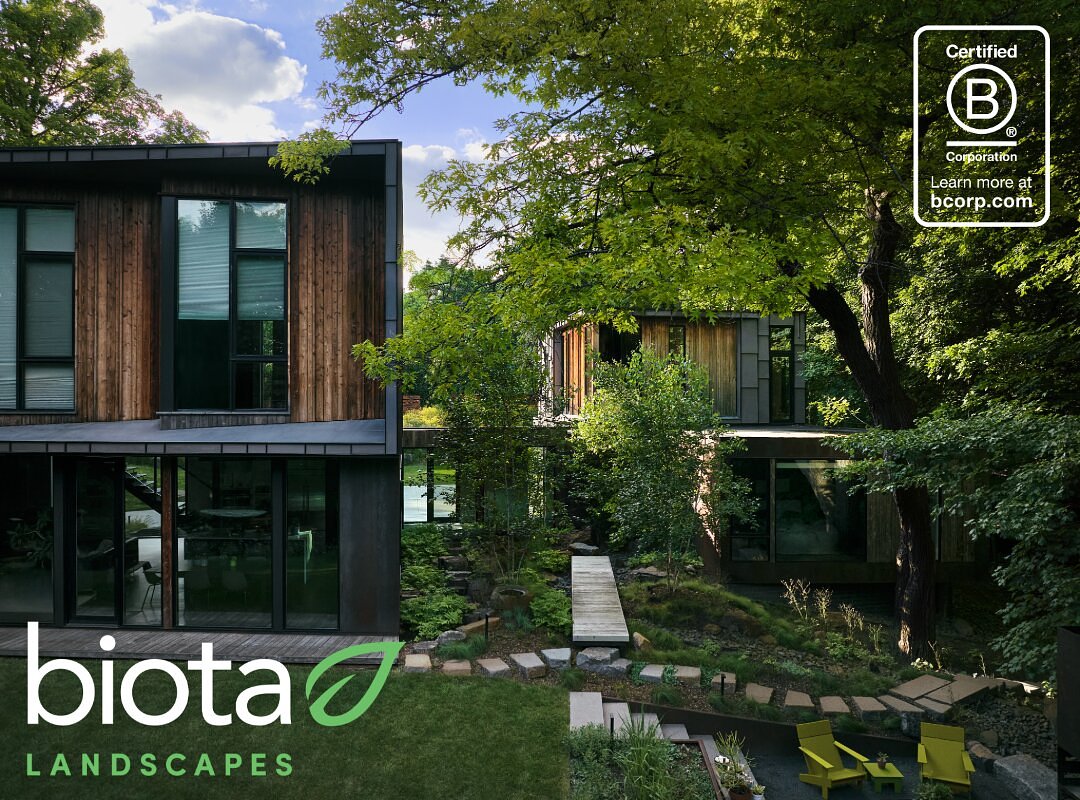
biota Landscapes Sets New Midwest Standard with B Corp Certification
MINNEAPOLIS, MN – April 23, 2026 – In a move that signals a significant shift for the regional green industry, Minnesota-based biota Landscapes has officially become a Certified B Corporation™. The announcement makes the luxury design, build, and care firm the first landscape company in the Midwest to earn the prestigious certification, joining a global movement of businesses committed to balancing profit with purpose.
The certification, granted by the non-profit B Lab®, is a rigorous validation of a company's commitment to high standards of social and environmental performance, public transparency, and legal accountability. For biota Landscapes, this milestone is less a change in direction and more a formal recognition of a philosophy that has guided the company since its inception.
The Rigorous Path to B Corp Status
Achieving B Corp certification is a demanding process designed to separate genuine commitment from superficial marketing. Unlike product-specific labels, this certification scrutinizes a company's entire operation. Businesses undergo the B Impact Assessment (BIA), a comprehensive evaluation of their impact on five key areas: Governance, Workers, Community, Environment, and Customers.
To certify, a company must achieve a verified score of at least 80 out of 200 points on the BIA, a threshold that proves difficult for many. The median score for businesses that complete the assessment is just under 51, highlighting the high bar for entry. The process involves detailed documentation, interviews, and a thorough verification by B Lab analysts. Furthermore, B Corps must amend their corporate governance documents to legally require the consideration of all stakeholders—not just shareholders—in decision-making. This legal commitment ensures that the company's social and environmental mission is protected over the long term.
This commitment is not a one-time achievement. Certified B Corporations must undergo the verification process and recertify every three years, demonstrating continuous improvement and adaptation to evolving standards. This ongoing accountability ensures the B Corp seal remains a trusted indicator of ethical and sustainable business practices.
A Business Model Rooted in Responsibility
Long before pursuing certification, biota Landscapes operated under an integrated "Design → Build → Lifetime Care" model. This holistic approach ensures that the landscapes they create are not only beautiful upon installation but are also designed to mature, evolve, and increase their ecological value over time. This philosophy aligns directly with the B Corp principle of creating long-term, positive impact.
"You can't separate a truly great landscape from the principles behind it," said Steve Modrow, Co-Founder of biota Landscapes, in a statement. "The way we approach design, the plants we select, and the relationships we cultivate have always represented something deeper than aesthetics. B Corp Certification validates what we've practiced all along."
This approach challenges the conventional project-based mindset common in the construction and landscaping industries. By committing to the lifetime care of their projects, the firm takes ownership of the long-term health of the ecosystems it helps create, from soil health to plant vitality and water management.
From Solar Panels to Native Plants: Stewardship in Action
The company's environmental bona fides are extensive and deeply integrated into its daily operations. Since 2021, its headquarters has been entirely powered by a solar array, which not only runs the facility but also charges its fleet of battery-operated horticultural equipment. This initiative drastically reduces the company's carbon footprint and eliminates the noise and air pollution associated with traditional gas-powered tools, benefiting both employees and the neighborhoods where they work.
Their design philosophy heavily emphasizes ecological function. The firm prioritizes native plantings that support local biodiversity, creating habitats for pollinators and other wildlife. Instead of relying on conventional hardwood mulch, they often use low-growing plants as "green mulch," a living groundcover that helps retain soil moisture and suppress weeds naturally. Stormwater management is another key focus, with the implementation of rain gardens and permeable paving systems to reduce runoff and replenish groundwater.
This commitment extends to their maintenance practices, which are entirely chemical-free. Furthermore, their sustainability efforts include small but impactful details, such as reusing most plant containers through a partnership with a local grower and meticulously sorting job-site debris to ensure all green waste is composted.
Cultivating Community Beyond the Garden
biota Landscapes' commitment to its stakeholders extends well beyond its clients and into the broader community. The firm has a long history of local investment, dating back to 2005 with tree planting initiatives in Minneapolis neighborhoods devastated by storms. These efforts help restore the urban canopy, which is crucial for improving air quality, reducing heat island effects, and promoting public well-being.
The company has also dedicated resources to installing garden and nature-based play spaces in underserved communities, providing children with vital connections to the natural world. These projects include building vegetable gardens to teach "garden to table" concepts and creating play areas that foster creativity and physical health for children facing systemic inequities.
"This certification reflects how we've always run the business — with accountability to more than the bottom line," added Co-Founder Jim Saybolt. "It's a public commitment to keep improving how we operate: how we treat our team, how we serve our clients, and how we show up for our community. Joining the B Corp community makes that commitment official."
Setting a New Standard for the Green Industry
By becoming the first landscape firm in the Midwest to achieve B Corp status, biota Landscapes is not just celebrating its own practices but is also setting a new benchmark for the entire industry. In a market where terms like "green" and "sustainable" are often used loosely, this third-party verification provides a clear and trustworthy differentiator.
This distinction is particularly powerful in the luxury market, where clients are increasingly seeking to align their spending with their values. The B Corp seal serves as a powerful signal to conscious consumers that a company's claims of social and environmental responsibility have been thoroughly vetted. This can be a significant advantage in attracting and retaining high-value clients who appreciate a deeper level of commitment.
Moreover, the certification is a powerful tool for attracting and retaining top talent. With a growing number of employees, particularly from younger generations, prioritizing purpose-driven work, B Corp status makes a company a more attractive employer. It assures potential hires that the business is genuinely committed to fair labor practices, employee well-being, and positive community impact. This pioneering step by biota Landscapes may well inspire a wave of similar commitments from other firms, pushing the entire Midwest green industry toward a more sustainable and accountable future.