
- $26 billion: Projected global market size for agricultural microbials by 2034
- 20 years: Dr. Curtis's experience in biopharma and agricultural biology
- AMS Platform: BioConsortia's proprietary technology for microbial selection and optimization
Experts would likely conclude that BioConsortia's appointment of Dr. Curtis reflects a strategic move to leverage advanced genomics and gene editing for sustainable agriculture, positioning the company as a leader in developing commercially viable microbial solutions for global growers.
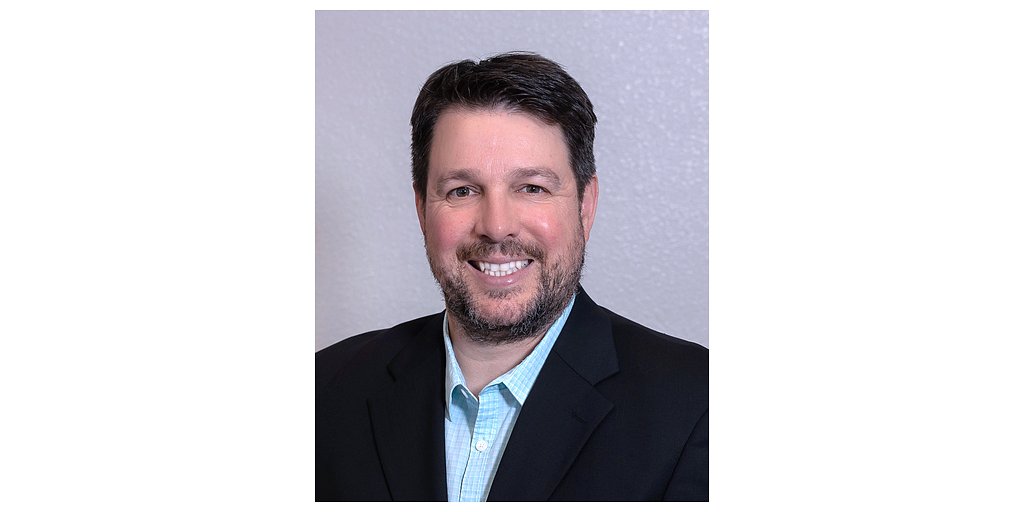
BioConsortia Taps Biotech Veteran to Lead Next Wave of Ag-Tech R&D
DAVIS, CA – June 01, 2026 – In a strategic move signaling a deepened commitment to cutting-edge science, agricultural technology leader BioConsortia, Inc. has appointed Dr. Damian Curtis as its new Senior Vice President of Research & Development. The promotion from within underscores the company’s focus on leveraging advanced genomics and gene editing to accelerate its pipeline of microbial products for sustainable agriculture.
Dr. Curtis, a seasoned scientist with a career spanning both biopharma and agricultural biology, succeeds Dr. Hong Zhu, who will transition to the company’s Strategic Advisory Board. This leadership shift comes as BioConsortia aims to solidify its position in a rapidly expanding market for biological alternatives to synthetic fertilizers and pesticides, reinforcing its strategy of translating complex science into commercially viable solutions for global growers.
“Damian’s appointment reflects the exceptional caliber of scientific talent we have built at BioConsortia,” said CEO Marcus Meadows-Smith in a statement. “Promoting from within demonstrates the strength of our R&D organization and our confidence in the scientific foundation that has made us a leader in agricultural microbial innovation.”
A Career Forged at the Nexus of Science and Commerce
Dr. Curtis brings nearly two decades of high-level scientific leadership to the role, a journey that has uniquely prepared him to guide BioConsortia’s next phase of innovation. His career began not in agriculture, but in biopharma at Exelixis, where he spent five years contributing to drug discovery projects. This foundation in human health provided him with a deep-seated expertise in molecular biology and genomics that would later prove invaluable in the agricultural sector.
His transition to agricultural research began at AgraQuest, a pioneering biocontrol company that was eventually acquired by Bayer. His time there provided formative experience in the development and commercialization of biological crop protection products, bridging the gap between laboratory discovery and real-world application. Following the acquisition, Dr. Curtis spent nearly eight years at Bayer CropScience, where he rose to become a Senior Principal Scientist. There, he led microbiology research and microbial genetic systems, deepening his expertise in genomics and supporting global product lines like the Poncho/VOTiVO 2.0 seed treatment.
Since joining BioConsortia as Director of Synthetic Biology and Genomics, Dr. Curtis has been a central figure in advancing the company’s proprietary microbial discovery platform. He has been instrumental in strengthening its capabilities in genome-informed strain selection, gene editing, and functional characterization—the core technologies driving the development of its next-generation products.
“Damian combines deep expertise in microbiology, genomics, and gene editing with the strategic vision to translate cutting-edge science into commercially impactful agricultural products,” Meadows-Smith added.
A Strategic Focus on Next-Generation Microbial Solutions
Dr. Curtis’s appointment is tightly aligned with BioConsortia’s strategic priorities. The company is heavily invested in its Advanced Microbial Selection™ (AMS) platform, a patented process that uses directed selection to identify and optimize microbes that confer benefits to plants. This data-driven approach allows for the rapid identification of elite microbial strains for nitrogen fixation, pest control, and biostimulant activity.
A key part of this strategy is a focus on Gram-positive microorganisms, particularly those that form hardy endospores. These microbes are highly valued in the industry for their inherent durability, which translates to a longer shelf-life and greater stability in harsh field conditions. Their robustness simplifies the formulation process and allows them to be applied as low-dose seed treatments, making them more convenient and reliable for growers. This focus on spore-forming bacteria is central to BioConsortia's product pipeline, including its N-POWER™ nitrogen-fixing products and its CRIMSON™ and GARNET™ fungicides.
Under Dr. Curtis’s leadership, the company is expected to further intensify its use of genomics and gene editing tools like CRISPR. These technologies enable scientists to precisely and rapidly optimize microbial strains, enhancing their natural abilities to fix nitrogen from the air or protect plants from disease. This is a significant leap beyond simply discovering beneficial microbes; it involves actively engineering them for superior performance.
“BioConsortia has assembled one of the most advanced microbial R&D organizations in agriculture,” Dr. Curtis stated. “What differentiates this company is the integration of discovery biology, genomics, computational analytics, strain engineering, fermentation, formulation, and field development into a single innovation engine. I’m excited to expand our capabilities in microbial genomics and gene editing to develop next-generation biological solutions that deliver meaningful value to growers globally.”
Continuity, Vision, and a Booming Market
The transition is designed for seamless continuity. Dr. Hong Zhu, whom Dr. Curtis succeeds, was instrumental in building the scientific organization that defines BioConsortia today. His move to the Strategic Advisory Board ensures his deep institutional knowledge and scientific vision will continue to guide the company's long-term strategy. This type of planned succession, which elevates internal talent while retaining the wisdom of veteran leadership, is a hallmark of mature and confident organizations.
“Hong’s leadership established the company’s reputation for technical excellence and positioned us for our next chapter of growth,” said Meadows-Smith. “We are pleased that he will continue contributing as a strategic advisor.”
This leadership evolution is timed perfectly to address a seismic shift in the agricultural industry. The global market for agricultural microbials is projected to more than double in the next decade, potentially reaching over $26 billion by 2034. This growth is fueled by increasing consumer demand for sustainably produced food, regulatory pressure to reduce chemical inputs, and the urgent need for climate-resilient farming solutions. Companies like BioConsortia, which are developing effective biological alternatives to synthetic nitrogen fertilizers and chemical pesticides, are at the forefront of this quiet revolution. By developing products that enhance crop productivity while reducing agriculture's ecological footprint, they are not just creating commercial opportunities but also addressing some of the world's most pressing challenges in food security and environmental health.