
- $13 billion: Projected global market for bio-based adhesives within the next decade
- 70% of funding: BioBond commits to spending this in rural areas of the US
- USDA BioPreferred certified: Product is plant-based and free of VOCs, microplastics, and PFAS
Experts would likely conclude that BioBond's plant-based adhesive represents a significant advancement in sustainable manufacturing, offering a high-performance, eco-friendly alternative to traditional fasteners with potential to disrupt mobility and defense industries while fostering rural economic development.
BioBond Launches Plant-Based Adhesive to Transform US Manufacturing
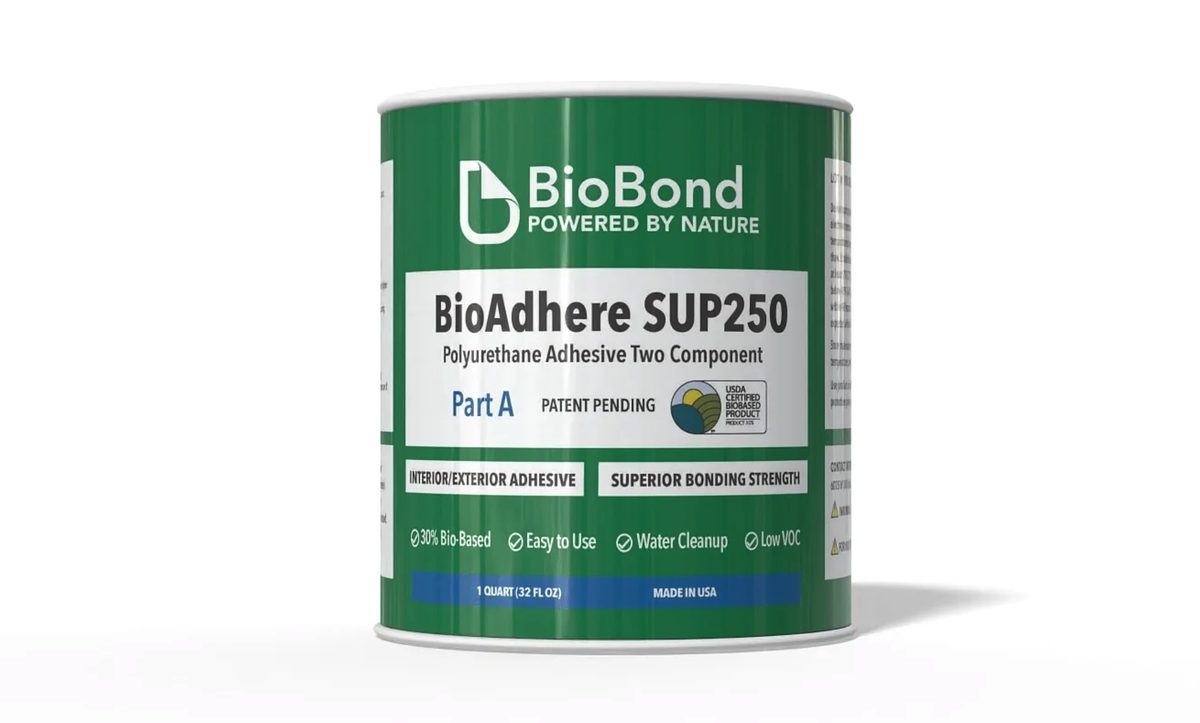
LAFAYETTE, IN – January 15, 2026 – In a move that could redefine how cars, drones, and defense equipment are built, Indiana-based BioBond Adhesives, Inc. today launched BioAdhere™ SUP250, a high-performance industrial adhesive engineered from plant-based materials. The new product is designed to replace traditional mechanical fasteners like screws and welding, offering a lighter, more durable, and environmentally safer alternative for the demanding mobility and defense sectors.
This launch positions BioBond at the intersection of several critical industry trends: the push for lightweight materials to improve efficiency in electric vehicles and aircraft, the growing regulatory and consumer pressure to eliminate toxic chemicals from manufacturing, and a novel venture capital model aimed at revitalizing rural American economies. The company asserts that its new adhesive is not a compromise but a direct upgrade, offering superior strength at a competitive price point.
"We are introducing a true game-changer that will have an immediate and significant impact on the industry," said Marc McConnaughey, BioBond's CEO, in the official announcement. He emphasized that the product's performance and pricing are designed to enable a broad shift away from traditional attachment methods. This signals a potential disruption in industries where every gram of weight and every point of structural integrity counts.
Performance Without Compromise in Demanding Fields
The primary targets for BioAdhere™ SUP250—the mobility and defense markets—are notoriously stringent in their material requirements. From the stress of high-speed maneuvers in military drones to the constant vibrations in an electric vehicle's battery pack, adhesives must provide unwavering reliability in extreme conditions. BioBond claims its new two-part urethane adhesive, developed in its Santa Ana Technology Labs, is engineered specifically for this challenge.
"The defense and mobility markets, including emerging form factors like drones, demand materials that allow for lighter structures, longer flight times, and extreme durability in harsh environments," explained Greg Piche, Vice President of Products at BioBond. "BioBond's new adhesive meets this challenge head-on."
The shift from mechanical fasteners to adhesives is a well-established trend in the automotive and aerospace industries. Adhesives distribute stress more evenly across bonded surfaces, reducing the stress concentrations that can lead to material fatigue around screws or rivets. They also allow for the joining of dissimilar materials—like metal to glass or composites—without the risk of galvanic corrosion. By enabling lighter designs, particularly in electric vehicles, adhesives contribute directly to increased range and overall efficiency.
The competitive landscape for industrial adhesives is crowded with giants like Henkel, 3M, and Arkema, all of whom are investing in their own sustainable and high-performance lines. However, BioBond is carving out a niche by combining its performance claims with a strong commitment to being free of the most scrutinized chemicals, a factor of increasing importance in global supply chains.
A New Standard for Health, Safety, and Sustainability
Beyond its structural capabilities, BioAdhere™ SUP250 is being marketed as a significant step forward for environmental health and worker safety. The product is USDA BioPreferred certified, confirming its plant-based origins, and is manufactured in the USA. Critically, BioBond states the adhesive is free of volatile organic compounds (VOCs), microplastics, and PFAS—the notorious "forever chemicals" facing increasing regulatory bans worldwide.
The absence of VOCs means cleaner air in manufacturing facilities and less environmental pollution, addressing long-standing health concerns associated with industrial solvents. The exclusion of PFAS places the product ahead of a regulatory curve that is tightening across the United States and the European Union, where regulations like REACH impose strict controls on chemical substances.
Dr. Richard Hart, BioBond's Chief Technology Officer, framed this as a core part of the company's mission. "Developing high-performing, cost-effective, and sustainable biobased products that are also safer and healthier is inherently challenging," he stated. "This launch demonstrates that superior performance and competitive pricing do not have to come at the expense of using plant-based materials, or compromising safety, health, and the environment."
This focus on green chemistry aligns with a rapidly growing global market for bio-based adhesives, which reports project will exceed $13 billion within the next decade. The growth is fueled not only by regulation but by corporate sustainability goals and consumer demand for greener products, particularly in the automotive sector.
Fostering Innovation and Jobs in Rural America
Perhaps the most unique aspect of BioBond's story is its foundation. The company is not a product of Silicon Valley but is headquartered in Lafayette, Indiana. It is the second portfolio company to be launched by Big Idea Ventures' Generation Food Rural Partners (GFRP) Fund, an investment vehicle with a specific mandate to drive economic growth in rural American communities.
The GFRP fund, which is licensed as a Rural Business Investment Company (RBIC) and backed by members of the Farm Credit System, is designed to commercialize intellectual property from universities and create living-wage jobs in rural towns. BioBond embodies this mission, with a commitment to spend 70% of its funding in rural areas of the country.
This model challenges the conventional narrative of tech innovation being concentrated in coastal urban hubs. By basing its operations and, by extension, its job creation in Lafayette, BioBond is directly contributing to the local economy while developing cutting-edge material science. The company licenses intellectual property from multiple universities, creating a bridge between academic research and industrial application that benefits the regional ecosystem.
This approach represents a new vision for American manufacturing, one where advanced technology and sustainable practices are cultivated domestically, providing economic opportunities outside of traditional tech centers. As BioBond's BioAdhere™ SUP250 enters the market, its success will be measured not only by its performance in jets and cars but also by its impact on the economic vitality of the communities where it is made.