
- 126 million meals provided since 2019 through the campaign
- 1 in 5 children in America experiences hunger, with 18.4% of households with children being food insecure in 2024
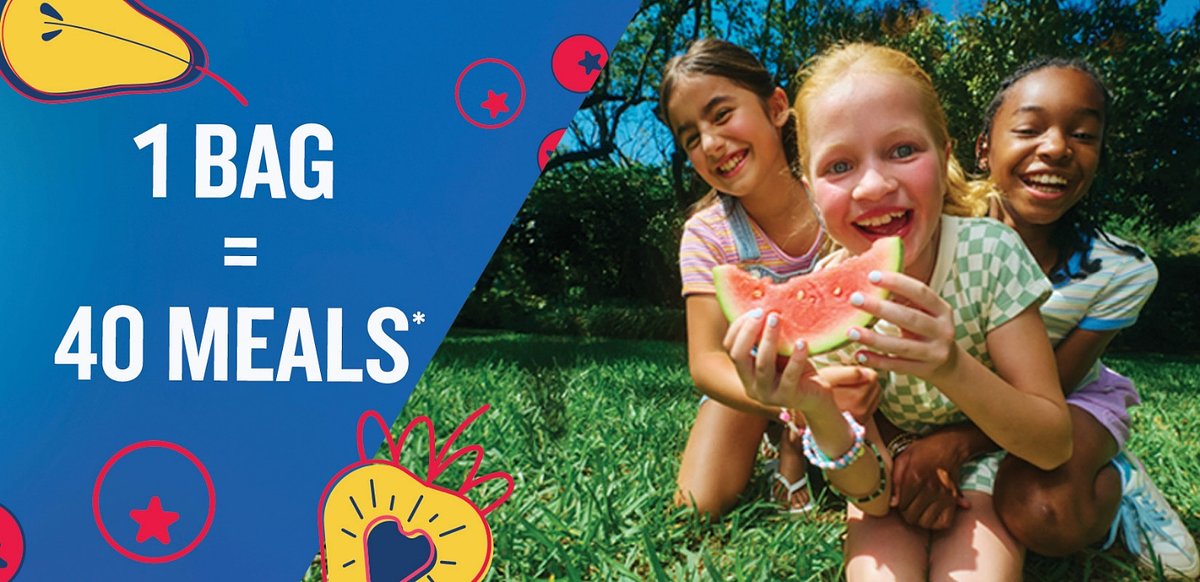
- $3.99 bag purchase translates to 40 meals for children in need
Experts would likely conclude that Food Lion’s 'Summers Without Hunger' campaign is a highly effective, scalable model for corporate-driven hunger relief, combining customer engagement, brand partnerships, and measurable community impact.
Beyond the Reusable Bag: Food Lion’s Strategic War on Summer Hunger
SALISBURY, N.C. – June 17, 2026 – At first glance, it’s a simple transaction. A shopper at Food Lion adds a brightly colored, limited-edition reusable bag to their cart for $3.99. But behind this seemingly minor purchase lies a sophisticated, multi-layered strategy to combat one of America’s most persistent and heartbreaking problems: childhood hunger. Food Lion Feeds has once again launched its annual “Summers Without Hunger” campaign, a four-week initiative that serves as a masterclass in corporate execution, transforming routine grocery runs into a powerful, quantifiable force for community good.
While many corporate social responsibility (CSR) programs operate in the abstract, Food Lion’s effort is a model of practical application. It’s a well-oiled machine that connects the dots between customer action, corporate commitment, brand partnerships, and measurable local impact. By analyzing the mechanics and strategic underpinnings of this campaign, we can uncover a blueprint for how large-scale retailers can move beyond rhetoric and deliver tangible results.
The Mechanics of a Movement
From June 17 to July 14, Food Lion is mobilizing its entire 1,100-store footprint across 10 states to address the critical “summer hunger gap.” The campaign’s genius lies in its simplicity and transparency. For every $3.99 “Care in Every Carry” reusable bag purchased, Food Lion Feeds donates $2 to its charitable foundation. This is where the model’s leverage becomes apparent. A coalition of eleven major brand partners - including heavyweights like General Mills, Kraft Heinz, Pepsi, and Campbell’s - matches customer contributions up to $1 million. This powerful multiplier effect means each bag purchase translates into the equivalent of 40 meals for children in need.
This isn't just about bags. The grocer also facilitates direct cash donations at every register and through its Food Lion To Go online service, with 100% of these funds channeled into the campaign. The system is designed for frictionless participation, integrating philanthropy directly into the customer’s existing shopping habits.
“Summer should be a time for kids to make memories, explore and simply enjoy being kids,” said Kevin Durkee, Manager of Food Lion Feeds. “Through Summers Without Hunger, our customers and partners can help provide access to nutritious food for children when school is out.” His statement underscores the campaign’s core mission: to restore a sense of normalcy and joy to a season that, for too many children, is defined by uncertainty and want.
Confronting the Summer Hunger Gap
The urgency behind this campaign is rooted in stark reality. The press release cites the widely used statistic that 1 in 5 children in America experiences hunger, a figure corroborated by leading organizations like Feeding America. Deeper analysis from the USDA’s Economic Research Service paints an even more detailed picture: in 2024, 18.4 percent of households with children were food insecure. This means millions of children live in homes where consistent access to adequate food is a daily struggle.
This problem intensifies dramatically during the summer. School meal programs, a reliable source of breakfast and lunch for millions of students during the academic year, disappear, creating a significant nutritional void. For families already operating on thin margins, the added cost of providing two extra meals per day can be insurmountable. This reality is particularly acute in Food Lion’s Southeastern and Mid-Atlantic operating area, a region where food insecurity rates have historically trended higher than the national average.
Recent economic pressures have only exacerbated the issue. The phasing out of pandemic-era enhancements to the Supplemental Nutrition Assistance Program (SNAP) in 2023 has tightened family budgets, with households with children losing significant monthly food assistance. This has placed unprecedented strain on the nation's food banks, which are now serving more people than ever before. Food Lion's campaign is not operating in a vacuum; it is a direct, tactical response to a growing crisis.
A Blueprint for Strategic Philanthropy
What sets Food Lion’s initiative apart from standard corporate charity is its integration into a long-term, data-driven strategy. The “Summers Without Hunger” campaign is a key pillar of Food Lion Feeds, the company’s comprehensive hunger-relief platform established in 2014. This isn’t a fleeting annual event but part of a sustained corporate commitment with an audacious goal: to donate 3 billion meals by 2032.
Having already provided more than 1.5 billion meals since 2014, the company is well on its way. This long-term vision demonstrates a shift from reactive philanthropy to proactive, strategic investment in community health. The structure, which includes the Food Lion Feeds Charitable Foundation (founded in 2001), allows for a disciplined and transparent distribution of funds through established grant-making processes.
When benchmarked against the efforts of competitors like Kroger, with its “Zero Hunger | Zero Waste” plan, or Walmart’s extensive philanthropic partnerships, Food Lion’s approach stands out for its focused, repeatable, and easily communicable model. The “buy a bag, provide 40 meals” equation is a powerful piece of marketing, but more importantly, it’s a transparent metric of impact that resonates with customers and holds the company accountable.
From Pilot to Production: Quantifying the Impact
Since its inception in 2019, the “Summers Without Hunger” campaign has proven to be a highly effective and scalable model, helping to provide over 126 million meals. The 2024 campaign helped provide more than 36 million meals, while the 2026 campaign helped provide more than 27 million meals, showcasing the program’s sustained efficiency and reach. This is a system that has moved far beyond the pilot phase and is now in full-scale production, delivering consistent and expanding results year after year.
The funds raised are not simply written as a single check to a national headquarters. They are funneled through the Food Lion Feeds Charitable Foundation, which is currently accepting grant applications from local organizations until July 8. This ensures the money is directed to community-level partners - the local food banks and feeding agencies on the front lines - that can execute targeted interventions like summer meal programs, mobile pantries, and backpack programs that send food home with children for the weekend.
By building a coalition of customers, brand partners, and local non-profits, Food Lion acts as the central hub in a distributed network of hunger relief. The “Care in Every Carry” slogan is more than just a tagline; it accurately describes a system where a simple consumer choice is amplified through a strategic framework to produce a meaningful and measurable outcome for the communities the company serves.
Editor’s Note (September 14, 2026): A previous version of this article misstated the meal totals for the 2024 campaign and the cumulative program impact, as well as the language used to describe meal contributions. The article has been updated to reflect that the 2024 campaign helped provide more than 36 million meals, the 2026 campaign helped provide more than 27 million meals, and the cumulative total since 2019 stands at more than 126 million meals.