
- 39 million Americans identified as creators, but only 1.5 million (less than 4%) sustain themselves full-time in the profession.
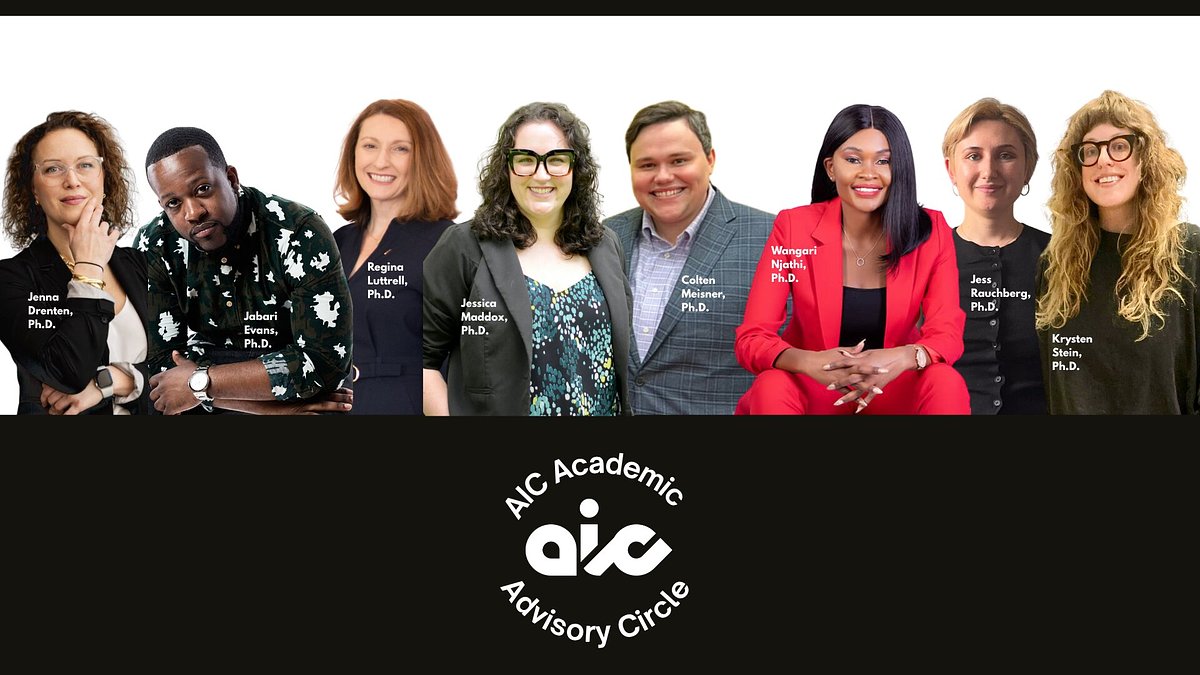
- 8 U.S.-based university scholars form the inaugural Academic Advisory Circle to study the creator economy.
- The AIC has been advocating for creator rights since mid-2020, including lobbying for clearer FTC disclosure guidelines.
Experts agree that the creator economy requires urgent labor protections and policy reforms to address worker classification, wage equity, and collective power, as the current framework fails to recognize the full scope of creator labor.
Beyond the Post: Academia Joins to Legitimize Creator Careers
NEW YORK, NY – April 23, 2026 – The American Influencer Council (AIC) today announced a landmark initiative aimed at bridging the gap between the perceived glamour of creator life and the stark realities of their labor. The launch of the AIC Academic Advisory Circle, a first-of-its-kind scholarly network, signals a concerted push to professionalize the U.S. creator economy and advocate for long-overdue labor protections.
The announcement coincides with the release of the AIC's fourth annual International Creator Day Trend Report, provocatively titled "Built Not Posted: Seen Online, Unseen in Policy: The Creator Labor Gap." The report throws a harsh spotlight on a critical disparity: of the 39 million Americans identified as creators, a mere 1.5 million—less than 4%—are able to sustain themselves full-time in the profession. This initiative seeks to understand why and forge a path toward greater economic stability for a workforce that is increasingly central to modern culture and commerce.
The 'Built Not Posted' Divide
The report's title, "Built Not Posted," encapsulates the core argument of the AIC and its new academic partners: the visible content shared online represents only a fraction of the labor involved in building a sustainable creator business. The unseen work—strategy, production, editing, community management, negotiation, and administration—constitutes a full-fledged entrepreneurial endeavor, yet it often goes unrecognized by traditional labor frameworks.
As independent professionals building businesses on platforms they do not own, creators face immense precarity. The report highlights that "questions of worker classification, wage equity, and collective power have never been more urgent." These digital entrepreneurs navigate a complex landscape without the safety nets afforded to traditional employees, such as minimum wage protections, healthcare benefits, or retirement plans. The AIC's new initiative aims to equip them with the data and analysis needed to advocate for change.
"Career creators are building full-time businesses, navigating labor questions, and shaping culture — and they deserve no-cost access to the credible, evidence-based research that speaks directly to their occupational challenges and policy gaps," stated Qianna Smith Bruneteau, Founder and Executive Director of the American Influencer Council, in the press release.
To ground these findings, the report features commentary from five career creators, including Vanessa Bahena and Christina Galbato. Their firsthand accounts detail the struggle for professional validation, illustrating how legitimacy functions as both a significant barrier and a crucial gateway to building a viable business in an industry still fighting for recognition.
Bridging the Ivory Tower and the Influencer World
At the heart of this new push is the Academic Advisory Circle, an inaugural cohort of eight U.S.-based university scholars whose research focuses on the creator economy. This network aims to move beyond anecdotal evidence and apply rigorous scholarly frameworks to the challenges creators face, providing the empirical backing needed for substantive policy discussions.
The circle includes prominent academics who have been studying this space for years. Among them is AIC Board Advisor Brooke Erin Duffy, Ph.D., an Associate Professor at Cornell University. "The inaugural cohort of Academic Advisory Circle members understand the urgent need to engage in labor discussions with policymakers, regulators, and professional creators," Dr. Duffy commented. Her work has previously highlighted how social media content creation is often excluded from official census and labor data, rendering the workforce invisible to policymakers.
Another key member is Jessica Maddox, Ph.D., an Associate Professor at the University of Georgia, who developed one of the first university-level courses on content creation and serves as Editor-in-Chief of Creator and Influencer Studies, the first academic journal dedicated to the field. Her involvement underscores the growing academic formalization of a field once dismissed as a hobby. The circle also includes experts like Jenna Drenten of Loyola University Chicago and Regina Luttrell of Syracuse University, bringing expertise in marketing, public relations, and media studies to the table. This interdisciplinary approach is designed to tackle the multifaceted nature of the creator profession.
A Push for Professional Legitimacy
The formation of the Academic Advisory Circle is not a sudden development but the formalization of the AIC's long-standing mission. Since its public launch in mid-2020, the trade association has worked to professionalize the industry. As the first 501(c)(6) not-for-profit led by and for creators, it has championed entrepreneurship through resources, workforce development, and advocacy.
The organization's history includes lobbying the Federal Trade Commission for clearer disclosure guidelines, winning 'Best Industry Initiative' at the 2021 Influencer Marketing Awards for its early impact, and launching educational programs like "AIC in the Classroom." This six-year commitment to creator education has paved the way for the new academic partnership, which elevates its advocacy from industry best practices to evidence-based policy reform. By bringing credentialed academics into direct dialogue with creators and industry leaders, the AIC is building a powerful coalition to argue for small business legitimacy and improved working conditions on a national stage.
The Policy Battlefield Ahead
The "Built Not Posted" report and the Academic Advisory Circle arrive at a critical juncture. Debates over the classification of gig workers and independent contractors continue to roil state and federal legislatures, yet creators are frequently left out of these conversations. The AIC's initiative aims to insert them directly into the heart of the policy battlefield.
The research-backed advocacy will likely focus on several key areas: demanding greater algorithmic accountability from platforms, establishing clear standards for AI-generated content disclosure, and, most importantly, addressing the fundamental question of labor classification. Without official recognition in labor statistics, it remains difficult to legislate for fair wages, collective bargaining rights, or other protections. This collaboration between creators and academics seeks to generate the undeniable data that policymakers can no longer ignore. As the creator economy continues its massive growth, this alliance is poised to play a crucial role in determining whether it evolves into a sustainable career path for millions or remains a precarious gig for the vast majority.