
- 15 concerts at Toronto's RBC Amphitheatre featuring insurance-themed mini-putt games.
- $1 million commitment to Breakfast Club of Canada for 2026-2027, expected to provide 500,000 meals.
- 1.6 million breakfasts delivered to children since 2018 through the partnership.
Experts would likely conclude that belairdirect's experiential marketing and CSR strategy effectively positions the brand as socially relevant and approachable, particularly among younger demographics.
Beyond the Policy: How belairdirect is Building its Brand at Festivals
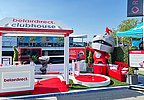
TORONTO, ON – June 12, 2026 – This summer, the soundtrack to Canada’s major music festivals will be accompanied by the subtle thwack of a mini-putt ball navigating a tornado obstacle and the sizzle of waffle bites sold for a cause. Canadian insurer belairdirect is launching a significant experiential marketing campaign, embedding its brand within the cultural fabric of Toronto's RBC Amphitheatre and Montreal's iconic OSHEAGA festival. While a press release frames this as bringing insurance "to life," a deeper look reveals a sophisticated strategy to construct a different kind of infrastructure—one of brand trust and social relevance—aimed squarely at a generation that values experience and purpose over traditional advertising.
This move is more than just a seasonal marketing push; it represents a calculated pivot in how staid industries like insurance engage with a skeptical public. By moving out of the office and onto the festival grounds, belairdirect is attempting to rewire its connection with consumers, particularly younger demographics, transforming an intangible product into a tangible, memorable interaction.
The Experience Economy as Brand Infrastructure
The core of belairdirect's strategy lies in its embrace of the experience economy. Instead of simply plastering logos on a stage, the company is creating interactive touchpoints. At 15 concerts at Toronto's RBC Amphitheatre, attendees can play an insurance-themed mini-putt game, with holes designed around real-life insurable events like car accidents and floods. This gamified approach cleverly demystifies the abstract risks insurance is designed to mitigate, making the concept more approachable without a hard sell.
"This summer, we're meeting people where they are, at the concerts and festivals they love, to create memorable experience that are true to the belairdirect brand," said Bryan Dinh, VP of Brand, Digital and Growth Marketing at belairdirect. He noted the goal is to raise "awareness of insurance by connecting it to the life moments that matter most to consumers."
This strategy aligns with a broader trend where brands are realizing that in a saturated digital world, physical, memorable experiences are a powerful differentiator. For an industry often perceived as impersonal and complex, creating a positive, low-stakes interaction is invaluable. This is particularly true for Gen Z and Millennial consumers, who are more likely to build loyalty with brands that offer authentic engagement and align with their values. The festival environment, a space dedicated to leisure and community, provides the ideal network for this kind of brand-building. Belairdirect is not just sponsoring an event; it's attempting to become part of the event's social architecture.
Purpose as a Pillar: The Breakfast Club Partnership
If the mini-putt game is the playful hook, the campaign's soul lies in its deep-seated corporate social responsibility (CSR) component. At OSHEAGA, belairdirect will leverage its presence at the belairdirect VALLEY stage not for overt promotion, but for a charitable initiative. For each affordable waffle bite sold, the insurer will donate $4 to the Breakfast Club of Canada.
This isn't a one-off gesture. The initiative is part of a recently announced $1 million commitment to the Club for 2026-2027, building on a partnership that dates back to 2018. Between 2018 and 2025, the company’s support helped deliver over 1.6 million breakfasts to children across the country, including in First Nations, Métis, and Inuit communities. This new funding is expected to provide an additional 500,000 meals.
The significance of this partnership cannot be overstated, especially in the current Canadian context. As of last year, nearly 2.5 million children—roughly one-third of all children in the country—were living in food-insecure households. The Breakfast Club of Canada is a critical piece of social infrastructure addressing this crisis, supporting over 3,800 school nutrition programs that reach more than 655,000 children. Research shows the impact is profound: schools report that 99% of students are less hungry, and nearly 95% see improvements in learning abilities. An independent analysis even found that every dollar invested in these programs generates close to two dollars in economic and social benefits. By tying its brand activation directly to this vital cause, belairdirect is demonstrating a long-term commitment that transcends marketing, embedding itself as a partner in community resilience.
Differentiating in a Crowded Field
This dual-pronged strategy of experience and purpose sets belairdirect apart in Canada's competitive property and casualty insurance market. Its parent company, Intact Financial, often leverages its scale and broker network, while competitors like Desjardins lean into their cooperative, community-based identity, and TD Insurance capitalizes on its vast banking client base.
While these rivals also engage in sponsorships and CSR, belairdirect's concentrated push into the music festival scene with such a highly integrated, interactive campaign is a distinct approach. It’s a targeted effort to build brand affinity within a specific cultural network, moving beyond the traditional metrics of reach and impressions to focus on genuine connection. The strategy posits that a positive memory from a festival, linked to a good cause, is more valuable than a dozen digital banner ads.
By making insurance "fun" and linking it to a tangible social good, the company is attempting to preemptively solve its biggest future challenge: earning the trust and business of a new generation. This isn't just about selling policies tomorrow; it's about building the foundational brand perception that ensures relevance for decades to come. The invisible network they are building is one of goodwill, positive association, and social license, which may prove to be their most valuable asset in an increasingly purpose-driven world.