
- 110,000 acres burned across Utah by two wildfires (Iron Fire: 40,000+ acres; Cottonwood Fire: 70,000+ acres).
- 6 U-Haul facilities offering 30 days of free storage to displaced residents.
- Zero containment reported for the Cottonwood Fire as of June 26, 2026.
Experts would likely conclude that U-Haul's targeted disaster relief program effectively addresses a critical logistical gap in wildfire recovery efforts, demonstrating how private-sector resources can complement traditional aid systems during crises.
Beyond the Flames: U-Haul's Role in Utah's Wildfire Crisis
SALT LAKE CITY, UT – June 26, 2026 – As a pair of human-caused wildfires scorch over 110,000 acres of Utah landscape, the immediate focus is on containment and human safety. But for the thousands forced to flee their homes, another crisis unfolds: a logistical nightmare of displacement. Amid the chaos, U-Haul has activated its long-standing disaster relief program, offering a practical solution to one of the most pressing, yet often overlooked, challenges for evacuees—what to do with the possessions they managed to save.
The Iron and Cottonwood Fires have carved a devastating path through the state. The Iron Fire, having burned more than 40,000 acres across Juab and Tooele Counties, forced the complete evacuation of the historic town of Eureka. Meanwhile, the Cottonwood Fire rages with zero containment across 70,000 acres in Beaver County, having already destroyed the Eagle Point Resort and leaving multiple communities under mandatory evacuation orders. For residents in the path of these infernos, the decision to leave is not a choice, and the uncertainty that follows is immense.
A Practical Lifeline in a Time of Need
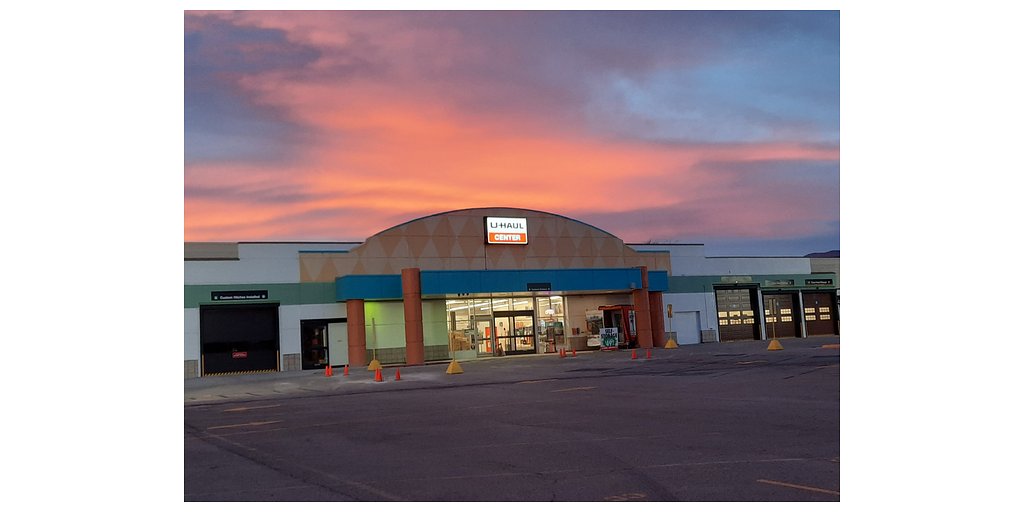
In response to the escalating crisis, U-Haul announced that six of its facilities are offering 30 days of free self-storage and U-Box portable storage container use to affected residents. This initiative provides a secure, climate-controlled space for people to store their belongings, offering a small measure of stability when everything else has been upended.
"Access to self-storage units and portable storage containers is vital to communities when disasters strike," the company stated in its public announcement, a sentiment that resonates deeply with those who have had mere minutes to gather irreplaceable items. The offer applies to new rentals and is based on availability, a crucial detail as demand is expected to be high. The participating locations are strategically spread across the region to serve a wide range of displaced families:
- U-Haul Moving & Storage of Cougar Blvd, Provo
- U-Haul Moving & Storage of Provo River, Provo
- U-Haul Moving & Storage of Richfield, Richfield
- U-Haul U-Box and Storage of Murray, Salt Lake City
- U-Haul Moving & Storage of Tooele, Tooele
- U-Haul Moving & Storage of West Valley, West Valley City
For those grappling with the loss of a home or the anxiety of a prolonged evacuation, the question of where to safeguard family photos, important documents, and personal effects can be an overwhelming burden. This program directly addresses that need, freeing up mental and emotional bandwidth for evacuees to focus on securing temporary housing and caring for their families.
The Business of Benevolence
This act of corporate citizenship is not an isolated gesture for the Phoenix-based moving and storage giant. It is a well-rehearsed component of a broader corporate social responsibility strategy. As an official American Red Cross Disaster Responder, U-Haul has a documented history of activating this same 30-day free storage program in response to hurricanes, floods, and other fires across North America.
Just last year, the company extended a similar offer to residents of an Eagle Mountain, Utah condominium complex destroyed by fire. Similar initiatives were launched for victims of the Upriver Fire in Washington and the Sandy Fire in California. This consistency demonstrates a business model that has successfully integrated rapid-response philanthropy into its operational DNA. With a network of over 24,000 rental locations and its position as the third-largest storage operator in North America, the company possesses the infrastructure to deploy aid quickly and effectively.
By leveraging its core assets—secure, accessible space—the firm provides a service that government agencies and traditional aid organizations are not equipped to offer. This symbiotic relationship highlights a modern trend in disaster response, where private sector capabilities fill critical gaps in the humanitarian safety net. While the primary motivation is aid, the move also builds significant brand loyalty and community goodwill, an intangible asset that pays dividends long after the free month of storage has ended.
The Wider Web of Displacement
While a secure place for belongings is a critical piece of the puzzle, it is just one piece. The logistical and emotional challenges facing Utah’s wildfire evacuees are immense and multifaceted. The immediate scramble for temporary housing, food, and medical care consumes all available energy. Families with pets face the added challenge of finding accommodations that will accept them.
The closure of major arteries like U.S. Highway 6 disrupts not only evacuation routes but also the flow of goods and services, further complicating relief efforts. Community leaders and emergency services are working around the clock, but the scale of displacement strains resources. Organizations like the Red Cross are focused on providing shelter and sustenance, while state agencies work to coordinate a broader response.
In this complex ecosystem of need, U-Haul's contribution is a targeted intervention that alleviates a specific pressure point. It underscores the reality that effective disaster recovery is not the responsibility of a single entity but a collaborative effort between government, non-profits, and the private sector. Each plays a role, addressing different facets of the crisis. For the families staring at an uncertain future, knowing their salvaged possessions are safe allows them to face the myriad other challenges of recovery with one less weight on their shoulders. The fires in Utah are a stark reminder of nature's power, but the response is a testament to the power of a community—and the corporations within it—to provide stability in the midst of chaos.