
- $1.18 billion: Cost of auto theft claims in Canada in 2022, a 24% increase from the previous year. - 48%: Increase in auto theft claims costs in Ontario in a single year. - Relay attacks: Sophisticated theft method using electronic devices to intercept key fob signals, now combined with distraction tactics in public spaces.
Experts warn that auto theft in Canada has evolved into a national crisis, driven by organized crime and high-tech tactics, requiring heightened vigilance and proactive security measures from drivers.
Beyond the Driveway: Auto Thefts Go Personal in Public Spaces
THORNHILL, ON – May 27, 2026 – A simple trip to the grocery store or shopping mall could now put your vehicle at risk from a new breed of sophisticated car thieves. A stark warning issued by CAA South Central Ontario (CAA SCO) highlights an alarming evolution in auto theft, where criminals are moving beyond overnight driveway heists to target drivers directly in busy public spaces using a cunning blend of distraction and high-tech tools.
This emerging tactic preys on the goodwill of unsuspecting individuals, turning a brief, seemingly innocent interaction into an opportunity for a high-tech steal. As auto theft continues its surge into a national crisis, this shift marks a dangerous new front in the battle for vehicle security, demanding unprecedented vigilance from every driver.
The Anatomy of a Distraction Theft
The classic image of a car thief smashing a window or jimmying a lock is becoming increasingly obsolete. Today's criminals are more calculated, combining social engineering with advanced electronics to steal a vehicle without leaving a scratch—often before the owner even realizes what has happened.
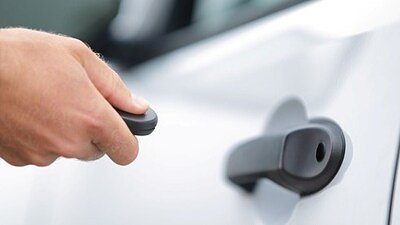
According to CAA, this new method involves one or more criminals approaching a driver near their vehicle in a public parking lot. They might ask for directions, offer a small gift, or create a minor commotion to engage the driver in a brief conversation. While the driver is distracted, an accomplice standing nearby uses an electronic device to capture and amplify the signal from the key fob, which may be in the driver's pocket, purse, or shopping cart. This "relay attack" tricks the vehicle into thinking the key is present, allowing the thieves to unlock the doors, start the engine, and drive away quietly.
"Today vehicle thieves are becoming increasingly calculated, using distraction tactics alongside electronic tools designed to intercept or relay key fob signals," says Elliott Silverstein, director, government relations, CAA South Central Ontario. "A brief interaction in a parking lot can quickly become an opportunity for organized criminals to target both drivers and their vehicles."
Police services across Canada have corroborated the rise in high-tech thefts, and this new "distraction" variant adds a deeply personal and immediate threat. In some cases, the only initial clue for a victim is a notification on their dashboard stating the "vehicle key is missing" long after the car has been driven out of range of the original fob.
A Crisis Measured in Billions
The evolution of theft tactics is occurring against the backdrop of an unprecedented auto theft crisis in Canada. According to the Insurance Bureau of Canada (IBC), the cost of auto theft claims skyrocketed to a record $1.18 billion in 2022, a staggering 24% increase from the previous year. The situation is particularly dire in Ontario, which saw claims costs jump by 48% in a single year, accounting for the lion's share of the national financial burden.
This isn't just petty crime; it's big business. Law enforcement officials consistently link the surge to sophisticated, organized crime rings that target newer, high-value SUVs and trucks. These vehicles are often quickly packed into shipping containers and exported overseas to markets in Africa, the Middle East, and Eastern Europe, making recovery nearly impossible. The efficiency of these criminal networks necessitates a constant supply of vehicles, driving thieves to develop bolder and more aggressive methods like public distraction thefts to meet demand.
The sheer volume and sophistication of these thefts have placed an immense strain on police resources and have begun to reshape the landscape for vehicle owners and insurers alike.
The Technological Arms Race
As thieves weaponize technology, a parallel arms race is underway to protect vehicles. While no single solution is foolproof, security experts and organizations like CAA emphasize a layered approach to deterrence.
The first line of defense against relay attacks is surprisingly low-tech: an RFID-blocking container, commonly known as a Faraday pouch. These inexpensive pouches create a signal-proof shield around the key fob, preventing criminals from capturing its signal. This simple habit can neutralize the primary tool used in most modern electronic thefts.
For physical deterrence, classic devices like steering wheel locks are seeing a major resurgence. While not impenetrable, their high visibility makes a vehicle a less attractive target. A thief looking for a quick and quiet score is more likely to move on to an easier target than spend precious time and make noise cutting through a hardened steel lock.
Automakers are also stepping up their game. Many newer key fobs are now equipped with motion sensors that put them into a sleep mode when stationary, preventing them from broadcasting a signal for thieves to "fish" for. More advanced systems are deploying Ultra-Wideband (UWB) technology, which can accurately measure the distance between the fob and the car, rendering signal amplification attacks ineffective. In the near future, drivers may see multi-factor authentication—such as a PIN code or fingerprint scan—required to start a vehicle, adding another layer of security akin to a smartphone.
Rising Risks, Rising Costs for Everyone
The fallout from Canada's auto theft epidemic extends far beyond the unfortunate victims. The billion-dollar price tag is ultimately passed on to all drivers through soaring insurance premiums. The IBC has been vocal that the crisis is putting unsustainable pressure on insurance costs, particularly in hotspots like Ontario and Quebec.
In response, the insurance industry is adapting. Some companies are beginning to offer discounts for policyholders who install approved aftermarket tracking systems. For owners of frequently targeted models, some insurers are reportedly considering making such devices mandatory for coverage. This shift reflects a new reality where the factory-installed security of a vehicle may no longer be deemed sufficient.
The advice from CAA is clear: be proactive and aware. Park in well-lit, high-traffic areas. Be wary of any unusual or persistent interactions near your vehicle. Trust your instincts—if a situation feels suspicious, disengage and move to a safer area. Simple actions like keeping your key fob securely on your person, rather than loose in a cart or bag, can make a significant difference. By understanding the new tactics and taking preventative steps, drivers can significantly reduce their chances of becoming the next statistic in this growing national issue.