
- $1 trillion: Projected annual direct medical costs from health inequities by 2040, partly driven by cognitive harm
- 600+ clinics: Where Limitless Guided Visualizations is used to support patients in treatments like ketamine therapy and oncology
- Billions annually: Cost of medical malpractice claims linked to communication failures
Experts agree that cognitive harm—a systemic failure in patient-provider communication and empathy—is a pervasive issue that worsens health outcomes, increases costs, and deepens health inequities, requiring urgent systemic intervention.
Beyond the Diagnosis: The Push to End 'Cognitive Harm' in Healthcare
SEATTLE, WA – January 05, 2026 – A new initiative launched today aims to name, measure, and ultimately eliminate one of medicine's most pervasive yet overlooked problems: the psychological and emotional toll of healthcare itself. The Limitless Foundation, an independent nonprofit, has unveiled its Cognitive Harm Reduction in Medicine Initiative, a program designed to address the breakdowns in communication and empathy that can leave patients feeling fearful, dismissed, and disengaged from their own care.
This new field of study, termed 'cognitive harm,' describes what happens when a patient's support needs are overlooked or when clinical interactions create distrust. According to the foundation, these moments—when a patient's pain is minimized, their questions go unanswered, or they are made to feel like a checklist item—are not just unpleasant. They are dangerous, leading to delayed diagnoses, poor health outcomes, and immense strain on the healthcare system.
The initiative, which is calling for collaboration from health systems, academic institutions, and insurers, seeks to establish 'cognitive safety' as a measurable, fundamental standard of care. It argues that creating an environment where patients feel heard, validated, and psychologically secure is not a 'soft skill' but a critical component of effective and equitable medicine.
Defining a Universal, Yet Overlooked, Problem
While the term 'cognitive harm' may be new, the experience it describes is deeply familiar to countless patients. The concept provides a unifying framework for a cluster of well-documented issues that have long plagued patient-provider relationships, including medical gaslighting, communication failures, and a systemic erosion of trust in the medical establishment.
Research has extensively documented the damage caused when patients, particularly women and minorities, have their symptoms dismissed as anxiety or stress. This 'medical gaslighting' can lead to years of diagnostic delays, allowing conditions to worsen while patients are left questioning their own sanity. Similarly, studies on patient psychological safety highlight that when individuals don't feel safe to speak up or ask questions, critical information is lost, and preventable errors can occur.
"Cognitive harm isn't rare; it's almost universal," said Cali Wilson, the initiative's creator, in a statement. Wilson, the founder of the clinical engagement platform Limitless Guided Visualizations, which is providing initial funding, framed the issue as a systemic failure. "It happens when efficiency pressures overtake empathy, and care becomes something done to patients instead of with them. We all pay the price of this gap in care: patients decline, clinicians burn out, and insurance companies absorb the cost."
The initiative draws inspiration from the harm reduction models used in public health, which prioritize empathy and practical support over blame. By applying this ethos to medical interactions, the program aims to foster a sense of shared responsibility where patients, clinicians, and health systems all play a role in building trust and ensuring care is psychologically safe.
The Trillion-Dollar Diagnosis
The push for cognitive safety is not just an ethical imperative; it is framed as a crucial economic strategy. The initiative points to research from Deloitte projecting that the direct medical costs stemming from health inequities could surpass $1 trillion annually by 2040 if left unaddressed. The Limitless Foundation argues that cognitive harm is a significant, and often uncounted, contributor to this staggering figure.
Every time a patient leaves an appointment feeling unheard or confused, the financial risks multiply. They may fail to adhere to treatment plans, leading to complications and costly hospital readmissions. They might delay seeking further care, allowing a manageable condition to become a chronic or acute crisis. Or they may seek multiple opinions and undergo redundant testing in a desperate search for answers, driving up system-wide waste. This cycle of disengagement and distrust disproportionately affects marginalized communities, deepening existing health inequities.
Beyond the direct costs of poor outcomes, communication failures are a known driver of financial liability. Research shows that breakdowns in communication are a leading factor in medical malpractice claims, costing the U.S. healthcare system billions annually. For hospitals and health systems, poor patient experience is directly linked to lower reimbursement rates and diminished patient retention. By investing in cognitive safety, the foundation argues, organizations can achieve a powerful return: improved patient outcomes, reduced clinician burnout, and a more efficient, cost-effective system.
From Patient Experience to a Measurable Standard
For decades, healthcare has promoted concepts like 'patient-centered care' and 'shared decision-making.' The Cognitive Harm Reduction in Medicine Initiative aims to build on this foundation by transforming these ideals into a concrete, measurable standard. The goal is to move beyond simply asking if a patient was 'satisfied' and instead quantify whether the care environment was psychologically safe.
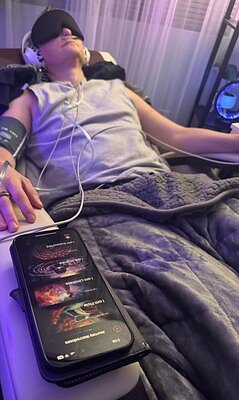
The initiative's origins offer a clue to its approach. Initial funding comes from Limitless Guided Visualizations, a platform used in over 600 clinics to support patients undergoing treatments like ketamine therapy, oncology, and psychedelic-assisted care. The platform, built on Wilson's Metacognitive Healing Methodology, provides tools to help patients manage emotional states and process complex experiences. This background in developing actionable tools for patient engagement informs the initiative's focus on creating practical, scalable solutions for health systems.
By partnering with academic institutions, the foundation plans to co-design studies to identify and validate measurable indicators of cognitive safety. These could include tracking communication patterns, assessing patient trust levels before and after consultations, or analyzing how system design impacts a patient's ability to participate in their care. The goal is to provide health systems with a clear playbook for redesigning care environments, training clinicians in empathetic communication, and empowering patients with the tools to become active partners in their health journey.
A Call for a System-Wide Cure
The Limitless Foundation stresses that cognitive harm is a systemic problem that requires a systemic solution. No single clinician, however skilled or empathetic, can single-handedly overcome an institutional culture that prioritizes speed over connection. As such, the initiative is making a broad call for collaboration across the entire healthcare ecosystem.
Universities and research institutions are being invited to help build the evidence base for this new field. Healthcare systems and clinical practices can join pilot programs to test and refine cognitive safety metrics in real-world settings. Finally, the foundation is calling on insurers, policymakers, and funders to help develop and scale sustainable reimbursement models that reward, rather than penalize, the time it takes to provide cognitively safe care.
This collaborative approach underscores the initiative's central message: ensuring patients feel seen, heard, and respected is not an optional add-on but the very bedrock of effective, equitable, and sustainable healthcare. By making cognitive safety a core priority, the movement hopes to begin healing not just bodies, but also the fractured trust between patients and the medical systems they depend on.