
- 30% decline: Savannah elephant populations dropped by 30% across 18 African countries between 2007 and 2014.
- <500,000 remaining: Africa's total elephant population has plummeted from millions to fewer than 500,000.
- 130,000 elephants: Botswana hosts the continent's largest population, estimated at around 130,000.
Experts emphasize that elephant conservation should prioritize habitat connectivity, ecological dynamics, and human-wildlife coexistence over simplistic population management.
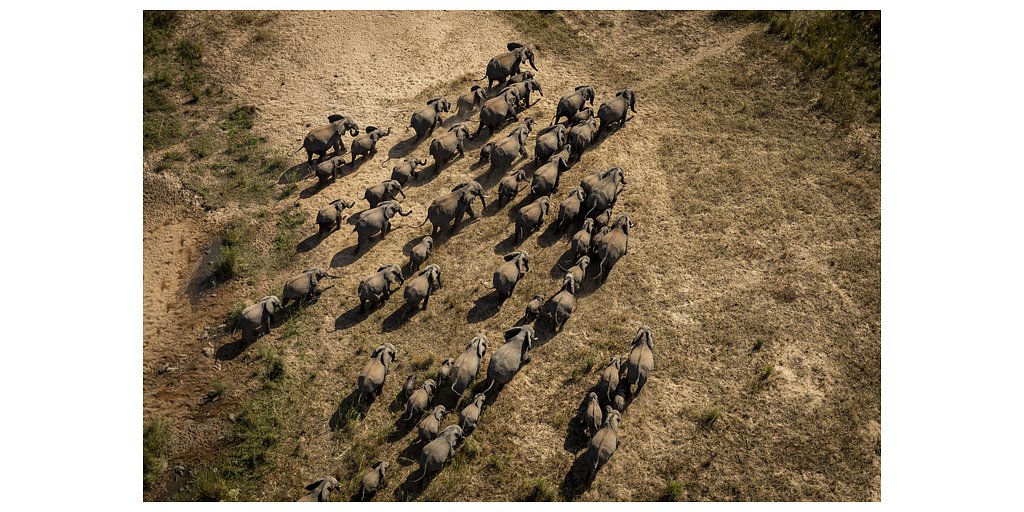
Beyond the Count: The New Science Redefining Elephant Conservation
YARMOUTH PORT, Mass. – March 10, 2026 – The future of Africa’s elephants is at the center of a deeply polarized debate, one that pits images of decimated herds against claims of localized overpopulation. While some nations argue for drastic measures like culling to manage growing numbers, conservation groups are sounding the alarm over a continental crisis. Cutting through this contentious noise, the International Fund for Animal Welfare (IFAW) is championing a shift in perspective, urging a move away from headline-grabbing population counts and toward a more nuanced, science-led strategy grounded in landscape-scale conservation.
This call for calm comes as the discourse over elephant management has reached a fever pitch. The central question—are there too many elephants, or too few?—is not just an academic exercise. Its answer shapes national policies, influences global funding, and will ultimately determine the fate of this keystone species.
Africa's Deep Elephant Divide
The conflict is starkest when comparing regional perspectives. In southern African nations like Botswana, Zimbabwe, and Namibia, governments report stable or even growing elephant populations within their borders. Botswana is home to the continent's largest elephant population, estimated at around 130,000. Officials there have argued that high elephant densities, particularly in constrained areas, lead to severe habitat degradation and escalating human-elephant conflict. This has led to policy decisions such as the reintroduction of trophy hunting and considerations for culling as a management tool to protect biodiversity and rural livelihoods.
This regional picture of abundance stands in stark contrast to the continent-wide data. The landmark Pan-African Great Elephant Census, the most comprehensive survey to date, painted a grim picture, revealing a staggering 30% decline in savannah elephant populations across 18 countries between 2007 and 2014. The primary driver was a devastating wave of poaching for ivory. Overall, Africa's elephant population has plummeted from several million in pre-colonial times to fewer than 500,000 today. The International Union for Conservation of Nature (IUCN) now classifies savanna elephants as endangered and forest elephants as critically endangered, reflecting the ongoing threat.
This discrepancy—regional surplus versus continental collapse—is the crux of the debate. Proponents of culling and hunting argue that these are necessary, pragmatic tools for managing specific, localized problems. Opponents counter that such actions are ethically fraught and ignore the broader crisis, potentially undermining decades of conservation work by legitimizing the killing of an endangered species.
A New Scientific Paradigm
Challenging the very foundation of this numbers-focused debate is a body of long-term scientific research. For over 25 years, the Conservation Ecology Research Unit (CERU) at the University of Pretoria, under the guidance of the late Professor Rudi van Aarde, tracked dozens of elephant populations. Their findings present a far more complex and hopeful picture. The research showed that most of the tracked populations were stable, with some even growing, but only when given sufficient space and protection.
The core conclusion of CERU's work is that management decisions should focus less on raw population totals and more on ecological dynamics, habitat connectivity, and the pressures of human activity. The problem, their research suggests, is not too many elephants, but too little space.
“Elephant dynamics cannot be reduced to a single population figure,” said Azzedine Downes, President & CEO of IFAW, in a recent statement reinforcing this science-based view. “What matters most is the availability of habitat connectivity, if whether protections are put in place from risks such as poaching, and whether the communities living alongside wildlife are actively being supported.”
Elephants are slow breeders. A female may only begin reproducing at age 12 or 13, giving birth to a single calf once every four years. Even in ideal, safe conditions, populations rarely grow faster than 5% annually. When poaching or culling removes adults, it shatters complex social structures and can take decades for a population to recover, making the idea of a quick 'rebound' a biological impossibility.
Room to Roam: Connectivity as the Solution
Based on these scientific findings, IFAW has developed its flagship 'Room to Roam' initiative. The strategy moves beyond the fences of traditional protected areas and aims to secure and restore the vast landscapes that elephants naturally traverse. The initiative works across East and southern Africa to reconnect fragmented habitats by creating safe wildlife corridors between national parks and reserves.
This approach directly addresses the issue of perceived overpopulation. According to IFAW, the risk of elephants damaging ecosystems is primarily a problem in fenced or isolated reserves where they cannot disperse naturally. By providing them with 'room to roam,' the pressure on any single area is reduced. Elephants can move freely to find food and water, especially during droughts, mimicking ancient migratory patterns. This allows vegetation to recover and promotes greater ecological resilience for the entire landscape.
This strategy also posits that many protected areas are, in fact, operating under their ecological carrying capacity. They could support significantly more elephants than they currently hold if the animals were able to move across a wider, connected range without facing threats from poaching, habitat fragmentation, and conflict with humans.
The Human Dimension of Coexistence
At the heart of the elephant debate is the unavoidable reality of human-wildlife conflict. For communities living alongside these giants, the costs can be immense. Elephants raid crops, destroy property, and pose a physical danger, leading to economic hardship and deep-seated resentment that can undermine conservation efforts. Simply creating corridors is not enough if they funnel elephants directly into conflict with people.
Recognizing this, modern conservation strategies like 'Room to Roam' place community engagement at their core. The approach involves working directly with local communities to develop land-use plans that accommodate wildlife movement, deploying non-lethal deterrents like chili-pepper fences, and, crucially, ensuring that communities derive tangible economic benefits from conservation. When wildlife becomes an asset rather than a liability, coexistence becomes a viable path forward.
The debate over how to manage Africa's elephants is a battle of competing philosophies. One path involves interventionist management—culling, fences, and population targets—often driven by immediate economic and ecological pressures within a confined space. The other, a science-led approach, advocates for restoring ecological processes across vast landscapes, investing in connectivity, and fostering coexistence with human communities. It is a long-term vision that requires immense political will and cross-border cooperation, but its proponents argue it is the only way to ensure future generations will continue to see elephants roaming freely across Africa's savannas.