
- 6.3 bags per 1,000 passengers: Global rate of mishandled baggage in 2024 (SITA).
- $5 billion: Estimated cost to airlines from lost luggage in 2024.
- $3,800: Maximum airline compensation for lost luggage on domestic U.S. flights.
Experts would likely conclude that Solgaard's 'Holiday Lost Luggage' promotion is a strategic and empathetic marketing move that addresses a critical pain point in travel, potentially boosting brand loyalty and market share if executed flawlessly.
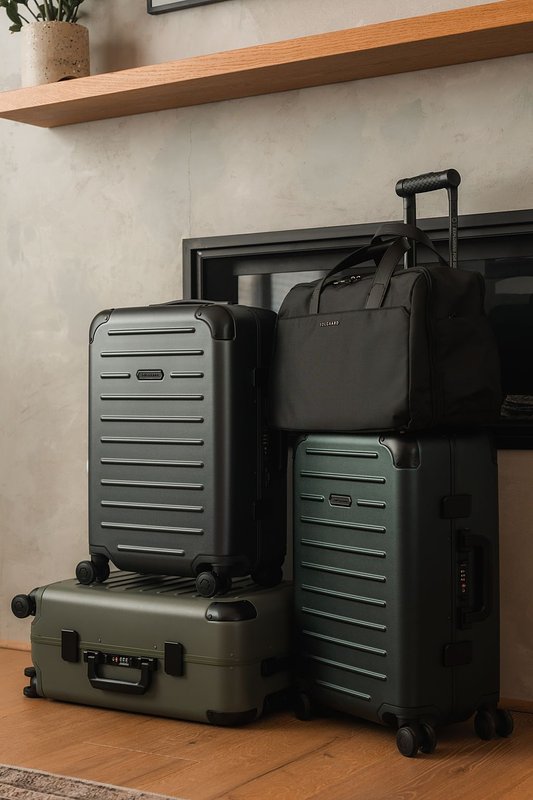
Beyond the Bag: Solgaard's Bet on Holiday Travel Chaos
NEW YORK, NY – December 10, 2025 – As millions of Americans brace for the annual holiday travel crush, a season synonymous with long lines, delays, and the perennial fear of lost luggage, one company is attempting to turn a major travel friction into a strategic advantage. Solgaard, a direct-to-consumer travel gear brand known for its sustainable products and innovative designs, has launched a "Holiday Lost Luggage" promotion that goes far beyond a standard product warranty. It’s a bold marketing maneuver that warrants a closer look at the business implications for the company and the wider travel industry.
The premise is deceptively simple: between late November and early January, any U.S. traveler who has their luggage permanently lost by an airline can submit a claim. If they lost a Solgaard bag, the company promises a like-for-like replacement. More strikingly, if they lost a competitor's bag, Solgaard will send them a complimentary piece of its own luggage. It’s a direct intervention into one of travel’s most stressful moments, positioning the brand not just as a seller of suitcases, but as a traveler's ally.
A New Standard for Customer Care?
At its core, the initiative directly addresses a gap between airline liability and passenger peace of mind. While the global rate of mishandled baggage has improved, falling to 6.3 bags per 1,000 passengers in 2024 according to industry group SITA, the sheer volume of travelers means millions of bags still go astray. This problem cost airlines an estimated $5 billion last year. For the passenger, it means navigating a bureaucratic claims process with compensation limits capped by regulation—up to $3,800 for domestic U.S. flights and a significantly lower amount (around $2,000) for international trips under the Montreal Convention.
This compensation often fails to cover the full value of the contents, let alone the immediate disruption and stress. Solgaard's promotion cleverly sidesteps this process. Instead of a protracted negotiation for cash reimbursement, it offers an immediate, tangible solution: a new suitcase.
"Anyone who's lost a bag knows it's more than an inconvenience; it disrupts your plans," said Adrian Solgaard, the company's Founder and CEO, in the official announcement. "This program is our way of saying: you don't have to face that alone."
This approach is a stark contrast to typical industry practice. Most luggage brands, including Solgaard itself under its standard policy, offer warranties that explicitly exclude damage or loss caused by airlines, directing customers back to the carriers. While a few competitors are experimenting with expanded coverage—Monos offers store credit for lost bags as part of a paid warranty upgrade, and Rimowa recently launched a limited two-year replacement service in Germany—Solgaard’s offer is unique in its scope. By extending the offer to owners of any brand of luggage, it transforms a customer service initiative into a powerful customer acquisition tool.
The Business of Goodwill
From a business strategy perspective, Solgaard’s promotion is a calculated risk designed to generate significant returns in brand equity and market share. In the hyper-competitive direct-to-consumer luggage market, differentiation is paramount. By tackling a universal pain point, the company is executing a textbook example of empathetic marketing, creating an emotional connection that can foster intense brand loyalty.
The cost of giving away free luggage is not insignificant, but it should be viewed as a marketing expense. Every complimentary suitcase sent to a disgruntled owner of a competitor's lost bag is a Trojan horse. It introduces a new consumer to Solgaard’s ecosystem—which includes patented features like the "Carry-On Closet" shelving system—at a moment of peak frustration with another brand. This "product seeding" strategy is far more impactful than a digital ad, creating a powerful story the recipient is likely to share.
This move aligns perfectly with Solgaard's established brand identity. As a certified B Corp, the company has built its reputation on a platform of sustainability and problem-solving, using recycled materials like its proprietary Shore-Tex® fabric. The "Lost Luggage" promotion reinforces this "force for good" narrative, framing the brand as one that provides genuine solutions, not just products. It’s a strategy that resonates deeply with modern consumers, who increasingly favor brands that demonstrate purpose beyond profit.
Execution is Everything: The Logistical Challenge
While the strategy is compelling on paper, its success hinges entirely on flawless execution. The "while supplies last" caveat in the terms and conditions is a critical safety valve, but an oversubscribed program or a clumsy claims process could easily turn a marketing win into a public relations liability.
The company will need a robust and efficient system to verify claims, which require official airline documentation, to prevent fraud. The logistical challenge of managing inventory and shipping a potentially large volume of replacement items during the peak holiday season cannot be underestimated. Customer service channels will likely see a surge in inquiries, and any perception of a bait-and-switch would be deeply damaging. Past customer reviews, while largely positive, do indicate some historical challenges with fulfillment and warranty claims, highlighting the operational pressure Solgaard will face.
Furthermore, the initiative raises an interesting question for the broader travel industry. By stepping in where airlines falter, brands like Solgaard are implicitly highlighting the carriers' service gaps. While a single promotion from a luggage company is unlikely to force immediate change, it contributes to a rising tide of consumer expectation. If more third-party services and product brands begin offering solutions that wrap around the core travel experience, it could create market pressure for airlines to invest more heavily in the technologies and processes—like real-time, AI-powered tracking—that SITA credits with reducing mishandling rates.
For Solgaard, this is a high-stakes bet on its own operational capabilities and the power of goodwill. If executed well, the company could emerge from the holiday season with a legion of new, loyal customers won over by an act of well-timed generosity. The true test will be whether the company's supply chain and customer service teams can cash the check that its marketing department has written.