
- 267 patients studied in the National Scoliosis Center's research on 3D bracing.
- $3.4 billion (2026) to $5 billion (2036) projected growth in the scoliosis bracing market.
- Growth modulation achieved in Adolescent Idiopathic Scoliosis (AIS) and Early-Onset Scoliosis (EOS) regardless of etiology.
Experts agree that advanced 3D bracing, combined with rigorous patient management, can actively correct spinal curves in growing children, marking a significant shift from traditional bracing methods focused solely on halting progression.
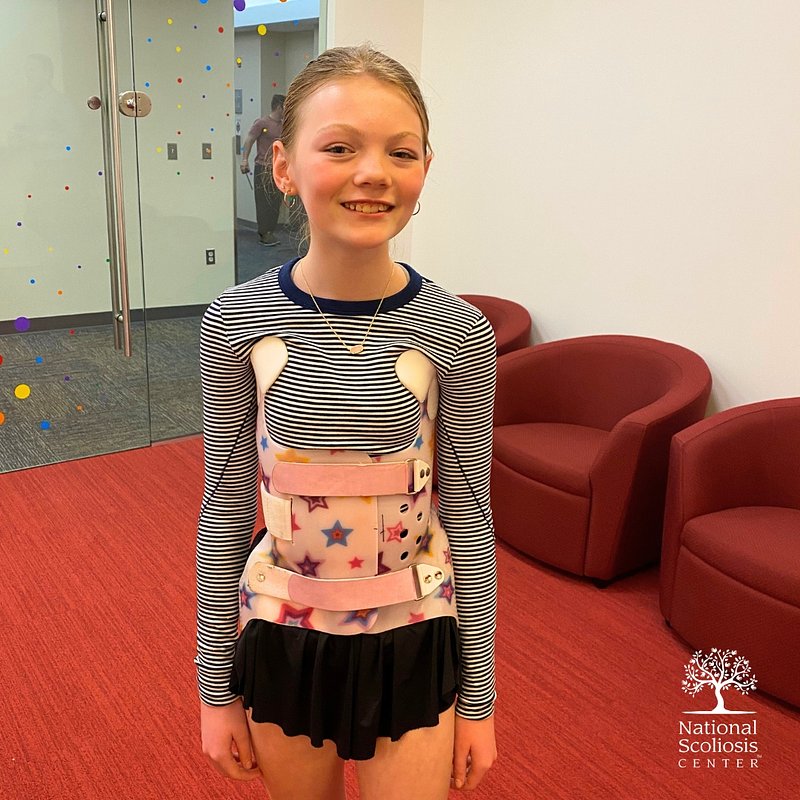
Beyond Halting the Curve: How 3D Bracing Is Redefining Scoliosis Treatment
FAIRFAX, VA – June 17, 2026 – For decades, the standard approach to non-surgical scoliosis treatment has been a defensive one: hold the line. Bracing was primarily seen as a tool to prevent a spinal curve from getting worse, a way to buy time and hopefully avoid the operating room. But new research is challenging this long-held paradigm, suggesting that modern technology can move beyond mere prevention to achieve active correction.
Findings presented at the 2026 International Society on Scoliosis Orthopaedic and Rehabilitation Treatment (SOSORT) Congress in Italy are providing compelling evidence that a combination of custom 3D-printed braces and meticulous patient management can harness a child’s own growth to progressively improve spinal alignment. This development, championed by specialists at the National Scoliosis Center, represents a significant leap forward, transforming a passive intervention into a dynamic, corrective therapy and offering newfound hope to thousands of families navigating a scoliosis diagnosis.
A Paradigm Shift in Spinal Correction
Historically, the success of a scoliosis brace was measured by its ability to stop curve progression. The new study from the National Scoliosis Center, titled "Optimizing TLSO Bracing: Growth Modulation is Achievable in AIS and EOS Regardless of Etiology," reframes that goal entirely. The research, which followed 267 patients, demonstrated that meaningful curve improvement is possible during a patient’s growth years, regardless of the initial diagnosis.
The key, researchers found, is a two-pronged approach: a superior tool and a rigorous process. The study emphasizes that while a patient's age and diagnosis are factors, treatment success is heavily influenced by the quality of the brace and the consistency of the clinical management. This shifts the focus from a patient’s diagnosis to the caliber of their treatment.
"Our findings reinforce that excellent brace management—including more frequent follow-ups and shorter intervals between checks—provides the highest odds of success," stated Dr. Sabrina Donzelli, Director of Research at National Scoliosis Center and a co-author of the study. This concept of "growth modulation" is central to the breakthrough. Instead of simply caging the spine, the brace actively guides it, using the natural forces of a child’s growth spurts to encourage a straighter alignment.
While the research was presented at the highly respected SOSORT congress, a hub for non-operative scoliosis treatment experts, the full study is not yet published in a peer-reviewed journal. However, its preliminary findings align with a growing consensus among specialists that the potential of bracing has been historically underestimated. As one independent pediatric orthopedist noted, the combination of next-generation braces and dedicated physical therapy is yielding "real progress" that was considered unlikely just a decade ago.
The Technology Behind the Turnaround
The engine driving this shift is advanced 3D bracing technology, specifically the Rigo Cheneau-style Thoracolumbosacral Orthosis (TLSO) brace. Unlike older, more symmetrical models that often compressed the rib cage, these modern braces are highly customized and asymmetrical. The process begins with a precise 3D scan of the patient's torso, creating a digital model that serves as the blueprint for the brace. This allows for a fit that is accurate to the millimeter.
The design itself is a feat of biomechanical engineering. It applies a three-point pressure system to gently push the spine away from the curve, while incorporating strategic voids or expansion areas on the opposite side. This allows the body to de-rotate and move into the corrected position, effectively using the brace as a corrective mold rather than a restrictive shell. This technology has transformed the market, which is projected to grow from approximately $3.4 billion in 2026 to over $5 billion by 2036, largely driven by the demand for effective, non-invasive solutions.
"Our goal has always been to push the standard of care forward," said Luke Stikeleather, Founder and Chief Orthotist at National Scoliosis Center, who was instrumental in bringing the Rigo Cheneau brace to North America. "Sharing this research at SOSORT validates what we've seen clinically for years—that high-quality custom bracing, combined with close patient management, can do far more than simply hold a curve."
This integrated approach is critical. The National Scoliosis Center, for instance, combines its bracing protocol with low-dose imaging and collaboration with Schroth Physical Therapists, who teach patients specific exercises to strengthen core muscles and further de-rotate the spine. This creates a holistic system where the technology and the patient work in tandem.
Empowering Patients Through Active Management
For patients and their families, this evolution in treatment is life-changing. The announcement, strategically timed for National Scoliosis Awareness Month, underscores a powerful message: early detection and proactive treatment matter more than ever. With lighter summer clothing making physical asymmetries more apparent, parents are encouraged to look for signs like uneven shoulders, a prominent shoulder blade, or an unbalanced waistline.
Catching a curve early, while a child is still growing, opens a wider window for non-surgical correction. The improved comfort and lower-profile design of 3D braces also lead to better patient compliance—a critical factor for success, as braces must typically be worn full-time. One parent of a patient treated with the system described it as a "life-changing" intervention that helped their daughter avoid a previously recommended surgery.
Beyond the physical correction, this active approach empowers patients who once felt passive in their treatment. By participating in specialized physical therapy and seeing tangible improvements in their spinal alignment, they become partners in their own care. This sense of agency can have a profound psychological impact, transforming the journey from one of anxious waiting to one of hopeful progress.
The Broader Impact and Future Outlook
The findings from the National Scoliosis Center are part of a larger wave of innovation reshaping the scoliosis management industry. The convergence of 3D printing, advanced imaging, and data-driven protocols is setting a new standard of care. This trend is pushing the entire field toward more personalized and effective non-operative solutions, reducing reliance on invasive spinal fusion surgery.
Looking ahead, the integration of AI-powered digital assessments and remote monitoring sensors into bracing systems promises to further enhance treatment. These technologies could provide real-time feedback on brace wear and posture, allowing for continuous adjustments and even greater collaboration between clinicians and patients. Furthermore, the ongoing development of consensus-based research guidelines, a project in which Dr. Donzelli is also deeply involved, signals a commitment across the industry to standardize these advanced protocols and ensure the highest quality of care for all patients.
As these technologies mature, the future of scoliosis treatment appears increasingly less surgical, more personalized, and fundamentally more optimistic, turning what was once a defensive battle into a winnable campaign for spinal health.