
- 7% higher sale price: Homes with high curb appeal can sell for up to 7% more.
- 88% ROI: Fiber cement siding replacement recoups over 88% of its cost upon resale (2023 Cost vs. Value Report).
- 70-80% typical ROI: General analyses place siding project ROIs between 70% and 80%.
Experts agree that new siding offers strong financial returns through increased home value, energy efficiency, and durability, but emphasize the critical role of professional installation in realizing these benefits.
Beyond Curb Appeal: Siding, Value, and the Ethics of Expert Advice
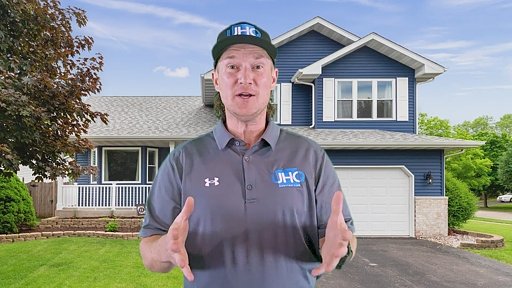
CARMEL, Ind. – June 29, 2026 – For millions of homeowners, a house is more than a home; it is the single largest asset they will ever own, a cornerstone of personal wealth and community stability. The decision to undertake a major renovation, such as replacing siding, is therefore fraught with financial anxiety and a flood of questions. Is it worth it? What is the real return on investment? A recent press release from media platform HelloNation, featuring insights from local contractor Cory Getz of UHQ Construction, aims to answer precisely that, detailing how new siding adds value through curb appeal, energy efficiency, and durability.
But in an era where information is abundant and often commercially sponsored, the simple question of a home improvement project’s value opens a door to a much larger inquiry. It forces us to examine not just the materials we clad our homes in, but the systems we use to make these critical decisions. The intersection of expert advice, corporate marketing, and consumer trust is a landscape as complex as any construction project, and navigating it successfully is fundamental to building a future where our communities—and the homes that comprise them—can truly thrive.
The Tangible Returns on a New Exterior
At first glance, the financial case for new siding is compelling. The immediate visual transformation—the boost in curb appeal—is a powerful motivator. Independent research confirms this intuition, suggesting that homes with high curb appeal can sell for as much as 7% more than similar homes in the same neighborhood. A fresh, modern exterior not only attracts more potential buyers but can also reduce the time a property spends on the market, a significant advantage in any economic climate.
Beyond aesthetics, the return on investment (ROI) figures are encouraging. The 2023 Cost vs. Value Report from Remodeling magazine, a trusted industry benchmark, indicates that a fiber cement siding replacement can recoup over 88% of its cost upon resale. While figures vary by material and region, general analyses consistently place the ROI for siding projects between 70% and 80%. This makes it one of the most financially sound exterior renovations a homeowner can undertake.
The value proposition extends beyond the point of sale. As the HelloNation article notes, energy efficiency is a key benefit. Modern siding, particularly insulated vinyl or fiber cement paired with proper house wrap, can significantly improve a home's thermal performance. This translates into lower heating and cooling bills month after month—a tangible return that homeowners feel long before they ever plant a 'For Sale' sign in the yard. In an age of rising energy costs and growing environmental awareness, these long-term savings represent a crucial component of a home's overall value and a homeowner's financial well-being.
The Unseen Foundation: Why Installation is Everything
While materials and market trends provide the data points for ROI calculations, contractors like Cory Getz emphasize a factor that is harder to quantify but infinitely more critical: the quality of the installation. A home's siding is its first line of defense against the elements. When installed correctly, it is a seamless shield against moisture, pests, and temperature extremes. When installed poorly, it can become a conduit for disaster.
“Proper installation ensures that siding protects the home from moisture, prevents structural damage, and supports energy efficiency,” the HelloNation release states, summarizing the expert view. This seemingly simple statement belies a world of technical precision. Improperly sealed joints can lead to water intrusion, fostering hidden mold and rotting the home’s underlying structure. Siding that is nailed too tightly without room for thermal expansion and contraction can warp, buckle, and crack, voiding manufacturer warranties and leaving the home vulnerable.
This is where corporate responsibility and professional standards become paramount. Companies like UHQ Construction build their reputation on credentials such as being a James Hardie Elite Preferred Contractor, which signifies adherence to rigorous manufacturer training and installation protocols. For a homeowner, such certifications act as a vital trust signal, an external validation that the contractor is committed to a standard of excellence. The most expensive, durable siding material in the world will fail without the craftsmanship to back it up, turning a valuable asset into a costly liability. The true value, then, is not just in the product, but in the system of professional expertise and accountability that ensures it performs as promised.
Navigating the 'Edvertising' Landscape
HelloNation’s approach to content is self-described as “edvertising,” an innovative blend of educational articles and expert-driven storytelling. This model, a form of native advertising, is reshaping how consumers receive information across countless industries, from home improvement to my own background in healthcare. It offers genuine benefits, providing the public with access to in-depth, practical advice from seasoned professionals like Getz, content that is often more useful than a traditional 30-second ad.
However, this model requires a new level of literacy from consumers. When the line between unbiased editorial and sponsored promotion blurs, it becomes challenging to assess the information critically. The 'expert' is presented as a trusted guide, but they are also part of a marketing strategy. This is not inherently unethical, but it demands transparency. Without clear disclosure, the foundation of trust—so essential in both journalism and business—begins to erode.
The challenge for platforms that use this model is to maintain a balance, ensuring their educational mission doesn’t become secondary to their commercial goals. For consumers, the challenge is to learn how to engage with this content effectively. It means treating an 'edvertising' piece not as a final destination, but as a well-signposted starting point for their own research. It’s an invitation to dig deeper, ask more questions, and seek a second opinion—the same prudent steps one would take when receiving any significant advice, be it financial, medical, or, in this case, structural.
Making an Informed Choice in a Complex System
Ultimately, a homeowner's decision to invest in new siding is a microcosm of navigating modern life. We are surrounded by data, expert opinions, and sophisticated marketing, all vying for our trust and our dollars. The path to a wise decision is not to reject sponsored content outright, but to integrate it into a broader, more critical process.
Use the insights from an expert like Cory Getz to formulate your questions, then seek answers from multiple sources. Verify a contractor's credentials through third parties like the Better Business Bureau and industry certification programs. Cross-reference the ROI claims with independent data from sources like the Cost vs. Value Report. Consider your specific context: the climate in your region, which dictates material durability, and the architectural vernacular of your neighborhood, which influences curb appeal.
By taking these steps, a homeowner moves from being a passive consumer of information to an active, empowered decision-maker. The goal is not just to add value to a house, but to build confidence in the systems that support our homes and communities. A well-protected, energy-efficient home is a worthy goal, but the capacity to make that happen through critical thinking and diligent research is the most valuable asset of all.