
- 22 grams of protein per serving in Banza's new Wheat Protein Pasta, setting a new benchmark in the high-protein pasta category. - 60% of global consumers are actively trying to increase their protein intake (Innova Market Insights 2026). - 85% of Americans are concerned about pesticides in their food (Consumer Reports).
Experts would likely conclude that Banza's strategic pivot to wheat-based pasta, while maintaining its gluten-free integrity, positions the brand to dominate both mainstream and health-conscious pasta markets by leveraging superior protein content and consumer trust in transparency.
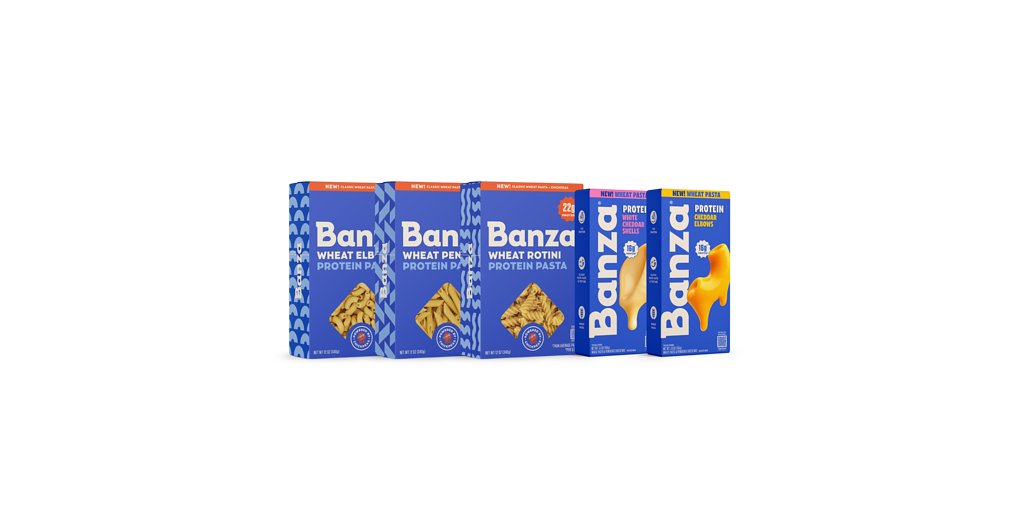
Banza Bets on Wheat, Blending Chickpeas into the Mainstream Pasta Aisle
NEW YORK, NY – April 01, 2026 – Banza, the company that turned chickpeas into a household pasta alternative, is making its most significant strategic move since its 2014 debut. Today, the brand launches its first-ever wheat-based product line, Banza Wheat Protein Pasta and Mac & Cheese. By blending traditional semolina wheat with its signature chickpeas, Banza is betting it can win over the mainstream pasta aisle without alienating its gluten-free fanbase.
A Strategic Pivot to the Mainstream Aisle
This launch marks a deliberate pivot for a brand built on a gluten-free foundation. Since introducing the first chickpea pasta to the U.S. market, Banza has become the top-selling "better-for-you" pasta company. However, this new venture signals an ambition that extends beyond the gluten-free category. The company is now targeting the vast market of conventional pasta eaters who seek better nutrition but have been unwilling to compromise on the taste and texture of traditional wheat pasta.
The timing aligns perfectly with major consumer trends. According to Innova Market Insights, "Powerhouse Protein" is a top food and beverage trend for 2026, with studies showing nearly 60% of global consumers are actively trying to increase their protein intake. Banza is tapping into this by offering a familiar comfort food with a significant nutritional upgrade.
"We started Banza to inspire people to eat more chickpeas, and this launch is about finding new ways to do exactly that," said Brian Rudolph, CEO and co-founder of Banza, in a statement. "There are millions of consumers who want better nutrition but aren't willing to compromise on the taste and texture of wheat pasta. This product is for them."
Redefining the Nutritional Profile of Pasta
The core of Banza's new offering is its impressive nutritional label. The Wheat Protein Pasta boasts 22 grams of protein and 7 grams of fiber per serving, while the Mac & Cheese varieties deliver 16 grams of protein and 4 grams of fiber. These figures position the product as a leader in the burgeoning high-protein pasta space.
For context, Banza's new pasta significantly outpaces many established competitors. Barilla's popular Protein+ line offers around 10 grams of protein per 2oz serving. Other premium brands like De Cecco and Garofalo offer high-protein versions with approximately 17g and 19g of protein per serving, respectively. By hitting the 22-gram mark, Banza has set a new benchmark, aiming to deliver a "no compromises" option that marries the classic wheat pasta experience with the protein content of a specialized health food. The new line will be available in classic shapes like Rotini, Penne, and Elbows, ensuring it can be easily swapped into family-favorite recipes.
Building Trust Across the Gluten Divide
Introducing a wheat product presents a unique challenge for a brand beloved by the gluten-free community. Banza has addressed this head-on with transparent communication and a critical operational safeguard. CEO Brian Rudolph, who is gluten-free himself, directly acknowledged the potential concerns of his original customer base.
"I'm gluten-free myself, so I understand the importance of trust when it comes to what's on the label," Rudolph stated. "Our new wheat products are produced in a dedicated, separate facility from our gluten-free lines, and our commitment to delivering the best, safest gluten-free pasta remains at the core of what we do."
This separation is not just a marketing promise but a significant logistical and financial investment. By maintaining entirely separate production facilities, the company ensures there is no risk of cross-contamination, allowing it to preserve the integrity and safety of its certified gluten-free products. This dual-path strategy allows the company to, as it says, "expand the tent, not shift it," catering to both wheat-eaters and the gluten-free community simultaneously.
Transparency Through Certification and Technology
Reinforcing its commitment to ingredient quality, Banza has ensured its new wheat line, like its existing products, is CleanScan Certified by The Detox Project. This certification provides a powerful layer of assurance for health-conscious consumers. It verifies that the products were tested by an accredited, third-party lab for over 400 pesticides, including the widely discussed herbicide glyphosate, and showed non-detectable levels.
This level of transparency resonates deeply with modern shoppers. Recent surveys from organizations like Consumer Reports have shown that a vast majority of Americans—up to 85%—are concerned about pesticides in their food. The CleanScan certification directly addresses this concern by providing verifiable proof of purity. Banza takes this a step further by including a QR code on its packaging. Consumers can scan the code to instantly access the full lab test results for their specific product, creating a new standard of accountability in the pantry aisle.
A Modern, Multi-Channel Launch
Banza is deploying a sophisticated, two-pronged launch strategy to maximize reach and build momentum. The new wheat protein line made its exclusive debut on TikTok Shop on April 1, a move designed to capture the attention of a younger, digitally savvy audience where food trends are born and amplified. This social-first launch allows the brand to generate organic buzz and user-generated content before the products even hit physical shelves.
Following the digital premiere, the pasta and mac & cheese will roll out nationwide throughout April to a formidable list of major grocery retailers, including Kroger, Publix, Sprouts, Target, Walmart, and Whole Foods Market. This rapid, widespread distribution ensures the products will be easily accessible to consumers across the country, moving quickly from online trend to pantry staple. This dual strategy leverages the power of social commerce while capitalizing on the scale of traditional retail, positioning the launch for immediate impact and broad consumer adoption.