
- $10,000–$150,000 per hour: Cost of an Aircraft-on-Ground (AOG) event, depending on aircraft and route.
- 3,100 clients worldwide: AvAir's global customer base.
- 6 consecutive years: AvAir named 'Parts Supplier of the Year' by Airline Economics.
Experts would likely conclude that AvAir's strategic expansion in Dallas is a critical move to reduce aircraft downtime costs and strengthen its position as a leader in aviation aftermarket logistics, combining speed, sustainability, and strategic location advantages.
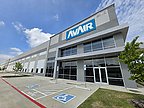
AvAir's Dallas Gambit: Speed as Strategy in Aviation's High-Stakes Game
GRAPEVINE, TX – June 08, 2026 – On the surface, the announcement of a new 45,000-square-foot warehouse is a standard piece of corporate news. But when that warehouse belongs to AvAir, a global leader in aviation aftermarket parts, and its location is strategically planted next to the Dallas-Fort Worth International Airport (DFW), it’s not just a real estate transaction. It’s a decisive move in the high-stakes, time-sensitive game of global aviation logistics, revealing a clear strategy for how lasting value is built in an industry where every minute counts.
The Billion-Dollar Problem of Waiting
To understand the significance of AvAir’s Texas expansion, one must first appreciate the crippling cost of an Aircraft-on-Ground (AOG) situation. When a plane is grounded due to a missing or malfunctioning part, a logistical fire drill ensues, and the financial clock starts ticking at an alarming rate. Industry analyses place the cost of a single AOG event anywhere from $10,000 to a staggering $150,000 per hour, depending on the aircraft and route. Annually, these delays cost the airline industry billions of dollars in lost revenue, passenger compensation, and operational chaos.
This is the problem AvAir is built to solve. The company’s entire model is predicated on having the right part available and delivering it with maximum velocity. The new Dallas facility is a direct strategic response to this core industry pain point. "Our customers rely on us to deliver the right inventory solutions quickly and efficiently," said Tyler Botthof, COO of AvAir, in a recent statement. This isn't corporate jargon; it's a mission statement in a sector where speed is the ultimate currency. By positioning a massive inventory at the heart of a major logistics hub, the Arizona-based supplier is effectively shrinking the map, turning what could be a day-long wait for a part into a matter of hours. For an airline staring down a six-figure loss for a grounded wide-body jet, this reduction in downtime is not a marginal improvement—it's a critical lifeline.
The DFW Advantage: A Nexus of Global Commerce
Choosing Grapevine, Texas, was no accident. The Dallas-Fort Worth Metroplex is one of North America's most formidable logistics and aerospace ecosystems. DFW Airport consistently ranks as one of the busiest cargo airports in the world, acting as a central artery for goods flowing across the country and the globe. For AvAir, which serves 3,100 clients worldwide, this location is a force multiplier.
The new facility complements the company's existing operations in Chandler, Arizona, and Dublin, Ireland, creating a strategic triangle of distribution hubs. This network architecture enhances inventory availability and builds resilience into the supply chain, a lesson learned and relearned across industries in recent years. By placing critical inventory at a central U.S. node with unparalleled air and ground connectivity, AvAir can provide faster delivery not just to its domestic clients but also to its international partners. The move strengthens the DFW region's standing as a premier destination for aerospace and logistics companies, creating a symbiotic relationship where the hub's infrastructure amplifies AvAir’s efficiency, and AvAir’s presence adds another high-value spoke to the hub itself.
Powering Growth with People and Expertise
This expansion is the latest chapter in a consistent story of growth for the 26-year-old company. Having celebrated its 25th anniversary last year, AvAir has been named "Parts Supplier of the Year" by Airline Economics for an unprecedented six consecutive years—a testament to its dominant position in the market. This isn't just about having parts; it's about having the right strategy and the right people.
The company is strategically deploying seasoned leadership to ensure the Dallas facility's success. Brian Longmeyer, a 30-year industry veteran and Vice President of Sales for Powerplants, is relocating to Dallas to serve as the facility's General Manager. This move signals a deep commitment to the new operation, putting experienced leadership on the ground to drive regional growth and ensure seamless execution. Simultaneously, the promotion of Kevin Lenz to Executive Vice President, Powerplants, back in Chandler, underscores the critical importance of the engine—or "powerplant"—segment. Engines are the most complex and valuable components on an aircraft, and strengthening leadership in this area is crucial for navigating supply chain complexities and maintaining a competitive edge. These personnel changes are not ancillary details; they are the human capital investments that power the strategic expansion.
A Strategy for a Sustainable Future
In the 2026 landscape, growth cannot be divorced from responsibility. AvAir’s strategy demonstrates an understanding of this modern imperative. The company is not only expanding its physical footprint but also deepening its commitment to sustainability. It has earned a 'Climate Neutral Certified' status by measuring, offsetting, and creating plans to reduce its carbon footprint. This, along with an Environmental Sustainability award from Airline Economics, positions the supplier as a forward-thinking leader in an industry often criticized for its environmental impact.
By focusing on the aftermarket—buying, selling, and leasing used serviceable material—the company’s core business model is inherently sustainable, promoting a circular economy that extends the life of valuable aircraft components and reduces waste. This focus on sustainability is more than just good public relations; it's a strategy for long-term value creation. As airlines and OEMs face increasing pressure to improve their environmental performance, having partners who are aligned with those goals becomes a significant competitive advantage. AvAir's investment in both logistical efficiency and environmental stewardship shows a nuanced understanding of what it takes to build a company that is not just profitable, but durable.