
- $624 million: Estimated revenue of Australia's Health and Wellness Spas industry in 2025
- Quality over quantity: Demand for premium European saunas surges as consumers prioritize durability and health benefits
- Educated buyers: 70% of consumers now research material certifications, construction methods, and long-term warranties before purchasing
Experts agree that Australia's sauna market is maturing, with a clear shift towards high-quality, evidence-based wellness products that prioritize long-term health benefits over short-term cost savings.
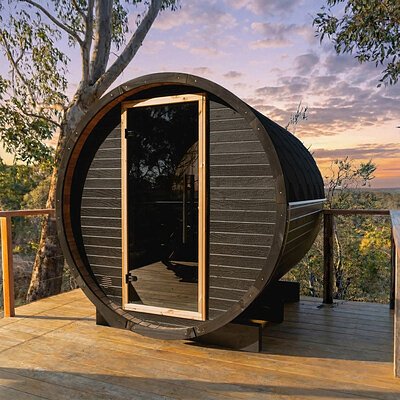
Australia's Sauna Boom: Quality Heats Up the Wellness Market
SYDNEY, NSW – December 30, 2025 – A powerful shift is underway in Australia's burgeoning wellness landscape. As consumers increasingly prioritize long-term health, the demand for personal saunas has surged across both residential and commercial sectors. But this isn't just a rush for any hot box; it's a calculated move towards quality, durability, and verifiable health benefits, signaling a market that is rapidly maturing and leaving cheap, mass-produced imports out in the cold.
Fueled by a growing body of scientific evidence supporting the benefits of heat therapy, Australians are integrating saunas into their homes and businesses not as mere luxury items, but as essential tools for a preventative health strategy. This trend, observed by industry leaders and market analysts, reflects a deeper cultural shift where investing in personal well-being is seen as a necessity, not an indulgence.
The New Wave of Wellness Investment
The sauna's journey from a niche product to a mainstream wellness staple is part of a broader trend. The Australian Health and Wellness Spas industry, which reached an estimated revenue of $624 million in 2025, is thriving on a consumer base that is more health-conscious than ever. This is particularly true for younger generations, who are allocating more of their disposable income towards services and products that support physical and mental well-being.
This investment is increasingly evidence-based. Consumers are drawn to the scientifically-backed benefits of regular sauna use, which include improved cardiovascular function, stress reduction, and enhanced muscle recovery. Studies have shown that the physiological effects of a sauna session can mimic moderate exercise, increasing heart rate and blood flow, which may contribute to a lower risk of cardiovascular disease. The intense heat also promotes relaxation and can aid in pain relief for chronic conditions, making it a powerful tool for holistic health management.
This pivot towards preventative care is significant in a country where per-capita spending on preventative health has historically lagged behind other developed nations. The consumer-led charge towards tools like high-quality saunas suggests a grassroots movement to take personal health into one's own hands, creating a robust market for products that deliver tangible, long-term outcomes.
A Market Divided: Quality vs. Quantity
As demand has accelerated, Australia's sauna market has fractured into two distinct segments: low-cost, mass-produced imports and premium, European-made systems. According to SDS Australia, a leading retailer specializing in high-end saunas, this division has become the central story of the market's evolution.
"The increase in demand has been significant, but what's more notable is how much more informed buyers have become," said Michael Doubinski, CEO of SDS Australia. "Customers are no longer just asking what a sauna looks like. They want to understand how it's built, how consistently it performs, and whether it's designed to support regular, long-term use as part of a genuine health routine."
The influx of factory-produced saunas, often designed for speed and scale, has introduced challenges. These units frequently rely on thinner timbers, which compromise insulation and durability, and adhesive-based construction. When heated, these chemical binders can release volatile organic compounds (VOCs), impacting air quality and posing potential health risks—a direct contradiction to the wellness goals of the user. These models can struggle to deliver consistent thermal performance, especially when faced with Australia's varied and sometimes harsh climate conditions.
In stark contrast, European manufacturing, particularly from Nordic and Baltic regions with generations of sauna expertise, sets the global benchmark. These premium systems are defined by their use of solid, architectural-grade timbers like Canadian Hemlock or Red Cedar, which are naturally durable and non-toxic. They employ chemical-free thermal modification processes and precision-engineered heaters, ensuring longevity, safety, and reliable performance. This commitment to material integrity and craftsmanship is what discerning buyers are now actively seeking.
Buyer Beware: The Rise of the Educated Consumer
The modern sauna buyer is a researcher. Armed with information from health experts, product reviews, and industry reports, they are asking tougher questions and demanding greater transparency. Instead of focusing solely on the initial price tag, purchasing decisions are now being dictated by factors like country of origin, material certifications, construction methods, and long-term warranties.
This shift has empowered consumers and is forcing a change across the industry. Retailers can no longer compete on price alone. Companies that prioritize transparency and can substantiate their quality claims are gaining a significant competitive edge. In response to this maturing demand, some retailers, like SDS Australia, have made a strategic decision to align exclusively with high-end European manufacturers, betting that engineering integrity will win out over short-term cost savings.
The competitive landscape is diverse, with numerous companies catering to this educated market. Some specialize in traditional Finnish saunas, others in advanced low-EMF infrared technology, but the common thread is a focus on quality construction and customer education. This environment fosters innovation and holds the entire industry to a higher standard.
Redefining Australian Living Spaces
The integration of saunas is also reshaping Australian architecture and design. No longer relegated to a forgotten corner of the backyard, saunas are now featured elements in architectural builds, luxury homes, high-end hospitality venues, and dedicated wellness spaces. They are often paired with other recovery tools, like ice baths, as part of a comprehensive contrast therapy circuit, reflecting a more holistic approach to well-being.
As the Australian sauna market continues its expansion, analysts predict that this next phase of growth will be driven less by sheer volume and more by informed choice. The conversation has fundamentally changed from 'if' one should get a sauna to 'which' one, and why. This evolution underscores a sophisticated wellness market where construction quality, material purity, and long-term performance are now central to the definition of value.